- Secrets of the Forest Floor: Discovering Rhinella teotoniensis, Brazil's Hidden Toad Jewel
- Taxonomy and Classification: Placing Rhinella teotoniensis Within the Amphibian World
- Natural Habitat: Tropical Richness on the Forest Floor
- Physical Characteristics: Subtle Elegance and Ingenious Camouflage
- Behavior and Life Cycle: Secrets of Survival in the Shadows
- Ecological Role: The Subtle Glue of a Delicate Web
- Threats and Conservation Status: A Small Amphibian Facing Giant Challenges
- Cultural and Scientific Significance: Valuing Hidden Treasures
- Conclusion: Preserving Quiet Wonders for Future Generations
Secrets of the Forest Floor: Discovering Rhinella teotoniensis, Brazil’s Hidden Toad Jewel#
In the lush lowland forests of northeastern Brazil lies a unique amphibian with a fascinating life story. Cloaked quietly in leaf litter and hidden beneath tangled roots and palm fronds, the small yet intriguing toad Rhinella teotoniensis thrives out of sight from all but the most observant adventurers. Named scientifically as Rhinella teotoniensis, this charming little amphibian embodies nature’s subtle magic—a creature exquisitely adapted to its environment yet facing environmental pressures unseen by many.
While it may lack the loud splash of color seen in badge-wearing poison dart frogs or the commanding croak of iconic bullfrogs, Rhinella teotoniensis makes its quiet presence felt within its complex ecosystem. Subtle yet essential, this species is an ambassador for the myriad secretive creatures upon whom entire ecosystems depend. Delving deeper into the world of Rhinella teotoniensis offers a remarkable journey that reveals astonishing adaptations, critical ecological roles, and urgent conservation issues we must not ignore.
Taxonomy and Classification: Placing Rhinella teotoniensis Within the Amphibian World#
Rhinella teotoniensis belongs to the diverse and widespread family known as Bufonidae, which includes the familiar “true toads.” Within this large toad family, the genus Rhinella boasts an impressive variety of species that populate an array of South and Central American habitats.
Officially described by Matsui, Utsunomiya, and others in 2007, this relatively recent addition to the amphibian world underscores the fact that our understanding of the natural world continues to evolve. Rhinella teotoniensis belongs to a cluster of closely related species characterized by similar physical traits and ecological roles. Its nearest genetic relatives include Rhinella crucifer and Rhinella granulosa, among others—species that share some overlap in appearance and range but each uniquely matched to their specific habitats.
Natural Habitat: Tropical Richness on the Forest Floor#
Geographic Range and Distribution#
Rhinella teotoniensis has thus far been identified primarily in Brazil, with its known distribution limited to specific pockets within the Atlantic Forest biome—specifically within the state of Bahia. These areas, characterized by humid climates and lush vegetation, offer ideal conditions for this amphibian to nestle beneath thick ground cover. But the highly specialized habitat preferences of Rhinella teotoniensis contribute to both the species’ ecological brilliance and its vulnerability to habitat loss.
Habitat Preferences and Microhabitats#
This understated amphibian favors moist, shaded environments, often associated with dense leaf litter, moss-covered logs, and muddy streambeds. Rhinella teotoniensis exhibits exceptional adaptability to this cryptic lifestyle, thriving hidden from many potential predators that roam this biodiverse region—yet remaining fascinatingly intertwined with the delicate ecological fabric of the Atlantic Forest.
When rain showers drench these vibrant forests, the distinctive, gentle chorus of Rhinella teotoniensis emerges, joined harmoniously by an ensemble of nocturnal symphonic amphibians. Their quiet calls, rarely heard from afar, mark their territories and signal readiness for reproduction—highlighting their intricate evolutionary relationship with the weather patterns and subtle ecological parameters of their chosen habitat.
Physical Characteristics: Subtle Elegance and Ingenious Camouflage#
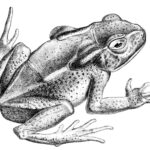
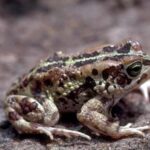
Resembling fallen leaves or stones more closely than our classic frog friends, Rhinella teotoniensis reveals the quiet elegance of evolution in muted earth tones and textures. Adults typically measure between 3 to 5 centimeters in length, making them notably modest among toads. This size is no disadvantage—rather, it enables these amphibians to slip seamlessly into narrow crevices and beneath debris on the forest floor.
Perhaps Rhinella teotoniensis’s most impressive physical trait is its cryptic coloration. Ranging from shades of mottled brown and gray to russet and even dark olive-green—paired with the occasional warty texture—the toad’s surface resembles damp clay, decaying vegetation, or lichen-covered bark. This precise natural camouflage protects the toad from predators like birds, snakes, and small mammals.
Adorned with short, robust legs adapted for steady, deliberate movements rather than extensive leaping, Rhinella teotoniensis depends heavily on staying unnoticed rather than escaping conflict at the last minute. Their skin often secretes mild defensive toxins, providing just enough discouragement for potential predators without displaying the vivid warning colors typical of highly toxic frog species.
Behavior and Life Cycle: Secrets of Survival in the Shadows#
Feeding Habits and Diet#
A quiet predator itself, Rhinella teotoniensis patiently waits within leaves or dark, damp spaces to ambush passing prey. Its meals primarily consist of small insects—ants, beetles, termites, small spiders, and occasionally tiny mollusks. By keeping these insect populations balanced, Rhinella teotoniensis quietly maintains ecological harmony, contributing to the broader health and stability of its forest home.
Breeding and Mating Rituals#
When seasonal rains refresh the Atlantic Forest, Rhinella teotoniensis begins its subtle, unseen ritual. Males make their way to shaded, still-water breeding pools tucked away beneath tree roots or within densely vegetated streambeds. There they produce delicate, repetitive mating calls, soft pulses designed to attract females while minimizing unwanted attention from predators.
Females deposit strings of gelatinous eggs beneath the protective veil of submerged vegetation. Within a short time, tadpoles emerge—vulnerable and tiny—but already proficient swimmers. Tadpoles rapidly mature, feeding on algae, organic matter, and microscopic organisms. Gradually, they undergo metamorphosis, developing limbs, lungs, and changing dietary needs until they, too, emerge onto land for a life in shadows, camouflaged against all but the most trained eyes.
Ecological Role: The Subtle Glue of a Delicate Web#
The importance of Rhinella teotoniensis may easily escape casual observation, but in truth, these creatures play a critical role in ecosystem balance. Amphibians like Rhinella teotoniensis function as bioindicators, sensitive to subtle environmental changes including water quality and climate shifts, signaling the health of their forested habitats long before troubling trends become evident in other animal groups.
Moreover, as both predators of insects and prey for various other forest inhabitants, Rhinella teotoniensis ensures nutrient cycling and stable energy flows that sustain biodiversity. Their presence maintains a delicate ecological balance—one that would profoundly shift should their numbers decline significantly.
Threats and Conservation Status: A Small Amphibian Facing Giant Challenges#
Like many amphibians, Rhinella teotoniensis grapples with several significant threats. Habitat destruction and fragmentation due to logging, agriculture, and expanding regional developments pose immediate risks. The Atlantic Forest, historically vast, is now reduced to fragmented patches of its original span, increasingly isolated and vulnerable.
Further exacerbating the situation is climate change, shifting rainfall patterns and temperatures, critically altering the delicate habitats Rhinella teotoniensis relies upon. While it is currently listed as Data Deficient by the International Union for Conservation of Nature (IUCN), biologists actively pursue detailed studies to better understand its distribution, population trends, and conservation needs. Protective measures such as habitat preservation and the management of invasive species and pollutants are critical in safeguarding its future.
Cultural and Scientific Significance: Valuing Hidden Treasures#
While Rhinella teotoniensis might not feature prominently in local folklore or cultural iconography, its scientific significance is considerable. Amphibians offer critical insights into environmental and ecological health, giving researchers clues about larger systemic challenges and opportunities in conservation.
Moreover, the toxins secreted by the skins of amphibians within the family Bufonidae have medical and scientific potential. Researchers worldwide continuously explore amphibian compounds for insights into beneficial medical applications—underscoring the untapped value every species may hold for humanity as we preserve their habitats and biodiversity.
Conclusion: Preserving Quiet Wonders for Future Generations#
The quiet wonder embodied by Rhinella teotoniensis serves as a potent reminder of nature’s hidden depth. It challenges us to take note of the unassuming, secretive species upon which our ecosystems rely heavily. By raising awareness, protecting habitats, and supporting conservation initiatives, we are safeguarding not only Rhinella teotoniensis but the vibrant tapestry of life interwoven beneath our feet.
Let Rhinella teotoniensis remind us of what we stand to lose—and what immense wonders we safeguard by committing ourselves to responsible stewardship of our natural world. After all, even the smallest gem of nature deserves our protection and respect.