Discovering Rhinella tacana: An Enigmatic Jewel of the Amazon Rainforest#
Nestled within the lush tapestry of the Amazon rainforest lies a unique amphibian whose story remains largely untold—the fascinating Rhinella tacana. This remarkable yet elusive toad species, classified scientifically as Rhinella tacana, embodies the captivating richness of the Amazon’s unparalleled biodiversity. While not as famous as poison dart frogs or flamboyant tree frogs, Rhinella tacana offers an intriguing glimpse into nature’s quieter yet equally mesmerizing creations.
Why, though, should we turn our attention toward this lesser-known amphibian? Rhinella tacana is not merely another toad hopping through humid foliage. It is a key indicator of environmental health, a vital link within its ecosystem, and a species whose very existence reflects the delicate balance of Amazonian life. This amphibian intrigues not just for its ecological importance but also for its cryptic beauty and enigmatic presence, rarely noticed by casual passersby yet treasured by naturalists and conservationists.
Taxonomy and Classification#
Understanding Rhinella tacana begins with taking a closer look into its classification. It belongs to the family Bufonidae—a wide-ranging and diverse family commonly known as the ‘true toads.’ Within this family, Rhinella comprises numerous species found primarily in Central and South America, each adapted uniquely to specific ecological niches.
The species Rhinella tacana was first described in scientific literature only relatively recently, highlighting how much remains undiscovered even in today’s increasingly detailed biological mapping. Closely related species, including Rhinella margaritifera and Rhinella marina, share similar traits yet exhibit clear distinctions in behavior, habitat preference, and biology. Scientists have speculated that R. tacana diverged from its closest relatives due to geographical isolation and specialized habitat adaptation, representing a fascinating case study in evolutionary biology.
Natural Habitat#
A Hidden Jewel Within the Amazonian Wilderness#
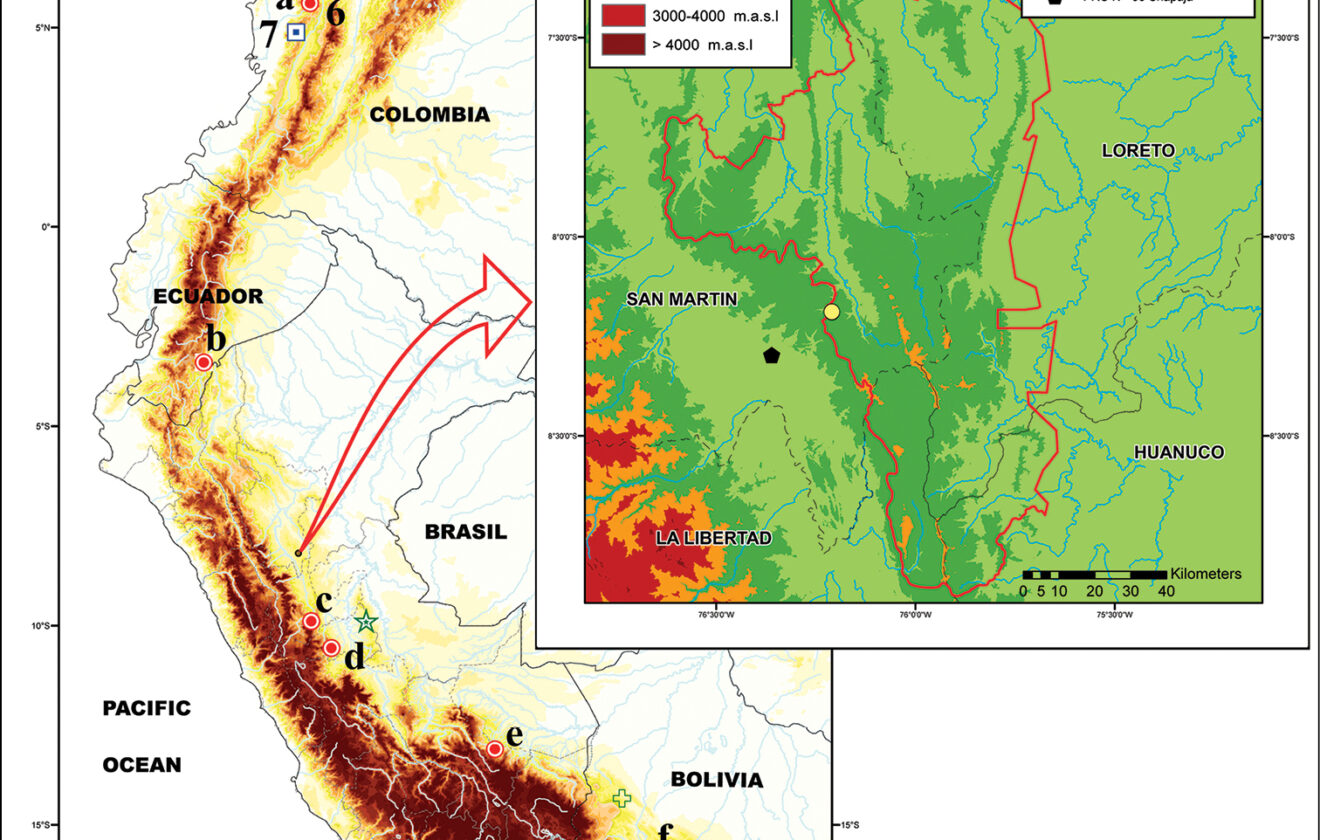
Rhinella tacana calls the biodiverse forests near the Andean foothills home, stretching primarily across western Brazil and areas within Peru and Bolivia. Named after the Tacana region, the geographic heart of this species’ distribution, Rhinella tacana thrives in verdant, densely vegetated habitats characterized by frequent rainfall, rich soil, and countless freshwater streams.
If one were to venture beneath the rainforest canopy, the landscape transforms into a tapestry of vibrant greens, lush moss, tangled roots, and rich leaf litter—a realm perfectly suited to the lifestyle of Rhinella tacana. Unlike many tree-dwelling frogs, this amphibian prefers the humid comfort of damp terrestrial habitats. It’s here, hidden among rotting logs, shaded ferns, and soft earth, that Rhinella tacana finds refuge from predators and a bounty of insects for food.
This species’ preference for relatively untouched habitats also underscores their pivotal role as indicators of environmental health. Their presence (or sudden absence) serves as a crucial signpost, guiding researchers and conservationists toward preserving fragile ecosystems facing increasing threats from deforestation and climate change.
Physical Characteristics#
A Master of Subtle Camouflage#
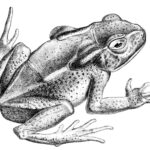
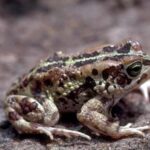
One might overlook Rhinella tacana at first glance, an adaptation fully intentional and highly advantageous. The toad exhibits coloring and textures that blend meticulously with its leaf-strewn surroundings. An adult Rhinella tacana typically measures between 45 and 65 millimeters, compact yet robustly built, with a skin surface textured by a mosaic of minute bumps and crevices that mimic forest floor debris.
Its coloration subtly mirrors the forest, an intricate palette of browns, tans, grays, and occasional flecks of deep earthy reds. Though lacking the bright warning colors of some of its poison dart cousins, Rhinella tacana’s understated hues expertly conceal it from predators such as birds, snakes, and other amphibian-eating species.
These physical attributes go beyond mere aesthetic adaptations. Rhinella tacana’s skin is highly permeable, finely tuned for absorbing water and essential nutrients from moist environments. Additionally, specialized glands on its skin secrete toxins when threatened—chemical defenses evolved to deter predators and give this otherwise vulnerable amphibian a crucial edge for survival.
Behavior and Life Cycle#
Lurking Patiently: The Life of Rhinella tacana#
Life among the leaf litter requires patience, stealth, and adaptability—all qualities perfectly embodied by Rhinella tacana. Typically nocturnal, this toad spends daylight hidden under logs, moist leaf piles, or shallow burrows. As twilight falls, a transformation occurs across the forest floor, and Rhinella tacana emerges cautiously from hiding, its large, expressive eyes soaking in the dim moonlight.
Its diet comprises primarily small invertebrates—ants, termites, beetles, millipedes, and other insects of the forest floor. With remarkable stealth and surprising speed, Rhinella tacana captures prey using quick, decisive movements. This stealthy hunting method is matched by its ambush tactics; unmoving amongst leaves, patiently awaiting unsuspecting prey to approach before striking swiftly and efficiently.
The Remarkable Journey from Egg to Toad#
The reproductive behavior of Rhinella tacana is equally captivating. Males congregate near water bodies during seasonal rains, initiating chorus calls to attract females. These enchanting symphonies echo throughout forest clearings and shallow pools, resonating into the nighttime canopy. Females lay long strings of gelatinous eggs, draped like delicate necklaces along submerged vegetation.
The eggs quickly hatch into dark-hued tadpoles, perfectly suited to their aquatic nursery. During their metamorphosis—arguably one of nature’s most extraordinary transformations—the tadpoles develop limbs, lungs, and distinctive terrestrial adaptations, readying themselves for life among the forest’s humid leaf litter. Within weeks, these miniature toads emerge onto the terrestrial landscape, a new generation blending seamlessly into the vibrant mosaic of Amazonian biodiversity.
Ecological Role#
An Integral Piece of the Amazonian Puzzle#
Despite their small stature and secretive habits, Rhinella tacana plays a pivotal ecological role. Numbered among essential predators of insect populations, Rhinella tacana helps maintain balanced ecosystems by controlling potentially harmful pests—ones that, if left unchecked, could significantly disrupt surrounding vegetation communities and food chains.
This species also holds a position of considerable importance within the prey hierarchy, providing sustenance for larger animals such as snakes and predatory birds. Furthermore, as amphibians, these toads are highly sensitive to environmental shifts, making them valuable bioindicators for monitoring ecological changes in the ecosystem.
Threats and Conservation Status#
The Fragility Behind the Camouflage#
Rhinella tacana, like many amphibians across the planet, confronts several significant threats. Habitat degradation due to logging, agricultural expansion, and mining activities severely impacts populations by fragmenting essential habitat corridors and reducing breeding sites. Climate change further compounds these threats by altering rainfall patterns, increasing temperatures, and challenging the delicate moisture balance necessary for amphibian survival.
Currently, Rhinella tacana is assessed by the International Union for Conservation of Nature (IUCN) as “Data Deficient,” reflecting the need for more detailed research regarding population numbers and trends. Conservationists emphasize the urgent importance of protecting vital habitats and supporting research initiatives that provide critical data for effective conservation strategies.
Cultural and Scientific Significance#
The Ongoing Quest for Knowledge and Conservation#
While Rhinella tacana holds no widespread cultural symbolism akin to more famous amphibians, it represents the broader story of Amazonian biodiversity conservation. Its subtle presence and understudied biology encapsulate ongoing scientific curiosity. Research teams emphasize the importance of continued biological inventories, as new amphibian discoveries frequently offer medical insights, novel therapeutic toxins, and crucial evolutionary data.
Conclusion#
Rhinella tacana teaches us valuable lessons—the subtleties of survival, the power of adaptation, and the compelling poetry found within scientific discovery. Each encounter reminds us how richer ecosystems are thanks to species as understated yet essential as Rhinella tacana. Protecting this fascinating amphibian involves safeguarding its habitat, raising awareness about environmental conservation, and ensuring future generations continue to uncover nature’s hidden wonders.
Take action: Explore and support reputable organizations striving to conserve biodiversity hotspots like the Amazon rainforest. Foster your curiosity about species like Rhinella tacana, for each species plays an undeniable part in the intricate web of life on our planet.