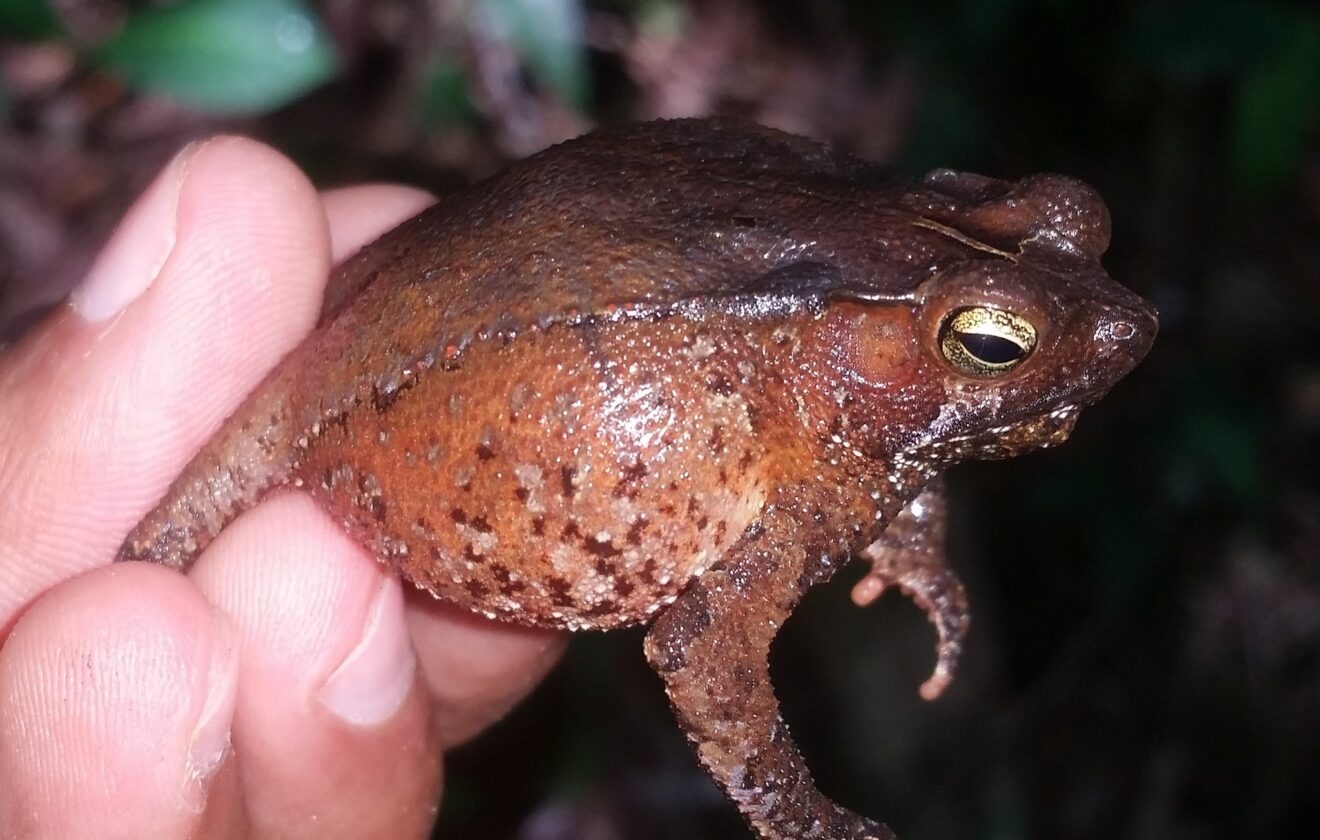
- Rhinella sternosignata: Unveiling the Secrets of a Lesser-Known Amazonian Treasure
- Taxonomy and Classification: Understanding Rhinella sternosignata's Place in Nature's Web
- Natural Habitat: A Life Awaiting Discovery amid Leaf Litter and Moisture
- Physical Characteristics: Subtle Beauty in Functional Form
- Behavior and Life Cycle: Quiet Lives Driven by Instinct and Harmony
- Ecological Role: Quiet Guardians of Rainforest Balance
- Threats and Conservation Status: Preserving Amazonia's Subtle Amphibian Ambassador
- Cultural and Scientific Significance: Contributions Beyond the Forest Floor
- Conclusion: Guardian of the Understory, Steward of Amazonian Biodiversity
Rhinella sternosignata: Unveiling the Secrets of a Lesser-Known Amazonian Treasure#
Deep within the lush embrace of the Amazon rainforest, hidden among tangled roots, damp leaf litter, and shadowy understory layers, lives an amphibian whose understated presence masks its ecological importance and unique biological adaptations. This enigmatic creature is the Rhinella sternosignata, a species of toad that thrives in the heartbeat of South America’s vibrant ecosystems. Though rarely making headlines or adorning wildlife documentaries, its story is one woven intimately into the fabric of the rainforest itself.
Affectionately known by naturalists for its unique star-shaped markings and understated charm, Rhinella sternosignata remains somewhat cryptic to broader audiences. Yet, beneath its humble appearance lies a complex narrative of adaptation, ecological balance, and fragile coexistence with an environment increasingly under threat.
Taxonomy and Classification: Understanding Rhinella sternosignata’s Place in Nature’s Web#
Rhinella sternosignata is part of the Bufonidae family—commonly known as true toads. Within this diverse family, the genus Rhinella stands out for its adaptive species, evolved to thrive across varied habitats ranging from dense rainforest floors to more arid, open environments. Formerly grouped under the genus Bufo, these amphibians were reassigned following recent molecular studies that shed fresh light on their evolutionary relationships.
This particular species, first described scientifically by Günther in 1858, possesses distinct morphological traits distinguishing it from related species, such as Rhinella marina, the infamous cane toad. Unlike its larger and more infamous cousin, R. sternosignata maintains a subtle yet crucial ecological role without the aggressive invasive tendencies characteristic of other species within the genus.
Natural Habitat: A Life Awaiting Discovery amid Leaf Litter and Moisture#
In the humid understory of the western and central Amazon basin, stretching across portions of Brazil, Peru, Ecuador, and Colombia, Rhinella sternosignata flourishes. Envision a realm where constant shade, perpetual moisture, and a carpet of layered leaf litter create the perfect haven for this remarkable amphibian. Beneath towering ceiba trees and among buttress roots that appear cathedral-like, these toads blend seamlessly with their surroundings.
Unlike frogs that cling to riverbanks or canopy dwellers that serenade from treetops, Rhinella sternosignata pursues a quiet, ground-bound existence. It spends the daylight hours hidden beneath leaf litter, logs, and the tangled understorey flora, emerging at night to forage cautiously, always aware of its surroundings. Moisture retention is critical to their survival; therefore, their habitats are typically intact, pristine rainforest locales where humidity hovers consistently high and disturbances remain minimal.
Physical Characteristics: Subtle Beauty in Functional Form#
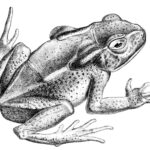
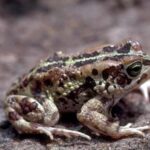
Though it might often evade notice at first glance, closer examination reveals the sophisticated beauty of Rhinella sternosignata. Adults typically measure around 5 to 7 centimeters from snout to vent, their skin textured with small to moderate wart-like projections typical of the Bufonidae. These warty bumps contribute to the creature’s incredible camouflage, allowing it to melt into the shadows and broken leaf matter that litter their forest floor homes. But it’s the coloration and unique markings of this species that offer an immediate allure—shades of brown, olive green, and muted gray blend harmoniously, accented occasionally by dark blotches or mottled patterns that resemble fallen leaves or bark.
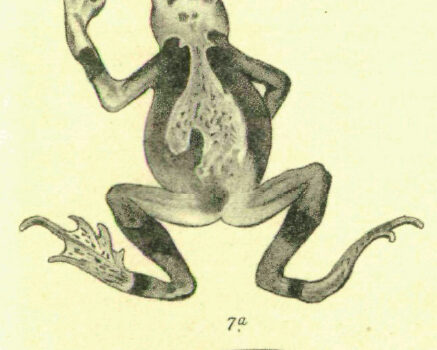
Perhaps the most distinctive identifier is the marking that lent sternosignata its name: a subtle yet unmistakable star-shaped pattern adorning its pectoral region. “Sternosignata,” literally meaning “marked on the chest,” clearly designates the distinctive marking scientists first noted in describing this species. Beyond aesthetic intrigue, this pattern likely serves adaptive purposes in mate selection or predator avoidance behaviors, though researchers still pursue deeper explanations.
Behavior and Life Cycle: Quiet Lives Driven by Instinct and Harmony#
Nocturnal Foragers of the Forest Floor#
As darkness settles over the Amazonian understory, Rhinella sternosignata begins its nightly journey. They emerge slowly, silently navigating their complex terrain—an orchestra of insects chirping in the background—keenly searching for diverse assortments of invertebrates. Ants, beetles, spiders, and even small mollusks enter their diet, each consumed using agile yet discreet movements. Their sensory capabilities, particularly keen eyesight tuned to low-light conditions and sensitive skin receptive to vibrations, aid them profoundly during these night-time quests.
Life Cycles Hidden Beneath Tropical Moisture#
When the rainy season arrives, humid conditions and temporary pools trigger reproductive activities. Male Rhinella sternosignata congregate around ephemeral water bodies—often small basins formed naturally by fallen trees or depressions on the forest floor—producing gentle, resonating mating calls that echo quietly through their forest home.
Females carefully choose suitable spawning sites, laying gelatinous strings of eggs in sheltered, temporary pools shielded from powerful currents or predators. This instinctive precision endows their offspring with protective buffers, maximizing the offspring’s chances for survival. Within weeks, small black tadpoles hatch, initially dependent exclusively upon algae and organic material found in their sheltered aquatic microhabitat, steadily transforming throughout metamorphosis until they eventually venture onto land to begin their terrestrial lives.
Ecological Role: Quiet Guardians of Rainforest Balance#
Though unassuming in appearance, Rhinella sternosignata occupies a significant ecological role. It acts primarily as both predator and prey within the rich tapestry of Amazonian biodiversity. Consuming a broad spectrum of insects and other arthropods, this species contributes significantly to controlling pest and invertebrate populations across forest floors. In turn, their presence influences nutrient cycling, promoting soil health and indirectly maintaining forest productivity vital for sustaining biodiversity.
Moreover, their position as prey is equally essential. A multitude of larger organisms—snakes, birds, and even small mammals—depend on these toads for sustenance, highlighting their critical intermediary position within ecological networks. Furthermore, amphibians like Rhinella sternosignata are often considered ecological indicators—species whose health can reflect overall ecosystem vitality or vulnerability.
Threats and Conservation Status: Preserving Amazonia’s Subtle Amphibian Ambassador#
Despite their ecological significance, the elusive status of Rhinella sternosignata conceals potential threats and population pressures. Habitat loss remains a pressing concern, driven by logging, agricultural expansion, mining exploration, and infrastructure development. Fragmentation and deforestation strip vital humidity-retaining vegetation cover, making habitats unsuitable for these moisture-dependent amphibians.
Climate change likewise introduces disturbing uncertainties; fluctuations in rainfall patterns or rising temperatures disrupt breeding cycles or diminish suitable habitat niches. Additionally, diseases like chytridiomycosis—a fungus devastating amphibian populations worldwide—could impact this species, though current studies on infection incidence remain scant.
Currently classified by the IUCN as Least Concern, their widespread distribution and abundance provide some ecological buffer. However, vigilance remains essential. Ongoing conservation efforts directed at protecting pristine habitats through sustainable forest management and conservation awareness enable the preservation of not just Rhinella sternosignata, but also countless species sharing their ecosystem.
Cultural and Scientific Significance: Contributions Beyond the Forest Floor#
To date, explicit cultural significance associated solely with Rhinella sternosignata remains minimal. Nevertheless, amphibians universally hold profound symbolic meanings for indigenous cultures inhabiting Amazonian regions. Beliefs recognizing amphibians as symbols of fertility, renewal, and indicators of environmental health permeate cultural narratives, contributing indirectly to perceptions surrounding Rhinella sternosignata and similar species.
Conclusion: Guardian of the Understory, Steward of Amazonian Biodiversity#
In contemplating Rhinella sternosignata, we unveil a captivating mosaic of ecology, behavior, delicate balances, exquisite complexity, and vulnerability. Despite modest appearances, this small amphibian plays an outsized role within one of Earth’s most remarkable ecosystems. Protecting Rhinella sternosignata means safeguarding the very fabric that holds the invaluable biodiversity of the Amazon together—reminding us all of our responsibility as caretakers of this irreplaceable natural heritage.
Let us commit to sharing their quiet story, supporting local and global conservation initiatives, and recognizing the unmatched value of even the quietest inhabitants of our vibrant, interconnected world.