- Introduction: Meet the Mysterious Rhinella rumbolli
- Taxonomy and Classification of Rhinella rumbolli
- The Natural Habitat of Rhinella rumbolli: A World of Rich Biodiversity
- Physical Characteristics: An Adaptation to Thrive
- The Remarkable Behavior and Intriguing Life Cycle of Rhinella rumbolli
- Rhinella rumbolli and Its Ecological Importance
- Threats Facing Rhinella rumbolli and Conservation Challenges
- Cultural Significance and Scientific Value
- Conclusion: Appreciating and Protecting Rhinella rumbolli
Introduction: Meet the Mysterious Rhinella rumbolli#
Hidden amidst forests in remote corners of South America, dwells a creature largely unnoticed by many yet immensely valuable to science and biodiversity. Rhinella rumbolli, commonly known as Rumboll’s Toad, is an intriguing amphibian whose quiet presence plays a significant ecological role in its native habitat. Endemic to a distinct region, this species bears a unique biological heritage that continues to fascinate naturalists, conservationists, and wildlife enthusiasts alike.
Named in honor of the notable Argentine biologist Mario Sergio Rumboll, Rhinella rumbolli belongs to the diverse Bufonidae family—a group encompassing the true toads recognized for their distinctive appearance and adaptive prowess. While toads are often overshadowed by more charismatic wildlife, the secrets that Rhinella rumbolli harbors—biological adaptations, interesting behaviors, and ecological importance—make it worthy of greater attention.
Taxonomy and Classification of Rhinella rumbolli#
Belonging to the kingdom Animalia, the phylum Chordata, Rhinella rumbolli resides within the class Amphibia—a group characterized by their fascinating life cycles bridging aquatic larval stages and terrestrial adults. As a member of the family Bufonidae, it shares common ancestry with numerous species, reflecting evolutionary adaptability and remarkable variation in habitats across the globe.
Within the genus Rhinella, Rumboll’s Toad shares close genetic ties with numerous other South American species, many of them uniquely adapted to diverse ecological niches. Detailed genetic studies reveal subtle yet significant distinctions setting Rhinella rumbolli apart, emphasizing the species’ uniqueness and supporting pursuits of targeted conservation actions.
The Natural Habitat of Rhinella rumbolli: A World of Rich Biodiversity#
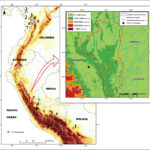
Rhinella rumbolli finds its refuge in select regions of Argentina and neighboring territories, most notably within subtropical forests and grasslands. Spacious, shaded, moisture-rich habitats provide the ideal conditions for its delicate skin and reproductive behaviors. Darkness of leafy undergrowth, moss-carpeted surfaces, and gentle streams fostering generous humidity define much of the species’ preferential habitats.
Within its chosen territories, Rumboll’s Toad demonstrates impressive adaptability, often seeking shelter beneath fallen logs, leaf litter, and rocky crevices. Such placements not only provide protection against predators but also a sustainable microclimate vital for their moisture-sensitive amphibian skin. Ecologists have noted how the presence of this toad frequently indicates a vibrant, healthy ecosystem.
Physical Characteristics: An Adaptation to Thrive#
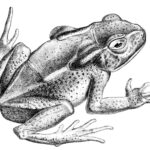
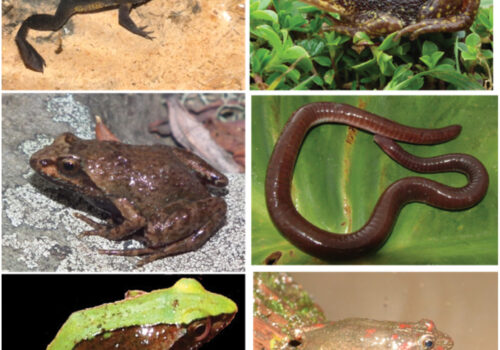
Visually distinct yet subtly camouflaged, Rhinella rumbolli is beautifully adapted to survive unseen within the complexities of its environment. An adult individual commonly reaches lengths ranging from 40 to 60 millimeters, thus classified as a medium-sized toad. Its robust and compact build, a hallmark of the Bufonidae family, serves the dual purpose of insulation and resilience.
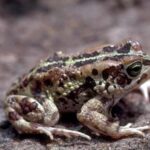
Skin coloration varies slightly among individuals, allowing them to blend effortlessly amid their surroundings. Shades of brown, olive, and gray tinctured with darker mottling facilitate concealment from visual predators—most effectively during daylight hours. Warty-textured skin offers excellent camouflage, mimicking the dappled pattern of leaf litter on a forest floor.
Behind the toad’s distinctive eyes, which are large and expressive, rest prominent parotoid glands. These organs secrete mild toxins and make Rumboll’s Toad less appetizing to predators. Though non-lethal to larger animals, this defense discourages casual predation attempts, providing a powerful deterrent strategy against smaller predators and inquisitive mammals.
The Remarkable Behavior and Intriguing Life Cycle of Rhinella rumbolli#
Diet and Hunting Techniques#
As dusk settles over the moist habitats it calls home, Rhinella rumbolli embarks upon nightly foraging adventures. Primarily insectivorous, it patiently awaits unsuspecting prey, ambushing beetles, ants, spiders, and various other arthropods. Each successful strike occurs rapidly, accompanied by an adhesive tongue perfectly evolved for snapping at quick-moving targets. The toad’s methodical hunting style strikingly illustrates its role as a natural regulator of insect populations.
Breeding and Developmental Journey#
With the onset of the rainy season, Rumboll’s Toad reveals yet another facet of its elaborate life story. Male individuals gather near temporary pools or slow-moving streams, vocalizing distinct chorus-like mating calls designed to attract prospective mates. These gentle yet resonant croaking melodies echo through the night, defining a chorus that fills the subtropical forest.
Following successful mating, female Rhinella rumbolli lay gelatinous strings of eggs amongst vegetation or directly into calm waters. Egg numbers may soar into hundreds or thousands, reflecting an evolutionary strategy emphasized on survival through sheer numbers. Within just days, tiny tadpoles emerge, initiating rapid developmental processes requiring extensive adaptations for survival in aquatic habitats.
During subsequent weeks, tadpoles meticulously go through significant morphological transformations, carefully adapting via metamorphosis from aquatic larvae dependent on phytoplankton and algae into terrestrial juveniles perfectly equipped to thrive in humid subtropical environments. This dramatic transformation encapsulates the compelling dual existence that amphibians endure in their natural history.
Rhinella rumbolli and Its Ecological Importance#
The presence of Rhinella rumbolli within its habitat resonates beyond individual survival. Acting as both predator and prey within complex food webs, it directly influences ecological balance and biodiversity. By consuming considerable numbers of insects, this subtle species mediates insect population densities, reducing potential harm to forest vegetation and agricultural ecosystems nearby.
Concurrently, Rumboll’s Toad provides a key dietary component for multiple higher trophic predators, including diverse bird species, snakes, and small mammals. Its unique chemical defenses require these predators to exercise caution, indirectly influencing dietary and behavior patterns in its ecosystem. Thus, Rhinella rumbolli supports ecological balance with subtle yet influential presence.
Threats Facing Rhinella rumbolli and Conservation Challenges#
Current Threats to Populations#
Rhinella rumbolli, despite its ecological significance, faces considerable threats from accelerating habitat loss driven by agricultural expansion, urban development, and deforestation. Indiscriminate pesticide usage further threatens survival, disrupting both direct health and prey-terrestrial balance. Additionally, climate-induced drought and erratic rainfall patterns pose serious threats as suitable breeding habitats shrink.
Conservation Status and Efforts#
Presently assessed as a species of Least Concern by the International Union for Conservation of Nature (IUCN), Rhinella rumbolli nonetheless faces vulnerabilities demanding vigilance and proactive conservation. Initiatives promoting habitat preservation, ecological education, sustainable agricultural practices, and wetlands conservation programs offer hopeful pathways toward long-term stability.
Cultural Significance and Scientific Value#
Historically, amphibians such as Rhinella rumbolli hold symbolic resonance within local cultural narratives. Communities living alongside these species often see toads as indicators of healthy rainfall seasons or harbingers of ecological prosperity. Although direct cultural prominence may vary regionally, Rhinella rumbolli’s scientific contribution through indicating ecological integrity remains universally acknowledged.
Scientists appreciate it as an ecological sentinel, helping measure ecosystem health, climate influence, and broader environmental conditions. Ongoing field research focused on this species continues to enhance our collective understanding of environmental changes and amphibian adaptations, reinforcing the critical role Rhinella rumbolli holds within both scientific dialogue and conservation frameworks.
Conclusion: Appreciating and Protecting Rhinella rumbolli#
Rhinella rumbolli embodies a subtle majesty that intricately connects habitat health, ecological balance, and biodiversity conservation. Its biological narrative enriches the greater tapestry of our natural world, engaging us closely with pivotal environmental questions and biodiversity protection challenges. Embracing, protecting, and celebrating this humble amphibian’s continued existence requires environmental responsibility, dedicated conservation actions, and a curiosity-driven desire to appreciate every quiet croak reverberating gently through the subtropical night.
Together, we can safeguard Rhinella rumbolli’s place in nature, ensuring that its quiet yet essential role endures for generations to come.