- Discovering Rhinella ruizi: A Fascinating Journey into the Life of a Unique Neotropical Toad
- Taxonomy and Classification of Rhinella ruizi
- Exploring the Natural Habitat of Rhinella ruizi
- Unique Physical Characteristics and Adaptations
- Behavior and Fascinating Life Cycle of Rhinella ruizi
- The Vital Ecological Role of Rhinella ruizi
- Threats and Conservation Challenges Facing Rhinella ruizi
- Cultural and Scientific Significance
- Concluding Thoughts and Conservation Call to Action
Discovering Rhinella ruizi: A Fascinating Journey into the Life of a Unique Neotropical Toad#
In the lush, humid undergrowth of Colombia’s tropical forests lies a hidden amphibian gem—a small, inconspicuous creature known scientifically as Rhinella ruizi. Emerged from the shadows of dense foliage and the whispers of running streams, this remarkable toad embodies the mysterious charm inherent in tropical ecosystems. Often overlooked due to its subdued coloration and quiet demeanor, Rhinella ruizi, sometimes affectionately known as Ruiz’s Toad, invites the curious to pause and observe, revealing an intriguing world of adaptation, survival, and delicate ecological balance.
Named in honor of renowned herpetologist Pedro Ruíz-Carranza, who significantly contributed to amphibian sciences in Colombia, Rhinella ruizi sparks interest through both its heritage and its fascinating ecological role. Though small and humble in stature, this species holds secrets that deepen our understanding of tropical biodiversity and conservation challenges.
Taxonomy and Classification of Rhinella ruizi#
The scientific classification of Rhinella ruizi places it firmly within the Bufonidae family—an extensive and diverse group known colloquially as the “true toads”. First described scientifically by Grant in 2000, Rhinella ruizi belongs to the genus Rhinella, a widespread genus spanning multiple habitats throughout Central and South America. Previously grouped within the broad genus Bufo, a taxonomic revision led researchers to recognize several distinct lineages, thus forming the current genus Rhinella.
Close relatives of R. ruizi include numerous species adapted to similar Neotropical habitats, such as Rhinella marina—the infamous and widely studied Cane Toad, yet R. ruizi itself remains closer ecologically and genetically to a group of cryptic terrestrial species found within dense montane forests. Recognizing these close relatives helps biologists understand the ecological niches Rhinella ruizi occupies, offering clues about its biology, evolutionary history, and conservation needs.
Exploring the Natural Habitat of Rhinella ruizi#
A Restricted Geographical Range#
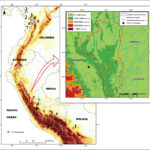
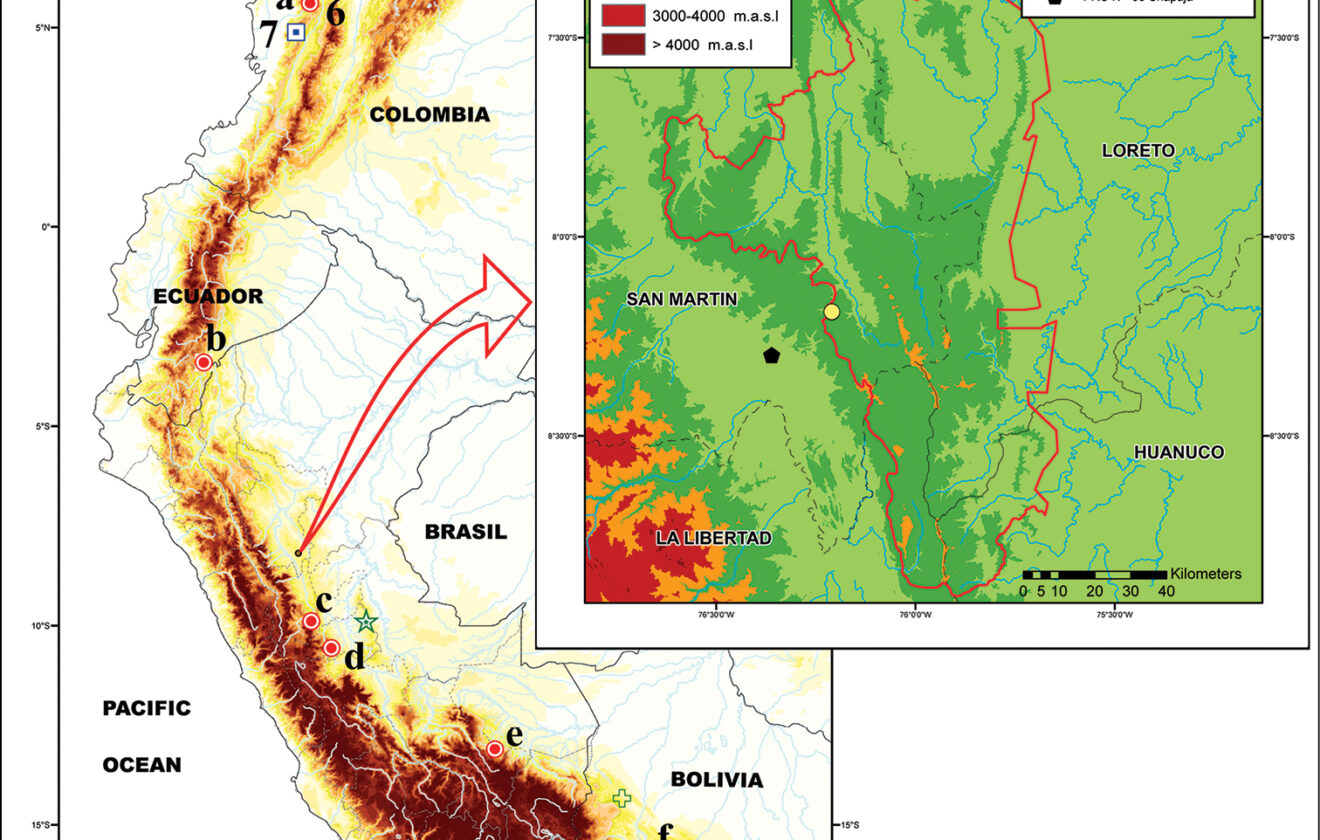
Rhinella ruizi inhabits a specific and relatively limited range within the tropical and subtropical moist forests of western Colombia, particularly within the humid foothills and cloud forests of the Andean slopes. Known primarily from regions such as Valle del Cauca, Risaralda, and Chocó departments, it thrives at mid-elevational zones ranging from approximately 1,000 to 2,200 meters above sea level. Within these lush ecosystems, intricate networks of streams, leaf litter carpets, and dense understory vegetation form the tapestry of its daily existence.
A Habitat Defined by Moisture and Cover#
The forests inhabited by Rhinella ruizi are marvels of natural diversity, characterized by towering trees laden with epiphytes, moss-covered logs, ferns, and a rich carpet of decaying leaves. These humid, cool environments provide ideal conditions for amphibians reliant upon moisture for respiration and reproduction. Streams running through these forests offer both hydration and reproductive sites, while dense leaf litter supplies ample food sources and protection from predators.
Observing Rhinella ruizi in the wild offers a profound connection with its ecosystem. Quietly nestled beneath the leafy litter of the forest floor, these secretive toads move slowly and cautiously, highlighting their vulnerability yet astonishing resilience. They have mastered life in dense humidity, taking advantage of stable microclimates created beneath the thick foliage—an intimate adaptation to their secluded forest world.
Unique Physical Characteristics and Adaptations#
Appearance and Size#
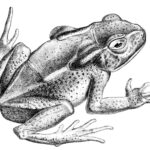
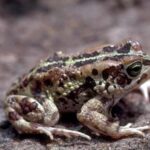
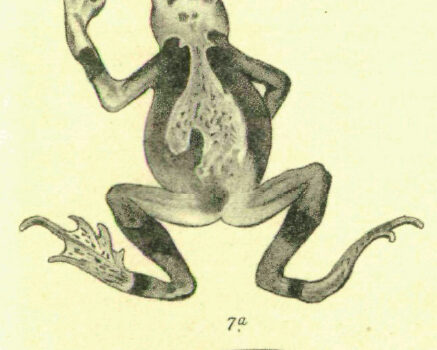
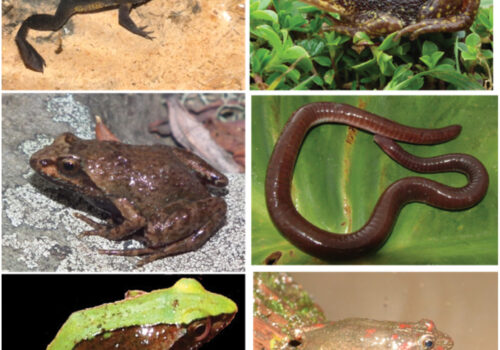
The Rhinella ruizi is a fairly small and robust amphibian, typically ranging between 3 to 5 centimeters in length. Its skin bears a characteristic textured appearance—covered in wart-like protuberances, a common trait among toads of the Rhinella genus. Its coloration provides remarkable camouflage, varying between shades of brown, gray, and olive, intricately patterned to mimic the dappled leaf litter and earthy substrates of its environment.
Adaptations for Survival#
Far from being mere aesthetic features, these hues and textures serve crucial roles in camouflage and predator avoidance. Rhinella ruizi often remains motionless within leaf litter, relying almost entirely on the cryptic nature of its skin color to evade the sharp eyes of predators such as snakes and birds. Additionally, the glandular skin of this toad secretes defensive toxins—a chemical deterrent making them less palatable to potential predators.
Furthermore, adaptations extend to their limbs and toes—short, muscular legs and sturdy digits enable Rhinella ruizi to carefully traverse uneven terrain of tangled branches, roots, and slippery moss-covered substrates with impressive ease. These adaptations make Rhinella ruizi a quiet but capable navigator of its intricate environment.
Behavior and Fascinating Life Cycle of Rhinella ruizi#
Diet and Hunting Strategies#
Rhinella ruizi embodies the essence of a forest-floor predator, subsisting mainly on a diet of small invertebrates such as ants, beetles, mites, and other small arthropods. Equipped with excellent eyesight adapted for close-range hunting in shaded understory habitats, the toads employ a sit-and-wait hunting approach. They position themselves strategically among fallen foliage or near likely pathways of prey, snapping up unsuspecting insects swiftly with rapid, precise tongue movements.
Reproduction and Parental Strategy#
During breeding seasons, often triggered by rainfall and many environmental cues, males call lightly—emitting soft, repetitive vocalizations to attract females. These vocalizations, though subtle, echo quietly amid the gentle hum of streams and insect choruses. Once mated, Rhinella ruizi females deposit clusters of gelatinous eggs in small freshwater bodies, like quiet pools and gentle streams, creating safer incubation places away from larger aquatic predators.
The life journey of Rhinella ruizi includes an amphibious transition familiar to anyone who has studied frogs—toad tadpoles, small and vulnerable, develop quickly within these waters. To survive predation and environmental threats, these tadpoles grow rapidly, soon metamorphosing into tiny, terrestrial froglets ready to navigate the transitional world between water and land.
The Vital Ecological Role of Rhinella ruizi#
As predators and prey, amphibians like Rhinella ruizi formulate critical nodes connecting and stabilizing tropical ecosystems. They hold an essential ecological niche by consuming countless insects, helping control populations of invertebrates, some of which would otherwise become problematic pests. Conversely, they offer nourishment to larger vertebrate predators, forming indispensable threads within intricate food webs.
Moreover, amphibians like Rhinella ruizi act as vital environmental indicators—a “canary in the coal mine,” their health reflecting overall habitat integrity. Deteriorating habitats, contamination, or climate shifts often first become visible through declining amphibian populations, signaling researchers and conservationists to intervene.
Threats and Conservation Challenges Facing Rhinella ruizi#
Habitat Loss and Fragmentation#
The primary threats facing Rhinella ruizi revolve around habitat destruction, primarily from deforestation related to agriculture, logging, infrastructure development, and human expansion in Colombia’s Andean slopes. With shrinking forest cover and fragmented habitats, populations become isolated, unable to maintain genetic diversity necessary for long-term survival. Fragmentation also increases exposure to predators and pathogens as safe refuges dwindle and pathways to breeding areas become hazardous.
Climate Change and Disease#
Climate change exacerbates these threats, as changed rainfall patterns and temperature fluctuations disrupt breeding cycles and habitat suitability. Disease outbreaks, particularly chytridiomycosis, further threaten population consistency, leading conservationists to prioritize proactive monitoring and intervention.
Currently categorized as Least Concern by the IUCN, Rhinella ruizi still demands vigilance, as habitat degradation threatens long-term stability. Precautionary measures emphasizing habitat conservation and ecological corridor preservation remain paramount if declines are to be avoided.
Cultural and Scientific Significance#
While less culturally prominent than larger, more charismatic species, Rhinella ruizi contributes significantly to biological research, offering opportunities to understand amphibian biology, habitat specialization, and toxin production. Colombian herpetology research highlights Rhinella ruizi and similar species as critical windows into ecosystem functioning, biodiversity monitoring, and environmental health assessments.
Concluding Thoughts and Conservation Call to Action#
Rhinella ruizi, hidden beneath tropical forest leaves and shadows, represents an essential story of resilience, adaptation, and interconnectivity. By understanding and appreciating its quiet presence and ecological role, we deepen our comprehension and connection to the natural world.
As you explore and learn, remember your role as a steward of the natural world—support organizations protecting habitats, advocate education and awareness, and foster mindful actions. The humble Rhinella ruizi reminds us that every creature, however small, holds great value and warrants every effort of conservation and respect.