- Introduction: Encountering the Red-Spotted Wonder
- Taxonomy and Classification: Unveiling the Toad's Identity
- Natural Habitat: Life Beneath the Rainforest Canopy
- Physical Characteristics: A Jewel Among the Leaves
- Behavior and Life Cycle: Engaging Rituals in a World Beneath the Leaves
- Ecological Role: A Quiet Pillar of Ecosystem Stability
- Threats and Conservation Status: Fragility Amid Changing Environments
- Cultural and Scientific Significance: Beyond the Forest Floor
- Conclusion: Celebrating and Protecting a Hidden Marvel
Introduction: Encountering the Red-Spotted Wonder#
In the mist-draped forests of the Amazon Basin, where immense trees shroud the forest floor in perpetual twilight, the rich and haunting calls of amphibians fill the warm evening air. Among the symphony emerges a humble yet captivating soloist—the Red-Spotted Toad, scientifically known as Rhinella rubropunctata. With its striking appearance and captivating behaviors, this amphibian invites curiosity among naturalists and conservationists alike.
A master of disguise subtly adorned with distinctive red spots, Rhinella rubropunctata neatly personifies nature’s mesmerizing combination of beauty and efficiency. Beneath its quiet charm lies an integral creature, playing critical roles in ecological balance, research, and inspiring local cultures. Indeed, the tale of this elusive amphibian is one filled with intrigue, resilience, and complexity.
Taxonomy and Classification: Unveiling the Toad’s Identity#
Belonging to the expansive Bufonidae family—including the familiar common toads worldwide—Rhinella rubropunctata is but one captivating member of the vast genus Rhinella. This genus comprises more than 80 species, each with their distinct traits and adaptations. The species name “rubropunctata” aptly describes its unique ornamentation, derived from Latin roots meaning “red-spotted.”
Once categorized under the broader genus Bufo, modern genetic analysis and taxonomic revisions have since moved this species into Rhinella, emphasizing more precise evolutionary relationships. Though closely related to other rainforest toad species like Rhinella marina—the infamous Cane Toad—this delicate creature stands in striking contrast, inhabiting its niche quietly and with subtle charm.
Natural Habitat: Life Beneath the Rainforest Canopy#
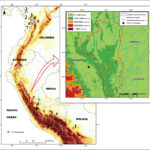
The rich tapestry of the Amazon rainforest provides an ideal stage upon which Rhinella rubropunctata plays its part. Distributed prominently throughout regions of Peru, Brazil, Ecuador, and Colombia, this species primarily resides within primary and secondary lowland rainforests, rich leaf-litter carpets, and occasionally wooded areas adjacent to freshwater streams and rivers.
Stepping softly through the slow-decaying leaf litter reveals a hidden world teeming with life, where the Red-Spotted Toad thrives comfortably beneath fallen logs, amidst the tangled roots of ceiba trees, or quietly concealed within dense understory vegetation. Notably sensitive to environmental changes, the presence of this amphibian typically signals a healthy, intact ecosystem, making them a valuable environmental indicator.
Adaptive Habitat Choices and Challenges#
Adaptation is central to survival, and for the Red-Spotted Toad, a habitat’s suitability depends on two vital factors: moisture and shelter. The humidity-rich understory provides perfect moisture levels essential for skin hydration, while sheltered microhabitats offer protection from predators and dehydration during dry spells.
Unfortunately, however, this sensitivity also bears risks. Habitat destruction, coupled with slash-and-burn agriculture and encroaching development, poses significant threats to populations. As rainforests shrink and fragment, this delicate balance becomes exceedingly threatened, demanding urgent attention from conservationists and land managers.
Physical Characteristics: A Jewel Among the Leaves#
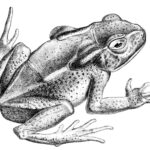
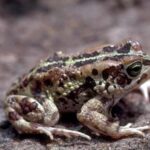
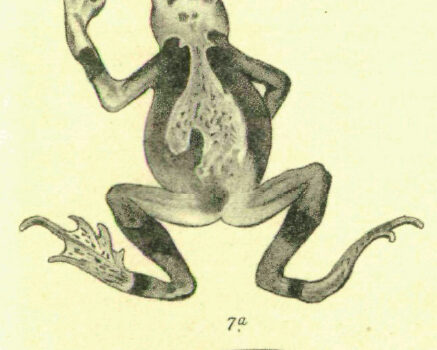
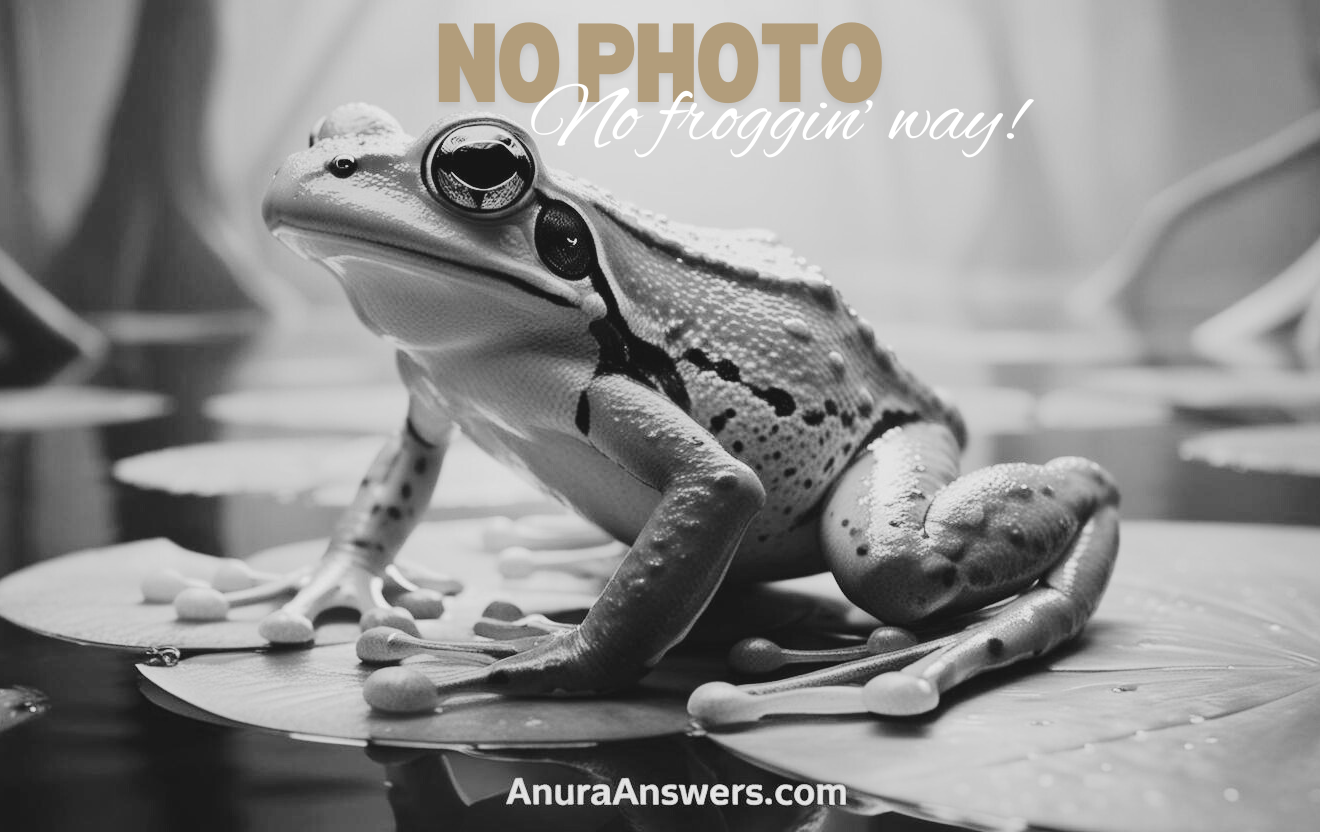
At first glance, this humble amphibian may seem understated. Yet, upon careful observation, the distinctive beauty of Rhinella rubropunctata gradually emerges—a testament to nature’s nuanced artistry. Ranging typically between 4 to 6 cm in size, individuals boast robust bodies and notably wart-covered skin, hallmark traits of their Bufonidae kin. But it’s their unique coloration that truly arrests attention.
Smooth, golden-brown or olive-tinted skin forms a background upon which vivid red spots punctuate the dorsal surface. These crimson markings serve as cryptic camouflage, especially effective against the scattered fallen fruits and leaves on the rainforest floor. Such patterns break the outline of their body, helping them evade potential predators such as birds, snakes, or larger amphibians.
Its eyes, large and expressive, evoke an air of gentle vigilance, enabling it to perceive movement with precision during nocturnal activity. Short limbs and sturdy digits provide crucial locomotion across leaf-littered terrain, ensuring stable footing while rapidly moving prey is pursued or when escaping danger.
Behavior and Life Cycle: Engaging Rituals in a World Beneath the Leaves#
Feeding Habits: The Quiet Hunter#
Foraging usually begins at dusk, as twilight envelops the rainforest floor in comforting shadow. With calm decisiveness, Rhinella rubropunctata ventures forth, capturing prey primarily consisting of ants, termites, and small arthropods. Like most toads, they employ strategic sit-and-wait tactics, detecting prey through visual cues and subtle vibrations transmitted through the forest floor.
Reproduction and Mating Rituals: A Serenade of Life#
One of the most ethereal experiences in the rainforest is to witness the quiet yet resonant breeding chorus of Rhinella rubropunctata. When seasonal rains intensify, males begin their delicate serenades from hidden locations near small bodies of water. Their melodic yet persistent croaking attracts females, resulting in harmonious rituals beneath the gentle embrace of rain shadows.
Once successfully paired, female Red-Spotted Toads lay strings of small, gelatinous eggs in shallow pools, slow-moving forest streams, and natural depressions filled by the wet season rains. The critical period follows closely,” with delicate, vulnerable tadpoles emerging shortly thereafter. As obligate omnivores, these larvae feed primarily on algae, detritus, microorganisms, and occasionally small insect larvae inhabiting temporary aquatic habitats. After several weeks of steady growth and metamorphosis, tiny toadlets cautiously emerge, entering the leaf-litter domain their parents proudly inhabit. This cycle continues indefinitely, reinforcing the vital threads that bond species to ecosystem.
Ecological Role: A Quiet Pillar of Ecosystem Stability#
Though small, Rhinella rubropunctata wields notable influence over its rainforest home. Their voracious appetites control insect populations, acting as natural population regulators, preventing outbreaks of harmful pests while supporting the delicate balance within food webs. Conversely, they also occupy essential prey roles—providing valuable nourishment for larger predators such as snakes, birds, and small mammals.
In essence, their dual function as predator and prey cements their importance as keystone species within their ecosystem, reinforcing robust biological diversity in this invaluable environment. Furthermore, their vulnerability to detrimental habitat alterations makes these amphibians indispensable bioindicators, signaling environmental shifts and potentially identifying larger-scale issues before they escalate irreversibly.
Threats and Conservation Status: Fragility Amid Changing Environments#
Currently, Rhinella rubropunctata is classified as Least Concern by the International Union for Conservation of Nature (IUCN), yet the tranquility of their situation may belie underlying problems. Rapid deforestation and deliberate habitat fragmentation—often arising from agriculture, mining extraction, and infrastructure projects—present severe risks.
In addition, looming threats like climate change harbor sinister implications. Altered rainfall patterns and fluctuations in humidity directly compromise breeding habitats and reduce suitable microhabitats essential for the frog’s survival. Emerging diseases, especially amphibian chytridiomycosis caused by the fungus Batrachochytrium dendrobatidis, further exacerbate threats, potentially decimating vulnerable populations overnight.
Conservation groups actively monitor their status, employing monitoring and survey efforts within protected regions, education initiatives among local communities, and advocacy for sustainable land management practices. Yet continuous vigilance and increased awareness remain vital to safeguarding this extraordinary creature and its complex ecosystem.
Cultural and Scientific Significance: Beyond the Forest Floor#
Though commonly overshadowed by more flamboyant animals in popular culture, amphibians like Rhinella rubropunctata capture an understated allure within local narratives during indigenous storytelling traditions. Toads often symbolize fertility, vitality, and rainfall, weaving their ecological presence deeply within ancestral cultures and histories.
From a purely scientific standpoint, these frogs offer invaluable insights into evolutionary adaptations, environmental sensitivities, and biological indicators. Each detail uncovered about their distribution, ecology, and conservation resonates outward, helping shape our understanding of rainforest ecosystems as irreplaceable global assets.
Conclusion: Celebrating and Protecting a Hidden Marvel#
As we conclude our journey through the captivating world of Rhinella rubropunctata, it becomes evident how deeply intertwined the fates of amphibians and rainforests truly are. Though humble in stature, their ecological and scientific significance commands attention and respect.
Protecting the Red-Spotted Toad means protecting the extraordinary habitats they—and countless other species—depend upon. Let us continue celebrating, studying, and safeguarding these compelling frogs, embracing their richness as testament to our planet’s boundless marvels. Join us in this mission—because when forests thrive, so too will the fascinating frogs who call them home.