- The Secretive Story of Rhinella quechua: Unveiling a Hidden Jewel of the Andes
The Secretive Story of Rhinella quechua: Unveiling a Hidden Jewel of the Andes#
Hidden among the mists and moss-covered stones of the Andean forests, a compact and enigmatic creature lives its secretive life, often unnoticed by passing hikers. Rhinella quechua, affectionately known in many circles as the Quechua toad, constitutes one of nature’s quiet marvels — a resilient amphibian adapted to the harsh realities of high-altitude environments. Although these small creatures rarely grace the cover of wildlife magazines or headline conservation campaigns, their presence is a testament to the adaptability and incredible biodiversity hidden within our planet’s mountainous ecosystems.
Belonging to the Bufonidae family, Rhinella quechua occupies a special place in ecological circles as an indicator species. Their health often mirrors the health of entire ecosystems, making their study particularly significant in conservation biology. Intriguingly cryptic yet resilient in its existence, this humble Andean toad offers a story worth telling, one filled with adaptation, beauty, perseverance, and an often-overlooked ecological importance.
Taxonomy and Classification#
Rhinella quechua, a member of the diverse Bufonidae family, proudly carries a heritage linking it closely to other species within the Rhinella genus. Initially identified scientifically in the late 1970s, its discovery aided greatly in deepening our understanding of amphibian diversification in mountainous ecosystems.
The genus Rhinella itself hosts numerous species distributed throughout South America. However, R. quechua stands apart, thanks to unique evolutionary traits shaped by the challenging conditions of its Andean habitat. Closely related relatives, such as Rhinella spinulosa and Rhinella marina, may provide comparative insight into the fascinating evolutionary narrative of adaptation that characterizes this family.
Natural Habitat#
The High Andes: A Realm of Clouds and Forests#
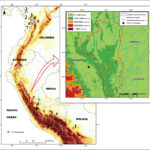
Rhinella quechua inhabits a unique vertical landscape within the high Andean cloud forests, especially prevalent in regions of southern Peru and northern Bolivia. These forests sit between 1,800 and 3,500 meters above sea level, and are cloaked in misty conditions that create a persistently damp atmosphere ideal for amphibians.
When trekking through their habitat, one is greeted by dense foliage, moss-draped trees, and a carpet of leaf litter that provides these toads with ample shelter. Temporary pools and slow-moving streams interlace through their geography, providing the essential conditions for egg-laying and tadpole development.
Rhinella quechua demonstrates a discerning preference for these moisture-laden microhabitats, rarely venturing far from adequate shelter or freshwater sources. Indeed, its evolutionary journey prioritized camouflage, moisture retention, and the clever avoidance of the harsh sunlight characteristic of high altitudes—qualities necessary for sustaining amphibian skin conditions and hydration.
Physical Characteristics#
Masters of Camouflage in a Mossy Realm#
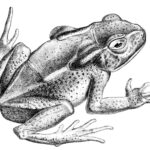
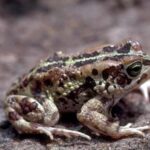
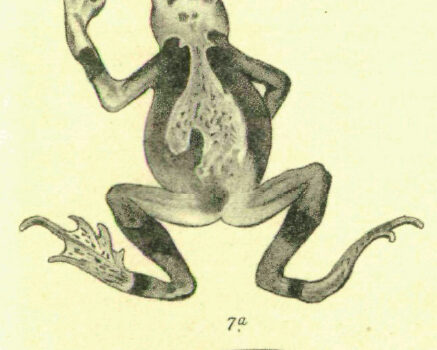
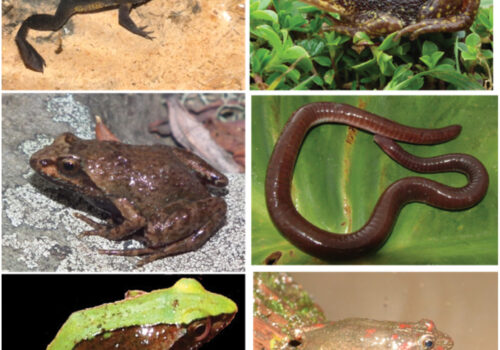
Upon first encounter, Rhinella quechua can seem surprisingly small, averaging around 40–60 millimeters in length. Yet, closer inspection reveals a remarkably textured and beautifully patterned skin, perfectly camouflaging the toad amidst its natural surroundings. Its dorsal surface integrates earthy colors—hues of brown, gray, olive, and muted green—that mirror the moss-covered stones and leaf litter it frequents, making it virtually invisible when remaining still.
The creature’s skin is adorned with granular textures and softly rounded warts characteristic of many Bufonidae species. Such adaptations, far from mere aesthetics, enhance moisture retention and disguise, crucial for survival in a landscape rich with predators. Their lighter-colored underbelly—typically cream or pale gray—contrasts subtly with the dorsum, aiding indirectly in predator avoidance.
Powerful yet proportionate hind legs enable short leaps rather than impressive jumps, designed for careful negotiation and stealthy foraging across uneven and slippery terrains. Consequently, the Quechua toad is far more suited to quiet movements than acrobatic evasion tactics.
Behavior and Life Cycle#
Adapting to Life Among the Clouds#
Rhinella quechua is primarily nocturnal, spending daylight hours concealed beneath leaf litter, logs, and rock crevices. Directed by instinct, the nocturnal voyage begins at dusk; the forests echo with subtle rustlings as these creatures move slowly and deliberately, searching among ground cover for delectable invertebrates—ants, beetles, spiders, and other small insects forming their staple diet.
A Delicate Courtship Amidst Mountain Rains#
With the onset of the rainy season, the nightly choruses of males punctuate the forest air, echoing softly in the dark. Male Rhinella quechua produce a series of low, trilling calls to attract mates, their soft vocalizations blending into the forest symphony rather than dominating it.
Mating typically occurs in temporary pools formed by seasonal rains. Female Quechua toads lay gelatinous strings of eggs attached to submerged vegetation and debris. Upon hatching, the tadpoles demonstrate remarkable adaptability, adjusting their developmental rates based on available resources and environmental conditions—an essential strategy for survival in unpredictable mountain habitats.
Young Quechua toads undergo gradual development into juvenile toads within weeks to months, depending upon temperature and resource availability, demonstrating early age adaptability critical for survival in high-altitude ecosystems.
Ecological Role#
A Vital Cog Within the Cloud-Forest Community#
Rhinella quechua serves primarily in the roles of predator and prey, a vital ecological position. Their diet helps control insect populations, thus contributing significantly to the balance within the ecosystem.
Moreover, as prey themselves, these toads become an essential food resource for numerous larger predators, including birds, snakes, and small mammals flourishing in the Andean forest web. Their presence and abundance thus reflect the health of the entire local food chain, making Rhinella quechua an essential indicator species. Amphibians generally have porous skin, allowing for easy absorption of environmental toxins; declines in their populations can quickly raise alerts about emerging environmental threats.
Threats and Conservation Status#
The Fragility Behind Resilience#
Rhinella quechua currently holds a status of Least Concern on the IUCN Red List of Threatened Species, primarily due to its relatively wide geographical distribution. However, its habitat is increasingly vulnerable. Human encroachment, deforestation, and changing climate conditions continue to fragment and degrade Andean cloud forests. The toad faces increasing threats from habitat destruction, pollution, and climate-induced changes, particularly affecting rainfall patterns and temperature ranges—conditions essential for amphibian survival.
Emerging diseases like chytridiomycosis caused by chytrid fungus pose another growing threat to amphibian biodiversity worldwide, including potentially to Rhinella quechua. Continued monitoring, research, and proactive habitat protection measures will be vital going forward, ensuring these toads remain parts of Andean ecosystems for generations to come.
Cultural and Scientific Significance#
A Legacy Nested in Andean Tradition#
Although Rhinella quechua is not frequently highlighted separately within indigenous practices, people in Andean mountain communities recognize the broader importance of amphibians in maintaining environmental balance. Often symbolic in native Andean cultures as indicators of seasonal shifts and rains, frogs and toads are perceived as signs of environmental well-being.
Scientifically, studying Rhinella quechua advances ecological understanding of high-altitude ecosystems and their vulnerability to climate changes. Researchers exploring the complex relationship between species distributions and altitude variations often look to the resilience and adaptability embodied by this inconspicuous toad.
Conclusion: Protecting the Quiet Jewel of the Andes#
The story of Rhinella quechua reflects not singular attention-grabbing exuberance, but rather quiet, enduring resilience—a beauty found in subtle camouflage, patience, and the humble yet vital role within a thriving ecosystem. Illuminating their life — hidden quietly among high-altitude mist and shadow — reminds us that beneath apparent tranquility lies a rich ecological story demanding our understanding, respect, and conservation.
We invite you, nature enthusiasts and advocates for conservation, to treasure and protect such creatures. By understanding their delicate balance within ecosystems and spreading awareness about their ecological significance, we can contribute collectively to preserving the splendid biodiversity intricately woven throughout our shared planet.