Rhinella pygmaea: Exploring the Life of the World’s Smallest True Toad#
Deep within the lush rainforests of South America, hidden beneath leaves and nestled among moss-covered roots, lives a creature so tiny it could comfortably perch on your thumbnail. This minuscule amphibian, scientific name Rhinella pygmaea, holds the remarkable title as one of the smallest true toads in the world. Although diminutive in size, its contribution to the ecological balance of tropical ecosystems is immense. With unique behaviors, intriguing adaptations, and critical conservation importance, the story of Rhinella pygmaea is a testament to nature’s fascinating diversity in miniature.
Taxonomy and Classification#
The Rhinella pygmaea, commonly known as the pygmy toad, belongs to the Bufonidae family, a widespread lineage of amphibians known simply as true toads. Within the Bufonidae family, the genus Rhinella is large and diverse, encompassing numerous species across the Neotropical realms of Central and South America. Interestingly, Rhinella pygmaea was initially categorized under the genus Bufo, but recent phylogenetic studies have confirmed its inclusion under Rhinella, highlighting the dynamic nature of amphibian classification and the significance of genetic analysis in taxonomy.
This tiny toad shares close evolutionary ties with related species such as Rhinella marina, better known as the giant cane toad—a remarkable contrast in size and appearance that further underscores the vast morphological diversity within this single genus.
Natural Habitat#
Geographic Distribution and Range#
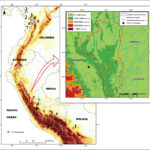
Rhinella pygmaea occupies a relatively confined geographic range, mostly concentrated in the western Amazon basin. Its known distribution includes parts of Bolivia, Peru, Ecuador, Colombia, and western Brazil. Within these countries, the tiny amphibian predominantly inhabits undisturbed rainforests, featuring humid microclimates and dense vegetative cover.
Preferred Habitat Conditions#
The pygmy toad has adapted superbly to living within narrow ecological niches. Thick leaf litter, moist soil, rotting logs, and shaded areas near streams or temporary pools constitute preferred hiding spots. The humid understory, carpeted in decomposing plant matter and bustling with innumerable tiny insects, serves as an ideal environment for this diminutive amphibian. With a highly permeable skin requiring constant moisture, Rhinella pygmaea is exceptionally susceptible to environmental changes, reinforcing its reliance on stable, pristine conditions.
Physical Characteristics#
A Size Worthy of Admiration#
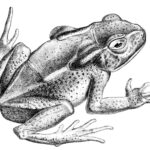
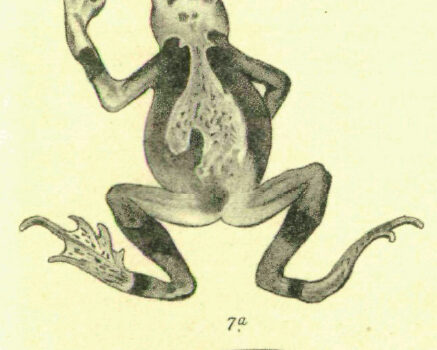
Arguably the most striking attribute of the Rhinella pygmaea is its extraordinary smallness. Adult individuals rarely measure more than 15-20 millimeters (less than an inch) from snout to vent, making them remarkably difficult to detect in their natural habitat. Despite its petite form, the pygmy toad possesses the stout, plump body characteristic of true toads, with short limbs and distinctly proportioned digits adapted for maneuverability in dense leaf litter habitats.
Coloration and Camouflage#
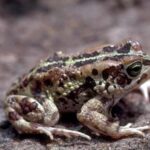
The coloration of Rhinella pygmaea ranges from shades of brown to olive-green, often exhibiting subtle mottling or speckled patterns that blend almost perfectly within leaf litter and forest ground. This cryptic coloration serves as a valuable defense against the various predators inhabiting its ecosystem, allowing the toad to remain unnoticed despite its relative vulnerability due to small size.
Adaptations for Survival#
Pygmy toads exhibit several crucial adaptations that have effectively secured their survival in the competitive rainforest ecosystem. Their profoundly glandular skin secretes mildly distasteful compounds as chemical deterrents, providing at least partial protection from potential predation. Likewise, their short, robust legs allow quick, agile hops through tight vegetation, enabling efficient avoidance behaviors despite their diminutive stature.
Behavior and Life Cycle#
Feeding Habits and Foraging Strategies#
Given its small size, Rhinella pygmaea primarily specializes in consuming tiny arthropods abundant within the leaf litter. Ants, mites, springtails, and minute beetles make up the majority of their diet. These small creatures, easily overlooked, nonetheless represent a significant food base, providing the necessary nutrition to balance the high energetic demands of living within humid, tropical microenvironments.
Mating Calls and Breeding Behavior#
Like its larger relatives, the pygmy toad participates in vocal courtship, albeit quietly and subtly. Males emit faint, high-pitched calls primarily during dusk hours and after substantial rainfall events which prompt temporary aquatic spawning habitats. The female selects a partner based on acoustic and behavioral displays, initiating a gentle amplexus—a reproductive embrace characteristic of amphibians—lasting several hours or even days until she deposits clutches of minuscule eggs.
Development from Tadpole to Toadlet#
The life cycle of Rhinella pygmaea involves aquatic larval stages. Females lay their eggs in shallow ponds and temporary puddles formed by seasonal rains. These small, ephemeral pools offer critical refuges from aquatic predators that can dominate larger water bodies. After hatching, the diminutive tadpoles feed primarily on algae and microscopic organic matter. Accelerated metamorphosis allows swift transition to terrestrial habitats before these ephemeral pools dry, highlighting a specialized adaptation to fluctuating rainforest conditions.
Ecological Role#
Despite its modest size, Rhinella pygmaea serves essential ecological functions. Predating numerous small arthropods, they help regulate insect populations within rainforests, ensuring stability in nutrient cycling and ecosystem health. Concurrently, they themselves provide prey opportunities for a variety of predators such as birds, larger amphibians, snakes, and mammals, reinforcing their integral role within their ecosystems’ intricate food webs.
Moreover, due to their sensitivity to environmental perturbations—especially pollution and habitat disturbance—pygmy toads serve as crucial bioindicators, granting conservationists insight into rainforest ecological state.
Threats and Conservation Status#
Current Challenges and Population Trends#
Habitat destruction, largely driven by deforestation, agriculture expansion, mining, and logging operations, is currently the foremost threat facing Rhinella pygmaea. Their dependency on pristine rainforest habitats makes them especially vulnerable. Climate change-driven weather events and emerging pathogen outbreaks, like chytridiomycosis, further complicate conservation efforts.
IUCN Status and Ongoing Conservation Efforts#
Presently, the species is classified as Least Concern on the IUCN Red List, primarily due to their relatively wide distribution. However, scientists caution against complacency. Regional populations are notably declining, prompting conservationists to press for habitat protections, research initiatives, and public awareness campaigns aimed at safeguarding biodiversity hotspots. Privately managed and governmental protected reserves increasingly focus on amphibian biodiversity, providing hope for this diminutive amphibian’s continued survival.
Cultural and Scientific Significance#
While not eminently featured in folklore or human culture due to their elusive nature, pygmy toads do fascinate researchers investigating the evolutionary drivers of miniaturization and diversification in amphibians. Understanding how such small species adapt physiologically contributes profoundly to ecological, evolutionary, and conservation biology, providing valuable lessons applicable across species boundaries.
Conclusion: A Tiny Ambassador for Rainforest Conservation#
The remarkable story of Rhinella pygmaea invites us to peer closer into the often-overlooked micro-worlds teeming with biodiversity, reminding us that every organism—no matter how minuscule—plays pivotal roles in ecological balance. As our understanding of this tiny toad deepens, our appreciation grows for the intricate connections in nature. We each have a role to play in preserving ecosystems for generations to come.
Dive deeper, advocate for conservation, and ensure these miniature marvels continue hopping harmoniously through the lush leaf litter of the Amazon basin and beyond.