- Introduction to Rhinella multiverrucosa: The Intriguing Toad of South America
- Taxonomy and Classification
- Natural Habitat: Where One Finds Rhinella multiverrucosa
- Physical Appearance and Adaptations
- Life Cycle and Behaviors in the Wild
- An Essential Ecological Role
- Threats and Conservation Concerns
- Cultural and Scientific Significance
- Conclusion and Call to Action
Introduction to Rhinella multiverrucosa: The Intriguing Toad of South America#
On warm tropical evenings in the lush Brazilian savannas and subtropical forests, shadows emerge quietly among leaf litter, moss-covered rocks, and creek banks. One of these shadows belongs to a small, warty toad that plays an essential yet often overlooked role within its vibrant ecosystem—Rhinella multiverrucosa. Known affectionately among herpetologists and wildlife enthusiasts alike, this species fascinates with its unique appearance, charmingly awkward movements, and symbiotic relationship with its environment.
Rhinella multiverrucosa, previously known scientifically as Bufo multiverrucosus, belongs to the Bufonidae family, commonly known as true toads. It thrives quietly beneath tropically verdant canopies and at the ecological crossroads of land and water. Despite its modest size and elusive habits, its characteristically textured skin and subtle croaks offer critical clues for those interested in exploring the mysteries of South American biodiversity.
Taxonomy and Classification#
First scientifically described by Miranda-Ribeiro in 1907, Rhinella multiverrucosa is nestled firmly within the diverse family Bufonidae, home to many familiar species of toads. The genus name Rhinella, derived from Greek origins, translates roughly to “little nose,” reflecting the characteristic protruding snout prevalent among this group of amphibians.
Initially classified under the expansive Bufo genus, ongoing phylogenetic examinations prompted revisions in classification, moving many South American toads—including multiverrucosa—to the genus Rhinella. Its closest relatives share similar range overlaps across Central and South America, each adapted uniquely to their individual regional habitats. Distinctive traits and behaviors differentiate this species from its close cousins, highlighting subtle evolutionary divergences shaped by habitat variation and ecological niches.
Natural Habitat: Where One Finds Rhinella multiverrucosa#
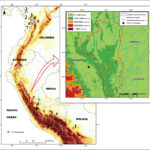
The habitat preferences of Rhinella multiverrucosa highlight this amphibian’s adaptive versatility. Primarily found within Brazil, Argentina, Paraguay, and Bolivia, this species thrives in diverse environments ranging from moist lowland forests and gallery forests alongside rivers and streams, to the subtropical environs of the Cerrado and Atlantic Forest biomes.
These amphibians typically prefer shaded, humid microhabitats near bodies of freshwater or permanently moist soils. Fallen logs, dense leaf litter, rock crevices, and damp terrestrial habitats offer secure daytime refuges, allowing these generally nocturnal creatures protection from the midday sun and daytime predators.
In the twilight hours after rainfall, the forests resonate with subdued croaks as these toads venture out for food and breeding. Their habitats are often lush and vibrant, offering an intricate mosaic of plant life, insects, and competing amphibians that reflect the profound biological diversity characterizing South America’s ecosystems.
Physical Appearance and Adaptations#
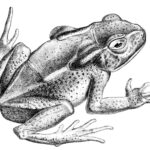
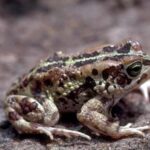
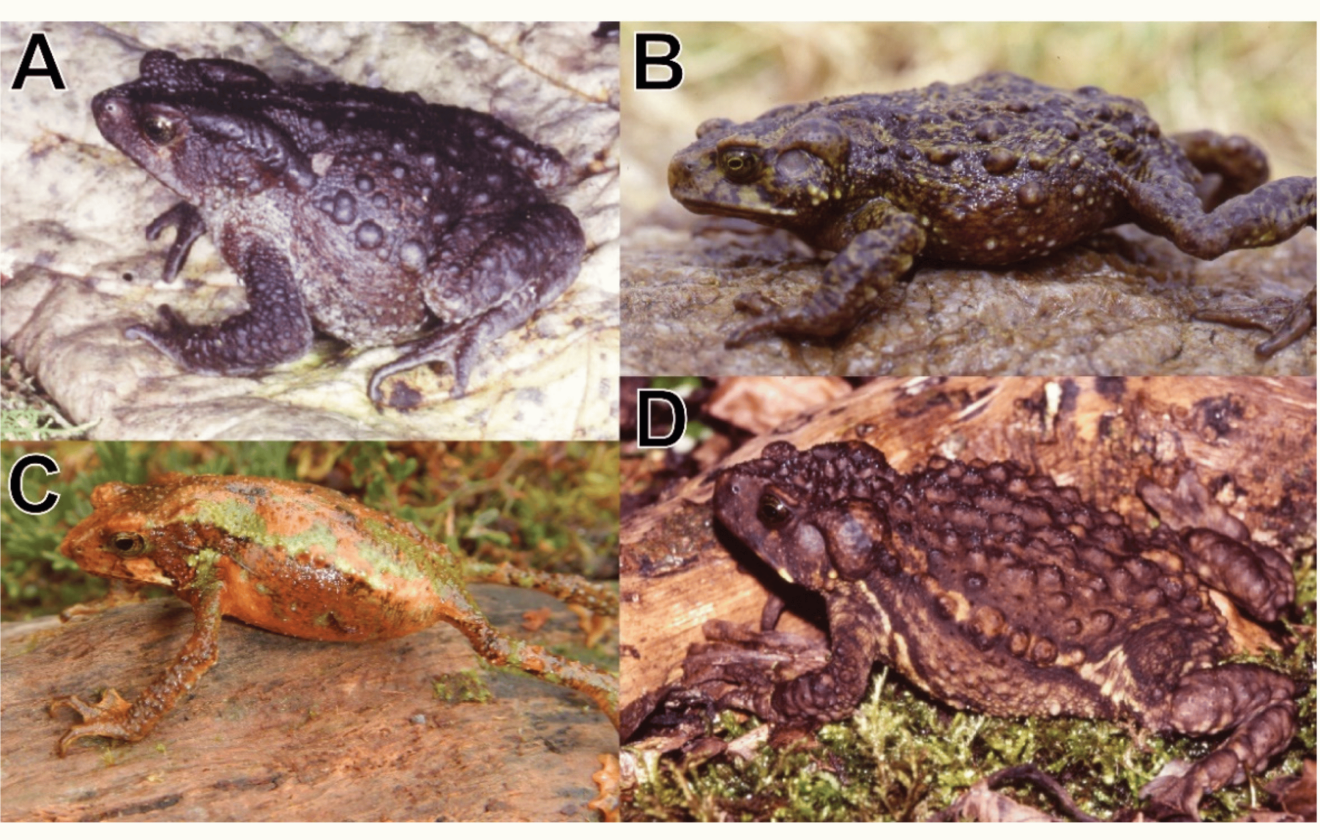
Rhinella multiverrucosa showcases distinct morphological features suited impeccably to its habitat and lifestyle. Typically measuring between 5 to 8 centimeters in length, individuals display classic toad-like robustness: Short, stout limbs, thick-set bodies, and the familiar dry, extensively wart-covered skin provide camouflage as well as crucial defense mechanisms.
The color patterns of these amphibians often mirror their habitat perfectly. Ranging from earthy browns, greens, and olives to mixtures of mottled grays, these patterns ensure they blend seamlessly into the leaf litter and soil of their environment. This cryptic coloration provides essential protection against natural predators like snakes, birds, and small mammals, allowing them stealth and safety among the cluttered understory of their forested homes.
Another key aspect of their physique is their parotoid glands—prominent, raised glands located behind the eyes. These secrete bufotoxins when the toad experiences threats, effectively deterring predators and allowing them additional security. Though not dangerously toxic to humans when handled with caution, their bufotoxins serve as a reliable chemical defense in the wild.
Life Cycle and Behaviors in the Wild#
Feeding Habits and Ecological Strategies#
Like most of their Bufonid relatives, Rhinella multiverrucosa are primarily insectivorous, using their sticky tongues to capture insects and other invertebrates efficiently. Their diet typically includes ants, beetles, termites, and various larvae buried among leaf litter. At nighttime, they patrol leaf-littered territories methodically, driven by instinct and sensory perception, consuming prey that sustains their important role within the ecological food web.
Reproduction and Development#
Breeding activity occurs seasonally, typically synchronized to seasonal rainfall and temperature conditions. During warm, wet months, males congregate in shallow pools or slow-moving waterways, emitting distinctive breeding calls to attract females. Female toads lay elongated strings of eggs in freshwater habitats, often attaching them to aquatic vegetation or submerged debris.
The eggs hatch into free-swimming tadpoles, proceeding through metamorphosis within several weeks or months, dependent upon environmental conditions. Younger stages display different behavior and habitat preferences, feeding primarily on aquatic vegetation and microorganisms before transitioning gradually to terrestrial life. This remarkable metamorphosis, transforming aquatic larvae to fully terrestrial adults, symbolizes the adaptability and resilience of this fascinating species.
An Essential Ecological Role#
Rhinella multiverrucosa serves as an indispensable member within the food web of its diverse habitats. As voracious insectivores, these animals significantly reduce insect populations, influencing ecological balance and pest control. Moreover, their presence symbolizes habitat quality, reflecting ecological health and biodiversity richness—hallmarks recognizable to conservation researchers assessing land ecosystems.
Simultaneously, these amphibians act as critical food sources for a wide range of predators, indirectly influencing predator populations and diversity. Their presence ensures a healthy ecosystem balance, advancing the overall biodiversity and ecosystem resilience across their habitats.
Threats and Conservation Concerns#
Despite adaptability and relative abundance within certain ecological niches, Rhinella multiverrucosa faces mounting pressures from human-induced environmental alterations. Habitat destruction resulting from deforestation, agricultural expansion, urban sprawl, and infrastructure developments create fragmented habitats, reducing genetic diversity and species resilience.
Additionally, threats from increasing pollution, chemical fertilizers, pesticides, and climate change impacts further challenge these amphibians, disrupting reproduction cycles and affecting their delicate skin physiology. Although presently classified as “Least Concern” by the International Union for Conservation of Nature (IUCN), vigilant conservation efforts remain essential to ensure long-term population stability in rapidly changing ecosystems.
Cultural and Scientific Significance#
Rhinella multiverrucosa, although modest in size and outreach, simultaneously holds considerable significance for biocultural diversity throughout South America. Several Indigenous and local communities acknowledge amphibians as valuable integral elements within their worldviews. Additionally, scientists recognize the pharmaceutical potential of toad toxins in medicine, highlighting hidden biodiversity treasures yet to be fully explored.
As bio-indicators, amphibians such as these toads help identify environmental disturbances swiftly, enabling early responses and conservation interventions. Ongoing trails of ecological research provide important lessons about ecosystem resilience, climate adaptation, and the intricate dependencies between species—lessons inspiring continued exploration and stewardship.
Conclusion and Call to Action#
Rhinella multiverrucosa quietly exemplifies nature’s intricate interconnectedness, highlighting the immeasurable importance of every organism, regardless of size or prominence. Their story underscores our collective responsibility to protect biodiversity in a changing world, encouraging curiosity, conservation, and appreciation for Earth’s wondrous capability to host vibrant life.
To support conservation efforts, readers can engage by supporting local wildlife organizations, advocating for sustainable land-use practices, and staying informed about amphibian conservation initiatives. Every influence, regardless of size, holds power for positive change—for Rhinella multiverrucosa and, ultimately, our shared ecosystems.