- Rhinella Marina: The Fascinating Saga of the Cane Toad
- Taxonomy and Classification: Unpacking the Cane Toad's Identity
- Natural Habitat: A Home in the Tropics
- Physical Characteristics: Anatomy of a Survivor
- Behavior and Life Cycle: Biology of an Opportunist
- Ecological Role: Predator, Prey, and Poisonous Intruder
- Threats and Conservation Status: An Amphibian in the Anthropocene
- Cultural and Scientific Significance: Learning from the Cane Toad Legacy
- Conclusion: Reflections Upon a Fascinating Amphibian
Rhinella Marina: The Fascinating Saga of the Cane Toad#
As dusk settles softly over tropical regions from Central America to Australia, a peculiar creature emerges from its daytime refuge, slowly hopping from lush undergrowth into open clearings. This creature, large and enigmatic, intrigues some and unnerves others. Known scientifically as Rhinella marina, the cane toad has traversed oceans and conquered continents, becoming one of the world’s most infamous amphibians. Its fascinating biology, controversial ecological role, and surprising adaptability offer us profound insights into nature’s balance—and how easily our human actions can tip the scales.
Rhinella marina, often colloquially called the cane toad or marine toad, is renowned not only for its robust build but its notoriously powerful poison glands. This amphibian’s immense potential for ecological impact stretches far beyond its original habitats, thrusting it into a narrative of invasion and environmental upheaval that challenges our understanding of species management and conservation.
Taxonomy and Classification: Unpacking the Cane Toad’s Identity#
To truly appreciate Rhinella marina, one must understand its place in amphibian taxonomy. Belonging to the Bufonidae family—a diverse collection of true toads—the cane toad occupies a unique evolutionary niche. First described scientifically by Carl Linnaeus in 1758, the cane toad initially bore the name Bufo marinus. Taxonomic revisions, driven by genetic research, placed it within the genus Rhinella, reflecting its evolutionary divergence from other toads.
Within this expansive genus, Rhinella marina’s closest relatives tend to inhabit similar ecological niches, sharing comparable adaptations that aid their terrestrial survival, such as robust bodies, warty skin, and highly developed parotoid glands producing potent toxins for defense. Yet none have achieved the notorious global notoriety or scale of ecological influence as Rhinella marina has.
Natural Habitat: A Home in the Tropics#
Originally native to regions spanning from southern Texas through Central America to parts of the Amazon Basin in northern South America, the cane toad thrives primarily in warm, humid climates. Naturally adaptive, it flourishes in diverse habitats that include forest clearings, savanna grasslands, freshwater wetlands, rainforests, and even disturbed areas close to human habitation.
In its native range, Rhinella marina occupies ecological niches that facilitate moisture retention and prey availability—often seeking shelter among leaf litter, beneath logs, or within dense vegetation during daylight hours. At nightfall, guided by exceptional senses, it ventures into open spaces, fields, roads, and waterways in pursuit of prey, a testimony to its flexible adaptability and dietary versatility—the very attributes that enabled its invasive spread across distant lands.
Physical Characteristics: Anatomy of a Survivor#
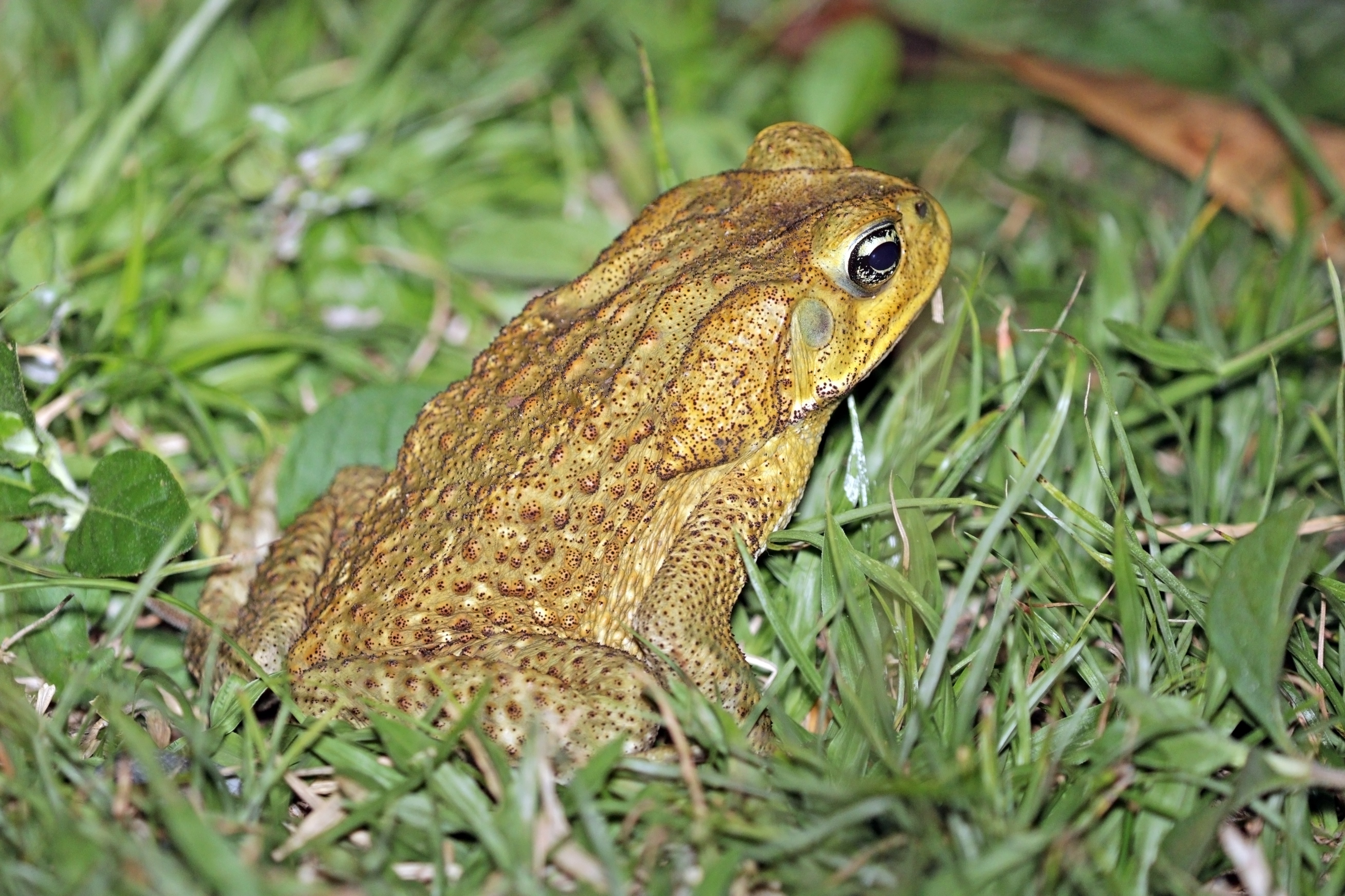
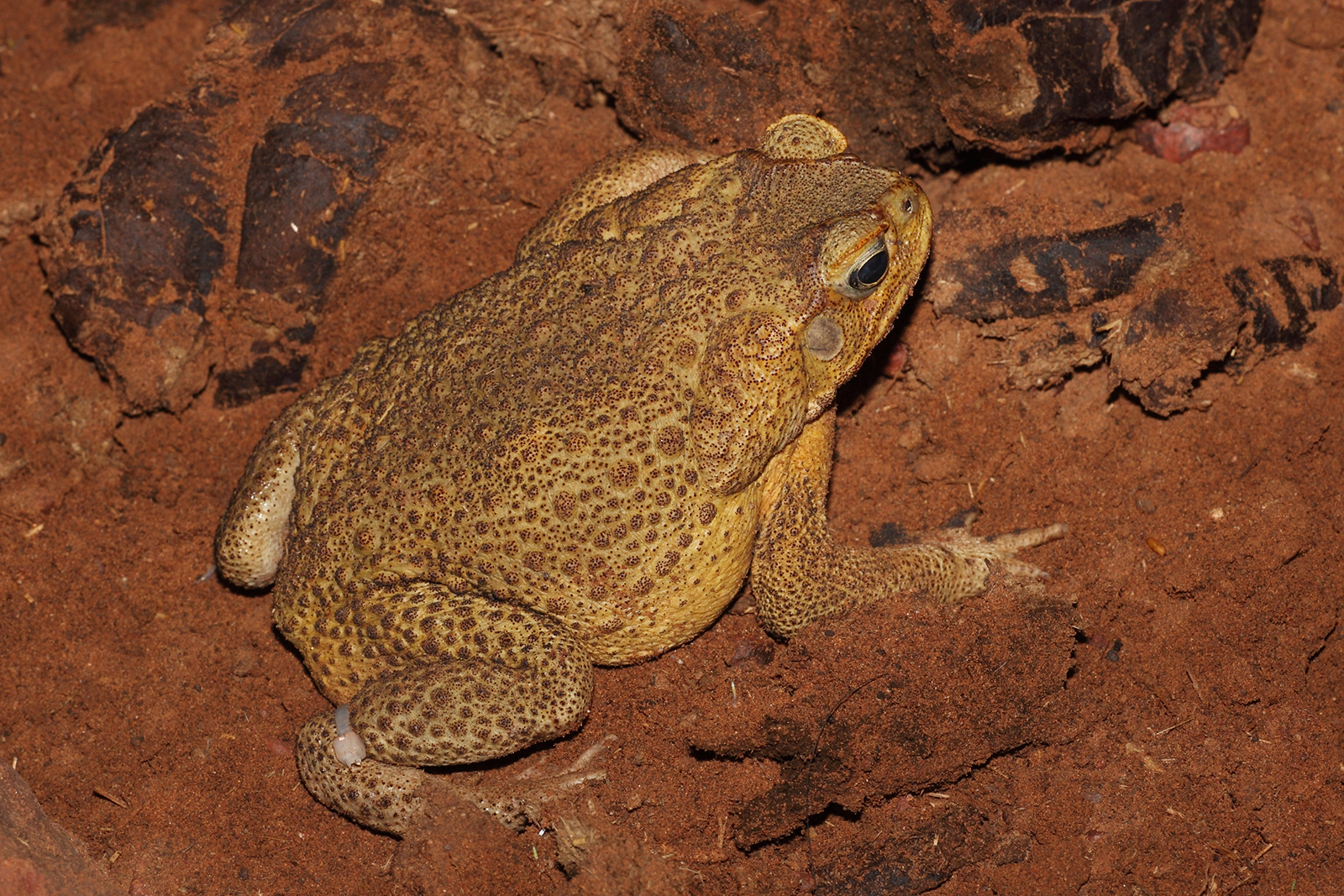
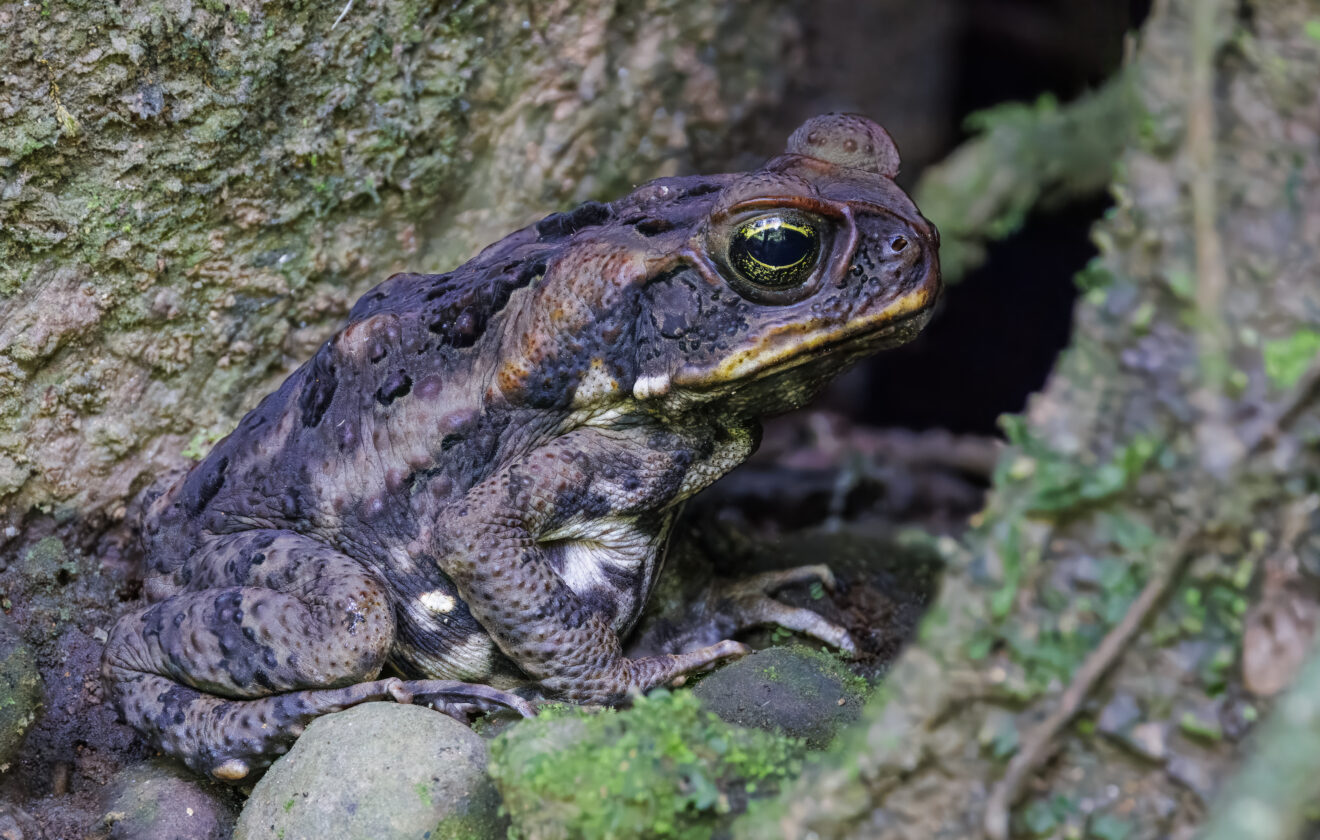
At first glance, Rhinella marina is unmistakable. Its sheer size often evokes surprise, especially when compared to the common garden-variety toad. Adult cane toads can reach lengths ranging from 10 to 15 centimeters (4 to 6 inches), with females typically outweighing males and sometimes exceeding impressive dimensions of up to 20 centimeters (nearly 8 inches).
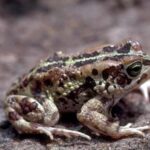
Its earthy-toned, wart-covered skin varies from olive-brown to grey or reddish hues, providing camouflage among leaf litter and muddy soils. Distinctive features also include the large protruding eyes with horizontally elliptical pupils adapted for night-vision, and prominent ridges running from the eyes down to its back. A defining characteristic is its pair of pronounced parotoid glands, located behind its eyes, visible as bulbous lumps. These glands produce a powerful defense toxin composed largely of bufotoxin, a secretion that deters many predators from preying upon it.
Adaptations such as its robust legs—built more for endurance than remarkable leaping skills—further support its terrestrial lifestyle, enabling sustained movement over diverse terrains rather than impressive jumps like many tree-dwelling amphibians.
Behavior and Life Cycle: Biology of an Opportunist#
Rhinella marina’s reputation as an opportunistic feeder is well-earned. Primarily nocturnal, cane toads devote their active hours to voracious feeding habits—consuming virtually anything small enough to swallow. Their diet encompasses insects, spiders, earthworms, small mammals, amphibians, reptiles, birds, and even pet food and human leftovers. This lack of dietary discrimination significantly bolsters their chances of survival and expansion into new environments.
Breeding and Reproduction Patterns#
The shift from dry seasons to wetter climates cues an extraordinary chorus of deep-throated mating calls, resonating through the night air. Male cane toads congregate near temporary water bodies or shallow marshlands, energetically broadcasting their distinctive vocalizations to allure females. This synchronized mass-breeding ensures maximum reproductive success—a hallmark of Rhinella marina’s reproductive strategy.
Females deposit strings of gelatinous eggs—thousands at once—in slow-moving or stagnant water sources, beginning the remarkable transformation from egg to tadpole to adult. Surviving tadpoles grow rapidly, feeding voraciously on algae, plankton, and detritus. Within several weeks, these tadpoles metamorphose into small toadlets with remarkable speed, dispersing from birth sites to colonize surrounding landscapes—a crucial factor behind their capacity for explosive population growth in new habitats.
Ecological Role: Predator, Prey, and Poisonous Intruder#
In their native ecosystems, cane toads function as important predators, managing populations of insects and invertebrates, thus controlling agricultural pests naturally. Balanced by predators capable of overcoming their toxicity, such as the caiman, certain snakes, specialized birds, and some mammals with toxin tolerance, cane toad populations remain stable components within their natural habitats.
However, when introduced into regions lacking evolved predators or defenses against their toxins, Rhinella marina rapidly disrupts local ecosystems. The ecological impact in places such as northern Australia has been profound and devastating, with its introduction aimed at controlling sugarcane beetles resulting in catastrophic ecological consequences due to naive predators succumbing to toad poisons.
Threats and Conservation Status: An Amphibian in the Anthropocene#
Surprisingly, despite its devastating invasive impact in certain regions, globally, Rhinella marina faces no significant threats across its native range, a testimony to its resilience and adaptability. The International Union for Conservation of Nature (IUCN) classifies it as a species of Least Concern, highlighting stable populations and effective wide distribution in its native habitats.
Nevertheless, cane toads face local threats such as habitat fragmentation, pollutants affecting water sources, and climate change disturbances. Additionally, controversy surrounds management efforts where it is invasive, with research suggesting multiple management strategies ranging from humane euthanasia to biological controls, reflections of complex ecological and ethical considerations.
Cultural and Scientific Significance: Learning from the Cane Toad Legacy#
The cane toad holds significant cultural resonance, especially within regions impacted by its invasive history. In Australia, it symbolizes the unintended consequences of environmental intervention, spurring ongoing educational and research programs aimed at better understanding invasive species.
Scientifically, Rhinella marina offers invaluable insights. Researchers extensively study its powerful toxins, investigating medicinal potentials and biochemical structures. Its ability to rapidly colonize and adapt provides critical lessons regarding invasive biology, ecological resilience, and ecosystem fragility.
Conclusion: Reflections Upon a Fascinating Amphibian#
Rhinella marina embodies complexity, resilience, and adaptability while also starkly illustrating ecological balance’s fragility. Its narrative reveals profound human impact on ecosystems through the movement and mismanagement of species. As naturalists, conservationists, and citizens passionate about wildlife, we must continue educating and shaping conscientious ecological practice to avoid repeating such invasive stories.
Engagement with Rhinella marina’s story encourages deeper reflection on ecological responsibilities, invasive species management, and conservation ethics. It invites us to observe, appreciate, and cautiously interact with our richly interconnected natural world. Whether feared, studied, or admired, the cane toad commands our respect, compelling us into deeper discussion regarding our role within earthly ecosystems.