- Rhinella margaritifera: Exploring the Fascinating World of the South American Crested Toad
Rhinella margaritifera: Exploring the Fascinating World of the South American Crested Toad#
In the hidden corners of lush emerald rainforests, beneath the shadowy embrace of large leafy canopies, a peculiar creature navigates the vibrant leaf litter—unseen by many but vital to its ecosystem. The South American crested toad, scientifically called Rhinella margaritifera, is a fascinating amphibian whose existence weaves delicately into the ecological fabric of its tropical habitats.
This particular toad doesn’t win admirers with bright colors like poison-dart frogs nor does it serenade travelers with melodious calls like certain tree frogs; yet its subtly intricate beauty, armored body, and intriguing behaviors have captivated those fortunate enough to uncover its secrets. In this journey into the wild life of Rhinella margaritifera, we will delve into its unique biology, captivating behavior, ecological significance, and the many challenges it faces in modern times.
Taxonomy and Classification#
Rhinella margaritifera belongs to the family Bufonidae, renowned worldwide for its robust, hardy amphibians colloquially known as “true toads”. Within the genus Rhinella, we find an intriguing collection of similarly rough-skinned counterparts. The species was first scientifically described by the esteemed herpetologist Laurenti in 1768, capturing early scientific fascination with its particularities.
Taxonomically, Rhinella margaritifera has been a challenge for researchers due to significant morphological and behavioral variations across its wide distribution. For decades, taxonomists have debated how best to classify subspecies and variants of this “crested toad,” leading to considerable reshuffling and scientific debate. Current genetic research suggests the existence of a species complex, highlighting multiple cryptic species wrapped inside what science currently calls Rhinella margaritifera.
Natural Habitat#
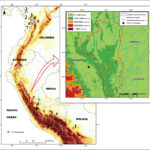
This enigmatic toad claims a broad geography, thriving throughout the humid regions of South America. From Colombia, Venezuela, and the Guianas into Amazonian Brazil, Ecuador, Peru, and Bolivia, Rhinella margaritifera inhabits lowland rainforests, subtropical woodlands, and seasonally flooded forests. However, their populations display intriguing adaptation to quite specific microhabitats within this immense range.
Unlike many of its amphibian brethren inclined toward moisture-soaked riversides, this species often favors the forest floor’s leaf litter. Here, amid fallen leaves, moss-covered roots, and decomposing wood, the creature finds safety, moisture, and abundant food resources. The dim, shadowy understory provides the perfect camouflage environment for its cryptic coloration, a fundamental key to its survival strategy. In some regions, they occasionally venture closer to stream and river edges during breeding seasons, attesting their adaptability and connection to these crucial fresh-water systems.
Physical Characteristics#
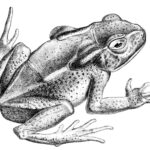
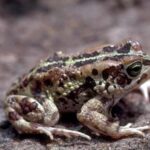
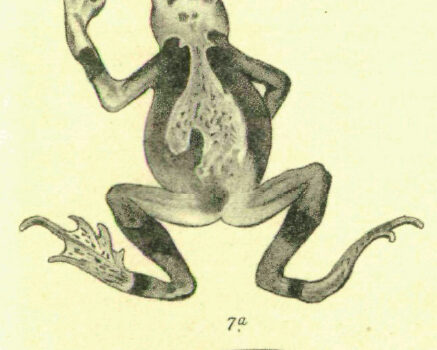
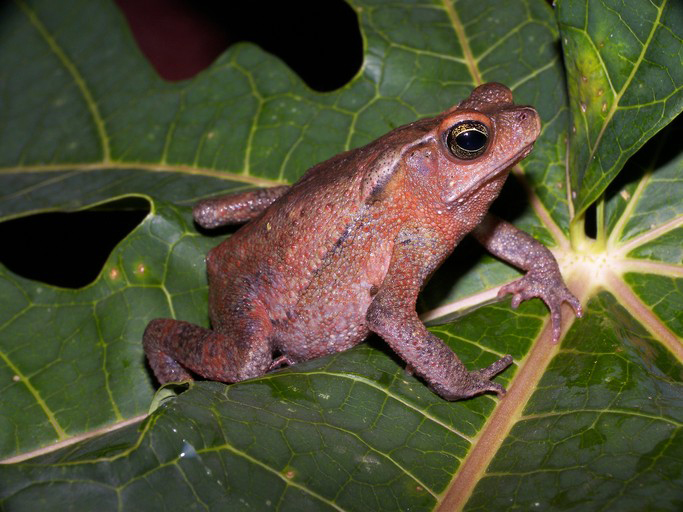
The physical appearance of Rhinella margaritifera conjures impressions of hardy resilience and subtle adaptation. Typically medium-sized, adult crested toads measure between 40-80 mm in length, with females often larger and bulkier than males. Their bodies boast a rugged armor of granular skin covered with pronounced tubercles or warty bumps, which appear to be hewn from stone or rough bark—the perfect disguise against predators with sharp vision.
The coloration of these intriguing amphibians ranges from earthy browns and muted greens to grays, often intermixed with complex patterns and textures mimicking wet leaves and decomposing vegetation. This impeccable camouflage permits them to hide effortlessly from potential threats lurking just beyond the fringes of their awareness.
Perhaps their most distinctive feature, lending them their common name, is the prominent pair of cranial crests beginning just behind the eyes, resembling subtle ridges flowing gracefully across their robust skull. These bony ridges enhance their disguise amidst the forest floor debris, contributing further to their discreet yet fascinating appearance.
Behavior and Life Cycle#
Feeding Habits#
In the dense jungle twilight, Rhinella margaritifera prowls quietly, relying on stealth, camouflage, and patient observation to hunt prey. Feeding primarily on insects and other small invertebrates flourishing in the humid rainforest understory, they consume ants, beetles, termites, moths, and occasionally even small spiders. Their well-developed eyesight and rapid response allow them to seize unsuspecting prey in an instant, ensuring their efficient place in the food web.
Mating Rites and Parental Care#
Breeding cues typically arrive with the seasonal rains. Triggered by increasing humidity and rainfall patterns, males gather near shallow forest pools or slow-moving water bodies, calling persistently to attract mates with soft, melodious ‘chirps’ and subtle trills that blend harmoniously with the rainforest symphony. Females approach cautiously, selecting mates based on calls, territory location, and displays of vitality.
After mating takes place, females lay clusters of gel-covered eggs attached underwater on leaves, submerged plants, or branches near ephemeral pools. From these jelly-like clusters, larvae hatch, beginning their fascinating journey as tadpoles. Interestingly, larvae of Rhinella margaritifera demonstrate remarkable adaptation to their aquatic environment, carefully timing their metamorphosis to maximize survival as juveniles in the dense surrounding forest.
Unique Defense Mechanisms#
When danger approaches, these toads depend first upon their exceptional camouflage. They freeze completely, hidden beneath layers of leaf litter, almost indistinguishable from their surroundings. As a backup, however, Rhinella margaritifera carries specialized glands—parotoid glands—that can produce toxic secretions deterring predatory attempts. Although these toxins rarely harm larger animals, they serve as effective deterrents, further cementing their reputation as fascinatingly adapted amphibians.
Ecological Role#
Rhinella margaritifera contributes an essential piece to its ecological puzzle. As insectivores, these toads efficiently control populations of insects and small arthropods, ensuring balance in their habitats. Furthermore, their abundant eggs and tadpoles provide valuable food resources for fish, aquatic insects, and birds inhabiting the same ecosystems.
Perhaps most importantly, amphibians like Rhinella margaritifera serve as environmental indicators. Their skin, porous and sensitive, alerts scientists and conservationists early to environmental threats, measuring pollution levels, habitat changes, and even climate trends long before larger animals exhibit signs of distress.
Threats and Conservation Status#
Although currently classified as Least Concern on the IUCN Red List due to their broad range and adaptability, Rhinella margaritifera is far from free of threats. Habitat degradation through logging, agriculture, road construction, and rapid anthropogenic encroachment on rainforest ecosystems jeopardizes certain regional populations. Climate change, altering rainfall patterns and intensifying drought periods, further endangers their rainforest habitats and delicate breeding cycles.
Proactive conservation, encompassing habitat preservation and responsible ecosystem management, remains vital. Monitoring population trends and assessing genetic diversity can ensure early intervention and safeguard the species across its expansive territory.
Cultural and Scientific Significance#
Throughout Amazonian cultures, amphibians frequently hold symbolic importance as emissaries of fertility and weather patterns. Though Rhinella margaritifera specifically lacks extensive traditional lore documentation, local inhabitants often recognize these toads as vital members of the ecosystem, indicating forest health.
From a scientific perspective, detailed research regarding their unique chemical defenses has sparked biological curiosity, leading to biomedical studies exploring these naturally occurring toxins and their potential pharmacological properties.
Conclusion: Appreciating and Conserving Rhinella margaritifera#
The subtle intrigue, captivating behaviors, and ecological importance of Rhinella margaritifera illustrate clearly why this resilient amphibian deserves recognition among nature enthusiasts and conservationists alike. Preserving its rainforest home and maintaining environmental health safeguards not only the future of this fascinating species but also underscores our collective responsibility towards the ecological tapestry connecting all life on Earth.
By continuing our journey into understanding, appreciation, and conservation action, we lay valuable groundwork ensuring the survival—and perhaps the thriving—of the mesmerizing South American crested toad for generations to come.