Exploring Rhinella macrorhina: The Fascinating Life of the Big-Nosed Toad#
Deep in the lush, humid expanses of South American rainforests, hidden beneath layers of leaf litter and nestled among fallen branches, lives a remarkable amphibian known for its distinctive appearance—Rhinella macrorhina, commonly referred to as the Big-Nosed Toad. With its unique snout structure suggestive of its evocative common name—”macrorhina” meaning “large nose”—this amphibian navigates the intricate tapestry of forest life with astonishing adaptability and subtle charm. While perhaps not as famously charismatic as vivid tree frogs or jewel-like poison dart frogs, the Big-Nosed Toad claims its place in nature as an essential part of the tropical ecosystem, quietly intriguing biologists and nature lovers alike.
From fascinating mating rituals that bring life to tranquil forest pools, to their invaluable ecological roles underpinning rainforest health, discovering the world of this cryptic amphibian offers both scientific insight and a rich window into the extraordinary harmony and complexity of nature’s interconnected web. Let us journey together into the captivating world of Rhinella macrorhina, immersing ourselves in its hidden life and understanding why conservation of even such unassuming creatures matters profoundly.
Taxonomy and Classification#
Rhinella macrorhina belongs to the Bufonidae family, commonly known as true toads, within the robust genus Rhinella. The genus comprises over 90 species, spread predominantly across Central and South America. Historically grouped under the expansive genus Bufo, modern herpetological revisions have led to clearer definitions, classifying this species under Rhinella due to genetic, morphological, and ecological criteria.
The scientific name sheds immediate light on its defining morphological feature—’macro’ meaning large and ‘rhina’ meaning nose—accurately describing its prominent facial projection. Closely related species within Rhinella include well-known members such as Rhinella marina, commonly known as the Cane Toad, which gained notoriety for its invasive nature in certain regions. Although Rhinella macrorhina shares overlapping ranges with several relatives, its distinct physical attributes and behavioral differences set it apart as unique, maintaining ecological niches within particular forest habitats across its range.
Natural Habitat#
A Forest Dweller’s Realm#
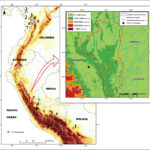
Rhinella macrorhina predominantly inhabits lowland rainforest ecosystems throughout regions of the upper Amazon Basin, notably within countries including Ecuador, Peru, Colombia, and western Brazil. These toads prefer the shadowy sanctuary provided by pristine tropical forests, thriving in habitats ranging from dense primary rainforest understories to shaded secondary growth surroundings adjacent to slow-moving streams, marshes, or temporary pools extended throughout the wet seasons.
Leaf Litter and Moist Microhabitats#
A critical preference of this species is abundant leaf litter, decaying vegetation piles, and fallen logs. These microhabitats provide not only moisture necessary for amphibian skin respiration and hydration but also abundant shelter and concealment from potential predators and harsh external elements.
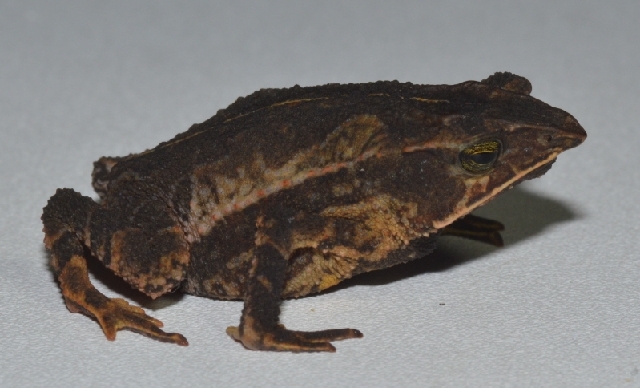
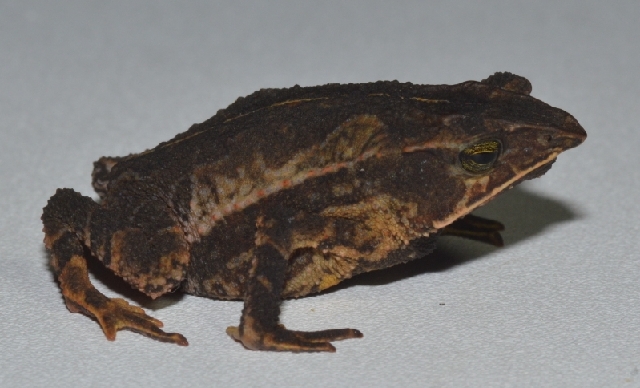
The cryptic coloration of Rhinella macrorhina brilliantly complements its habitat—patterned brown, olive, and gray tones mimic the forest floor beneath, allowing individuals to seamlessly blend into leaf litter. Such subtle yet robust adaptations equip this species to remain elusive, detectable only by careful observers aware of subtle movements or calls emanating from the ground stratum.
Physical Characteristics#
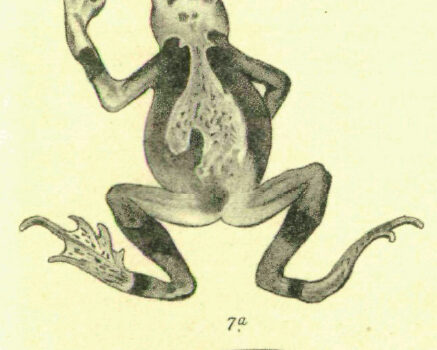
At first glance, what mesmerizes observers most about Rhinella macrorhina is undoubtedly its unusual facial structure. Distinguished by an elongated, sharply projecting snout, this toad possesses one of the most pronounced “noses” found among amphibians, a prominent, triangular fleshy protrusion atop the head that lends a distinctive and slightly whimsical appearance.
Adults measure between 45 to 70 millimeters in length, females generally surpassing males in overall size—the phenomenon known as sexual dimorphism—allowing for greater egg-carrying capacity. Their stout bodies, typically robust and muscular, are characterized by warty, glandular skin—a texture and gland richness notably specialization within the Bufonidae family.
Adaptive Coloration and Survival Strategies#
Their skin coloration varies from dark olives and browns to richer reddish and earthy shades, intricately patterned to resemble decomposing foliage, twigs, and earth. Such effective camouflage serves as a defensive strategy, reducing predation risks by helping toads avoid detection—especially critical given the range of predators in their tropical environments, from snakes to birds to large predatory invertebrates.
Additionally, their skin glands secrete mildly toxic alkaloids, providing added chemical protection and acting as deterrents against casual predators attempting to consume or harass them.
Behavior and Life Cycle#
Like many amphibians, the life of Rhinella macrorhina is synchronized with seasonal cycles, particularly driven by rainy season dynamics. During rain-rich months, generally between November and April, these secretive toads emerge more actively—drawn instinctively to pools and shallow flooded forest depressions whose temporary existence prompts annual cycles of courtship, spawning, and tadpole development.
A Symphony in the Rainforest: Breeding Calls and Courtship#
Male Big-Nosed Toads emit distinctive mating calls—soft, repetitive croaks carefully tuned for efficient projection through rainforest vegetation. These subtle yet audible announcements resonate through the nighttime ambience, guiding females toward males aggregating around favored breeding locations. Competition among males can result in vocal confrontations, where rivals seek to dominate auditory space in a gentle yet persistent chorus.
Following courtship and successful amplexus (where males grasp females tightly), females deposit lengthy strands of numerous gelatinous eggs in shallow waters, carefully winding them around submerged vegetation or roots—providing structural stability and increasing embryo protection.
Aquatic Beginnings: Tadpole Development#
Upon hatching, tadpoles undergo rapid developmental transformations in nutrient-rich transient water bodies. Feeding largely on detritus, algae, and decomposing material, tadpoles steadily grow until metamorphosis gradually transforms them into miniature toadlets ready to venture onto the forest floor—beginning terrestrial lives marked by camouflage and caution.
Ecological Role#
Despite their generally inconspicuous lives, Rhinella macrorhina fulfills essential ecological roles in tropical ecosystems, acting as both predator and prey within complex rainforest trophic webs. Predacious adults actively feed on various invertebrates such as ants, termites, beetles, crickets, centipedes, and spiders, helping regulate populations of insects that could otherwise become pests or disrupt ecological balance.
Conversely, larvae (tadpoles) contribute significantly to nutrient cycling, assisting in decomposing and controlling algal growth within their aquatic nurseries. Serving as an important food source for larger animals such as fish, reptiles, birds, and small mammals, Big-Nosed Toads form connections linking multiple trophic levels within their environment.
Threats and Conservation Status#
Currently, Rhinella macrorhina is classified by the International Union for Conservation of Nature (IUCN) as Least Concern. However, this seemingly reassuring designation masks ongoing threats including habitat destruction caused by logging, agriculture, mining, and infrastructural development. Climate change progressively alters rainfall patterns, potentially jeopardizing vital breeding pools, thus posing longer-term threats for population stability.
Amphibians worldwide currently face global threats from chytridiomycosis, a devastating fungal disease infecting amphibian skin. Vigilant monitoring remains essential in ensuring the continued stability of populations before they face irreversible challenges.
Cultural and Scientific Significance#
Traditional indigenous knowledge within Latin American rainforest communities includes cultural recognition and symbolic connections to certain amphibians, representing both fertility and ecological health. While specifically detailed folklore regarding Rhinella macrorhina remains limited, broader beliefs valuing amphibians as biological indicators of environmental integrity align closely with ecological principles upheld among local cultures.
Conclusion: Celebrating Hidden Wonders#
The Big-Nosed Toad, Rhinella macrorhina, illustrates vividly how every species, no matter its obscurity, adds to biodiversity’s intricate puzzle. Protecting habitats increasingly imperiled by human encroachment becomes imperative when preserving such fascinating organisms and their ecological roles for future generations. Every action—from supporting sustainable forest logging practices to enhancing amphibian conservation awareness—makes a profound difference.
By engaging further with conservation initiatives or simply sharing this remarkable amphibian’s story, you join a global conversation committed not merely to safeguarding single species, but to celebrating the brilliant diversity and resilience inherent in our planet’s ecosystems.