- Unveiling the Secrets of Rhinella kuka: A Jewel of the Amazon Forest Floor
Unveiling the Secrets of Rhinella kuka: A Jewel of the Amazon Forest Floor#
Beneath the dense canopy of the Amazon rainforest lies a world of astonishing biodiversity. Here, vibrant life thrives in every nook and crevice, each organism fulfilling an essential role within its delicate tapestry. Among these creatures, relatively obscure yet utterly fascinating, is the toad Rhinella kuka—a small but significant amphibian whose presence exemplifies the spectacular yet fragile balance of tropical ecosystems.
At first glance, Rhinella kuka might not appear as flashy as the brightly colored poison dart frogs or the vibrant birds often spotlighted in documentaries. However, this modest amphibian harbors its own remarkable secrets. Named formally as Rhinella kuka, it belongs to the rich lineage of true toads within the family Bufonidae—one renowned for resilience and adaptability across diverse habitats. Yet, despite its sturdy family reputation, Rhinella kuka remains vulnerable to ecological changes in its rainforest domain. Join me on this immersive exploration through the lush foliage of its humid habitat, as we uncover the habits, struggles, and incredible adaptations that define this overlooked jewel of the Amazon.
Taxonomy and Classification#
To fully appreciate Rhinella kuka, it helps us first to understand its scientific identity and where it fits within the broader amphibian family tree. Rhinella kuka is a member of the extensive family Bufonidae, colloquially known as “true toads,” a lineage known for its distinctive skin texture and gland structures.
Within the genus Rhinella—a genus comprising diverse species adapted to South American ecosystems—Rhinella kuka occupies its own particular niche. To date, scientists continue to explore its close relatives, with recent research shedding more light on variations within the Rhinella genus. Rhinella kuka has distinct genetic markers distinguishing it from close relatives such as Rhinella marina, the infamous cane toad known globally for its invasive spread and remarkable adaptability. Unlike Rhinella marina, however, our subject remains closely bound to the rainforest’s specific microhabitats, making its understanding and conservation especially critical.
Natural Habitat#
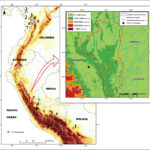
Rhinella kuka thrives in the lush, shadow-rich understory regions of South American rainforests, specifically concentrated within the Brazilian Amazon basin, in areas known for their dense foliage and damp earth—a paradise for moisture-dependent amphibians. They prefer habitats near the forest floor, skirting along the edges of streams, marshy depressions, and leaf-litter-rich landscapes, places where moisture is abundant, and humidity hovers reliably.
Within this verdant haven, Rhinella kuka displays a phenomenal attunement to its surroundings. It uses subtle cues from moisture levels, temperature, and even the textures of the forest floor itself to identify optimal locations for rest, feeding, and reproduction. Such habitats, moist and full of insect life, provide both ample food and safe breeding grounds essential to their survival.
An Intimate Connection with the Rainforest Floor#
Observations reveal this humble amphibian spends most daylight hours concealed within hidden corners in the thick leaf litter or beneath fallen logs. These quiet moments of rest aren’t passive—they form a crucial strategy for temperature regulation and predator avoidance. Within these leafy environs, Rhinella kuka has evolved coloration that perfectly mimics decomposing vegetation, a remarkable example of natural camouflage that makes them nearly invisible to predators and wildlife enthusiasts alike.
At night, Rhinella kuka becomes more active, gracefully hopping across the forest floor in pursuit of small insects and terrestrial invertebrates that form the bulk of its diet. Even during nighttime activity, this diminutive amphibian maintains remarkable camouflage—often the only giveaway to its presence being the faint rustling of leaves as it moves quietly through its shadowy territory.
Physical Characteristics#
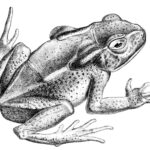
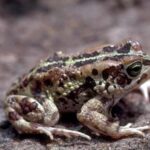
Physically speaking, Rhinella kuka is characteristic of many terrestrial toads yet possesses subtle nuances making it uniquely adapted to life among wet tropical leaf litter. Typically reaching lengths of approximately 4 to 6 centimeters, this species is modestly sized. Despite such seemingly unassuming stature, Rhinella kuka boasts adaptive features specialized for its rainforest environment.
The toad’s skin is heavily textured—bumpy yet resilient, providing both defense and hydration benefits. Its coloration generally ranges from earthy browns and muted grays to warm shades of olive, granting near-perfect camouflage amid fallen leaves and shaded soil. Intricate skin patterns subtly vary among individuals, sometimes exhibiting darker mottled blotches that further break the outline of their bodies, rendering them practically invisible once motionless.
Perhaps the most striking physical adaptation is the prominent paratoid glands behind Rhinella kuka’s eyes, which secrete defensive toxins when under threat. This chemical defense mechanism deters potential predators—a valuable tool in an environment teeming with hungry snakes, birds, and predatory mammals. While not fatal to larger predators, the toxins cause severe irritation—often ensuring the survival of these inconspicuous amphibians throughout their forest floor journeys.
Behavior and Life Cycle#
Nighttime behaviors of Rhinella kuka reveal a careful balance between cautious movement and efficient hunting. Once darkness falls, they engage in energetic foraging, primarily consuming small invertebrates such as ants, termites, small beetles, flies, and occasionally spiders. As opportunistic hunters, they display swift, calculated movements: an adept, flickering tongue extends in lightning-quick motions to snatch prey before it has the chance to escape.
Beyond feeding habits, the most intriguing behaviors emerge during breeding seasons, marked by rainy periods triggering choruses of gentle yet resonant calls throughout the forest floor. Male Rhinella kuka assemble in preferred breeding pools—small temporary ponds and sluggishly flowing streamside habitats—where their melodic calls rise and blend with the rainforest’s nocturnal symphony.
A Remarkable Journey from Tadpole to Toad#
Egg-laying typically occurs within these temporary aquatic habitats. Females deposit gelatinous clusters containing hundreds of tiny eggs, strategically placed within shallow water bodies protected by vegetation. This meticulous location choice helps minimize predation risks for vulnerable developing embryos.
Following hatching, Rana kuka’s tadpoles are highly adapted swimmers capable of rapid growth within their ephemeral habitats—developing swiftly over mere weeks before metamorphosing into small, terrestrial juvenile toadlets. At this transformative moment, these juveniles leave aquatic habitats and venture bravely onto the forest floor, beginning their lives as independent terrestrial beings—a moment fraught with peril but equally charged with determination and innate savvy.
Ecological Role#
Despite its modest size, Rhinella kuka plays an essential ecological role within its rainforest home. As both predator and potential prey, this toad species is critically tethered to the food chain, influencing insect populations through its dietary habits and providing sustenance for larger predators such as birds, snakes, and mammals. By controlling insect populations, Rhinella kuka aids in maintaining a balanced ecosystem, indirectly affecting soil health and plant growth.
Significantly, amphibians like Rhinella kuka are also considered valuable bioindicators, offering scientists insight into ecosystem health. Because of their permeable skin and ecological sensitivity, changes in their populations often signal broader environmental shifts—thereby serving as a living early warning system for conservationists worldwide.
Threats and Conservation Status#
As resilient as Rhinella kuka may seem, it finds itself increasingly threatened by habitat alteration and loss driven by deforestation, agriculture expansion, and climate change. The delicate interconnectedness between amphibians and their habitat makes Rhinella kuka particularly vulnerable, with even subtle alterations in rainfall patterns or moisture availability severely impacting reproduction and survival rates.
Currently, Rhinella kuka has not yet been formally assessed by the International Union for Conservation of Nature (IUCN), highlighting an urgent need for comprehensive biological and ecological studies on this species. Conservation organizations and researchers alike stress the importance of guarding critical habitats, advocating habitat preservation, promoting sustainable practices, and sustaining support for rainforest protection programs.
Cultural and Scientific Significance#
Traditional Amazonian cultures have historically revered amphibians like Rhinella kuka, symbolizing ecological balance and resilience. Folklore often reflects admiration for their vital contribution to the forest’s harmony. Scientifically, Rhinella kuka continues to interest researchers aiming to understand amphibian adaptations and chemical defenses better, possibly offering insights into new biochemical compounds with biomedical applications.
Conclusion: Celebrating Rhinella kuka, Advocating for the Amazon#
In knowing Rhinella kuka intimately, we appreciate more deeply not just its extraordinary adaptations, behaviors, and ecological roles, but also the importance of preserving the lush, interconnected habitats it calls home. Ensuring that Rhinella kuka continues to thrive demands broader conservation action and public engagement, encompassing preserving Amazonian ecosystems, facilitating research efforts, and fostering greater global awareness. By appreciating and protecting this humble rainforest toad, we safeguard an intricate web of life that sustains us all.