Oreophrynella huberi: Secrets of the Lost World’s Extraordinary Pebble Toad#
Perched atop the rugged plateaus of one of Earth’s most extraordinary landscapes lives an unassuming yet captivating amphibian, the pebble toad known scientifically as Oreophrynella huberi. Concealed within the mist-shrouded summits of Venezuela’s Tepui mountains, this small amphibian thrives in an environment so isolated it inspired Conan Doyle’s literary masterpiece, “The Lost World.” Indeed, the habitat that nurtures this fascinating creature feels trapped in time—an ancient refuge for species that seem to defy evolution itself.
One peculiar aspect of Oreophrynella huberi’s life has undoubtedly caught the attention of amphibian lovers and naturalists alike: its remarkable survival strategy. Unlike most frogs that leap for safety, this unique amphibian has adapted a seemingly clumsy but incredibly effective mode of escape—it curls into a tiny, hardened ball and simply rolls downhill. Nature rarely stumbles upon such extraordinary adaptations, making Oreophrynella huberi not just fascinating for scientists but a captivating symbol of evolutionary creativity to the broader conservation community.
Taxonomy and Classification#
Oreophrynella huberi belongs to the family Bufonidae, commonly known as true toads. However, unlike its more widespread relatives, it resides exclusively within the narrow genus Oreophrynella, a small group of species perfectly adapted to life atop isolated sky islands known as Tepuis. First described scientifically by Diego-Aransay in 1985, Oreophrynella huberi demonstrates evolutionary pathways distinct from other amphibians, shaped profoundly by geographic isolation.
This specialized genus includes only a handful of species, often separated not by great distances horizontally, but vertically—Tepuis present steep insurmountable walls of rock and isolation, forming evolutionary islands in the skies. Oreophrynella huberi, thus, finds its closest relatives on nearby Tepui summits, each species evolving in response to the unique ecological conditions of its specific plateau.
Natural Habitat#
A World Above the Clouds: Venezuela’s Tepui Plateaus#
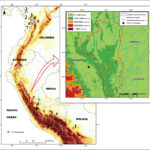
Oreophrynella huberi inhabits the forbidding and breathtaking landscape of the Chimantá Massif specifically, one of the rugged tabletop mountains (Tepuis) in southeastern Venezuela. Rising sharply from lower tropical forests, Tepuis are immense sandstone plateaus ringed by towering cliffs that create near-perfect isolation from the surrounding habitats. Each tabletop summit exists as an ecological island, a fertile ground for unique evolutionary processes akin to the Galapagos Islands.
Their summits, enveloped frequently in misty shrouds, harbor unique vegetation—patches of moss, dwarfed shrubs, carnivorous plants, and unique orchid species that colonize nutrient-poor rocky substrates. Oreophrynella huberi thrives in this sparse vegetation, often found concealed amidst pockets of bromeliads and moss-covered rocks. The amphibians favor humid microclimates, taking refuge in damp crevices, where moisture is in constant supply despite the barren landscape.
This curious habitat is precisely what has driven Oreophrynella huberi’s exceptional evolutionary adaptations. Limited available predators and unique ecological pressures created a space for astonishing evolutionary strategies, including the creature’s remarkable rolling behavior.
Physical Characteristics#
Tiny Yet Tough: The Anatomy of Oreophrynella huberi#
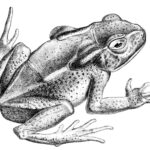
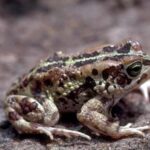
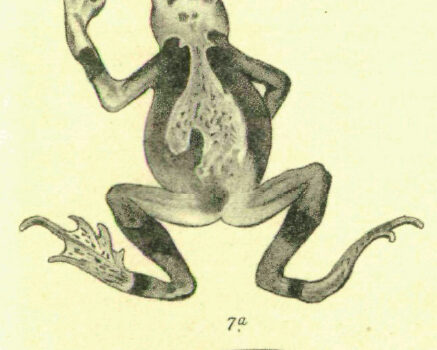
At first glance, Oreophrynella huberi may appear modest and unassuming—yet it boasts intricately developed adaptations. This species is notably small, typically reaching no more than two centimeters in length. Its compact and rugged body is characterized by a highly textured skin that closely resembles the rough sandstone and granitic pebbles of its habitat. This cryptic appearance provides remarkable camouflage, enabling the amphibian to blend seamlessly into surrounding rocks and vegetation, evading vigilant predators.
Unlike traditional frogs and toads with long legs adapted for powerful leaps, Oreophrynella huberi sports relatively short and sturdy limbs. Its toes are adapted for gripping moist, slippery surfaces, but they are not engineered for dramatic escapes via jumping. Instead, its limbs perfectly support a defensive mechanism few amphibians would attempt or even survive: balling itself up and tumbling down rocky inclines.
The Art of Tumbling: Defensive Adaptation#
Perhaps Oreophrynella huberi’s most intriguing physical adaptation is its ability to defensively tuck in its limbs and stiffen its body, transforming into a living pebble. When threatened—often by a tarantula, endemic snakes, or birds—it dramatically drops, bouncing harmlessly and rolling to safety. This escape method, startling and brilliant, utilizes the rugged yet flexible nature of its body to withstand impacts, maximizing survival chances in the harsh tepui terrain.
Behavior and Life Cycle#
Life Amongst the Clouds: Feeding Habits and Daily Routine#
Oreophrynella huberi leads a largely nocturnal existence, emerging during the cool, damp hours to hunt small invertebrates—primarily ants, mites, tiny beetles, and springtails scurrying amongst moss and vegetation. Its short, precise tongue is perfect for hunting in tight corners and tiny crevices, plucking small prey from their mossy hideouts with speed and accuracy.
Breeding and Parental Care#
The reproductive habits of Oreophrynella huberi, while little known, appear to adapt wholly to Tepui’s irregular water supplies. Breeding likely coincides with rainy periods, and the eggs are deposited within moist patches of moss, bromeliads, or damp crevices. Rather than producing abundant spawn to drift freely in pools or streams, Oreophrynella huberi appears to have evolved strategies where parental care or at least protective egg placements ensure a higher survival probability in unpredictable conditions.
Information on tadpole development specifically remains scarce due to challenging field study conditions, but related Oreophrynella species indicate brief tadpole phases or direct development from egg to froglet in moist terrestrial conditions, thereby avoiding dependency on standing bodies of water.
Ecological Role#
While diminutive in size, Oreophrynella huberi holds a disproportionately important role within its highly specialized ecosystem. By feeding primarily on small invertebrates, it effectively helps regulate insect populations, maintaining ecological balance within its alpine-like miniature world. In turn, the pebble toad itself provides food sources for resident predators endemic to these isolated highlands.
Additionally, Oreophrynella huberi serves as a potent indicator species, sensitive to environmental shifts such as climate fluctuation or habitat degradation. Changes in its population health or survival can raise early alarms about deeper, systemic ecological threats occurring even in these remote and seemingly protected habitats.
Threats and Conservation Status#
Oreophrynella huberi has been classified as Vulnerable (VU) by the International Union for Conservation of Nature (IUCN) primarily due to the restricted nature of its magnetic yet precarious mountaintop home. Although these remote Tepui ecosystems are largely inaccessible, they face growing challenges including climate change and potential habitat degradation from increased research tourism and unauthorized expeditions.
Climate change has been identified as perhaps the most insidious threat. Altered weather patterns disrupt moisture cycles, potentially drying out critical microhabitats. Any decline in available humidity directly endangers Oreophrynella huberi’s survival, underscoring the urgency of intensified monitoring and habitat protection.
Cultural and Scientific Significance#
The extraordinary habitats occupied by Oreophrynella huberi have fueled scientific discovery and cultural imagination alike. Its intriguing natural history has seeped into cultural consciousness—symbolizing resilience and adaptability. Scientifically, Oreophrynella huberi provides insight into evolutionary processes, adaptation, and survival in extreme environments, invaluable knowledge for evolutionary biologists and conservationists worldwide.
Conclusion: A Call to Protect Oreophrynella huberi#
The remarkable life of Oreophrynella huberi serves as a vivid reminder of nature’s ingenious adaptability and delicate balance. This tiny amphibian, rolling bravely over rocks on a lost world plateau, embodies not just evolutionary wonder but also vulnerability—its survival intricately tied to its pristine landscape. We must nurture deeper appreciation and protective measures for this exceptional species and its Tepui homeland. By doing so, we ensure the continuation of Earth’s most extraordinary stories—those of adaptation, resilience, and life thriving against all odds.