- Oreophrynella cryptica: Discovering the Secrets of the "Hidden" Toad of the Tepuis
- Introduction: The Enigmatic Toad of the Cloud Forests
- Getting to Know Oreophrynella cryptica: Taxonomic Insights
- The Magical Tepuis: Habitats of Isolation and Mystery
- Anatomy Built for Survival: Physical Characteristics of O. cryptica
- The Life and Times of Oreophrynella cryptica
- A Key Player: The Ecological Role of Oreophrynella cryptica
- Conservation Against the Clock—Protecting a Hidden Treasure
- A Cultural and Scientific Emblem
- Protecting the Cryptic Treasures of Our Planet
Oreophrynella cryptica: Discovering the Secrets of the “Hidden” Toad of the Tepuis#
Introduction: The Enigmatic Toad of the Cloud Forests#
Hidden among the misty summits and verdant plateaus of Venezuela’s famously remote tepuis lives a creature as fascinating as the legendary landscapes it calls home—a tiny toad with a name shrouded in mystery: Oreophrynella cryptica. Aptly named from the Greek word “kryptikos,” meaning hidden or secretive, this diminutive amphibian remains one of the most enigmatic creatures inhabiting South America’s sky islands.
Belonging to a genus renowned for surviving in astonishingly isolated ecosystems, Oreophrynella cryptica is more than just another amphibian—it is a testament to evolutionary ingenuity, thriving under conditions of extreme ecological and geographical isolation. First described scientifically in relatively recent times, this remarkably resilient creature captures the imagination, offering valuable insights into the extraordinary biodiversity sheltered within these remote table-top mountains—truly ecosystems lost in time.
Getting to Know Oreophrynella cryptica: Taxonomic Insights#
Oreophrynella cryptica belongs to the family Bufonidae, more commonly known as the true toads, a family distinguished by their characteristic parotoid glands and warty skin. Within this family, the genus Oreophrynella is itself a remarkable specialization, containing species uniquely adapted to high-altitude living atop the Venezuelan tepuis. First classified as its own separate entity due to its distinct morphological and genetic traits, O. cryptica demonstrates strong evolutionary divergences resulting from extreme geographical isolation.
Close relatives, such as Oreophrynella nigra and O. quelchii, similarly exemplify intense adaptations to life on these summit ecosystems. This adaptive diversification provides scientists valuable opportunities to study evolutionary biology in isolation-driven contexts, making O. cryptica a vital species for understanding evolutionary mechanisms that drive speciation and niche adaptation.
The Magical Tepuis: Habitats of Isolation and Mystery#
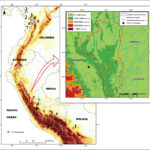
Oreophrynella cryptica makes its home amid the hauntingly beautiful cloud forests and rocky crevices of the tepui plateau region in southeastern Venezuela, particularly in areas surrounding Mount Auyán-tepui. Isolated from the lower-world by dramatic cliffs that rise vertically for thousands of feet, these mesa-like mountains embody biological islands, each with a distinct array of plant and animal life unique to its peaks.
Here, swirling mists cling persistently on dramatic rock outcroppings carved by eons of wind and water erosion. The habitats are cool, humid, and distinctly alien to lower altitudes, creating conditions perfect for moisture-dependent amphibians like O. cryptica. These toads prefer the wet pockets and crevices at elevations ranging between 1,800 and 2,600 meters above sea level, where the steep cliffs and damp depressions provide refuge from predators and climatic extremes.
Through patient observation, biologists discovered that despite harsh conditions—scarce food supplies, cooler temperatures, and nutrient-poor substrate—these islands in the sky host vibrant, resilient communities. Among them, Oreophrynella cryptica exemplifies adaptation, thriving in conditions where few other creatures venture, let alone flourish.
Anatomy Built for Survival: Physical Characteristics of O. cryptica#
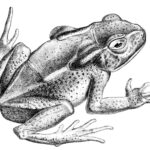
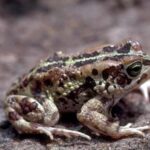
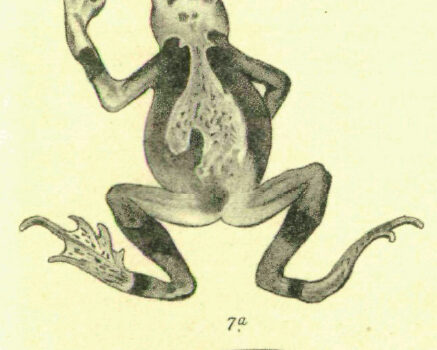
Oreophrynella cryptica’s appearance vividly symbolizes the raw beauty and rugged toughness of its mountain habitat. Small-bodied, measuring barely more than 2–3 centimeters in length, it sports robust limbs suited for powerful leaps and efficient climbing, crucial adaptations for a life spent navigating steep rock faces and precarious ledges. Its textured skin, characterized by rough tubercles and warty protrusions, integrates perfectly with its rocky surroundings, enhancing its camouflage.
O. cryptica typically displays an earthy tone palette ranging from slate-gray and brownish-green to charcoal-black, hues perfected across millennia for blending seamlessly into lichen-covered stones and damp mossy crevices. Not only does this coloration thwart predators, it also protects them from harsh ultraviolet radiation prevalent at such high altitudes.
Additionally, their short digits provide an impressive grip on slippery surfaces, helping them traverse a world of perpetual fog and shifting moisture—a testament to evolution’s genius in crafting species uniquely suited for their ecological niche.
The Life and Times of Oreophrynella cryptica#
Dining Amongst the Clouds: Diet and Predation#
Oreophrynella cryptica feeds primarily on small insects and microarthropods abundant in these moist ecosystems—including ants, mites, and small beetles. Its feeding technique involves stealth and rapid, precise movements. Due to the scarcity of resources atop the tepuis, these amphibians have evolved efficiency as their utmost priority.
Reproduction and Parental Strategies#
Life in extreme habitats necessitates equally remarkable reproductive strategies. During breeding seasons, typically aligned with periods of higher rainfall, males call from secluded humid crevices to attract females. Their calls, low trills that resonate subtly within rocky chambers, reflect intimate communication adapted precisely for rocky enclaves.
Females deposit small clutches of eggs, often placed in moist crevices or underneath moss cushions, guarding them vigilantly from potential predators and fungal growth. In this fiercely competitive ecosystem, successful parentage demands vigilance, careful site selection, and strategic concealment—skills at which O. cryptica excels. The resulting tadpoles are semi-terrestrial, rapidly developing into functional juveniles adapted to their aerial home within weeks, minimizing predation risks inherent in aquatic environments.
A Key Player: The Ecological Role of Oreophrynella cryptica#
Though mere centimeters in length, Oreophrynella cryptica plays an outsized ecological role atop the tepuis. As insectivores, these toads regulate insect populations, sustaining delicate balances within the isolated webs of life. Furthermore, they provide food to scarce predators existing in these harsh environments, embodying key links in nutrient cycles particular to these isolated ecosystems.
Beyond the immediate food-web, Oreophrynella cryptica acts as an indicator species. Highly sensitive to climatic fluctuations and environmental changes, their population health signals the overall stability of their delicate high-altitude ecosystems, making them invaluable to conservation biologists monitoring environmental perturbations and impacts of climate change.
Conservation Against the Clock—Protecting a Hidden Treasure#
Despite thriving for millennia in remote refuge, Oreophrynella cryptica faces unprecedented threats today, chiefly due to global climate disruption. Even these pristine mountain islands are not immune to warming temperatures and altered rainfall patterns, threatening amphibian survival by disrupting delicate ocular moisture balances, breeding cycles, and food availability.
The International Union for Conservation of Nature (IUCN) currently categorizes O. cryptica as Vulnerable, urging immediate conservation measures to mitigate anthropogenic impacts. Furthermore, potential risks from tourism and inadvertent invasive species introductions onto previously isolated habitats pose emerging challenges.
Conservation efforts thus focus on habitat protection, strict ecotourism management, and comprehensive research into climate resilience strategies to safeguard these vulnerable sky islands and their unique inhabitants.
A Cultural and Scientific Emblem#
Despite its remote habitat, Oreophrynella cryptica captivates scientists as a living testament to evolutionary resilience. Tepui fauna have inspired literature and folklore, symbolizing isolation-driven evolutionary creativity and life’s triumph amid extremes.
Biologically significant as sources of novel biochemical compounds, amphibians like Oreophrynella cryptica offer potential in pharmacological realms, hinting at undiscovered therapeutic and ecological secrets concealed within their hidden plateau worlds. Consequently, ongoing scientific exploration underscores ecological preservation’s broader value, linking conservation passion to scientific curiosity and concern for human welfare.
Protecting the Cryptic Treasures of Our Planet#
Ultimately, Oreophrynella cryptica exemplifies life’s remarkable adaptability, surviving isolated upon the world’s most inaccessible mountaintops. As climate change accelerates, our role becomes critical: understanding, documenting, and protecting these mysterious beings before their hidden world becomes irreversibly compromised.
Let O. cryptica inspire a renewed appreciation for biodiversity’s intrinsic value and compel action toward mindful ecological stewardship—so that species like the secretive cloud-mountain toad continue thriving in obscurity, respected, cherished, and defended.