- Introduction: Meet the Enigmatic Metaphryniscus sosai
- Taxonomy and Classification
- Natural Habitat: Life in High-Altitude Forests
- Physical Characteristics: A Master of Natural Camouflage
- Behavior and Life Cycle: The Hidden Lives of M. sosai
- Ecological Role: Small Frog, Big Impact
- Threats and Conservation Status: Fragility Amidst Change
- Cultural and Scientific Significance: Connecting Humanity to Nature
- Conclusion: A Call to Action for Metaphryniscus sosai
Introduction: Meet the Enigmatic Metaphryniscus sosai#
Hidden deep within the lush, often mist-enshrouded forests of South America lives an extraordinary amphibian—the Metaphryniscus sosai. Relatively unknown, yet captivating in every sense, this elusive frog embodies nature’s intricate balance between adaptation and ecological dependency. Scientifically classified within the Bufonidae family, Metaphryniscus sosai has long intrigued naturalists and herpetologists due to its secretive habits, subdued beauty, and remarkably specialized ecological niche.
Rarely encountered in the wild, its discreet existence underscores one essential truth: every creature, no matter how obscure, plays a significant role in maintaining the delicate equilibrium of our planet’s biodiversity. But what is particularly captivating about Metaphryniscus sosai—and what has led researchers to dedicate years of field studies to understanding this species—is its unique combination of resilience, adaptive physiology, and subtle charm.
Taxonomy and Classification#
At first glance, it might be easy to dismiss Metaphryniscus sosai as just another tropical frog. Yet a closer look reveals a remarkable complexity. The frog belongs to the diverse family Bufonidae, colloquially known as true toads, but distinguished from typical toads by its distinctive morphological and behavioral adaptations. Its genus, Metaphryniscus, is notable for the specialized adaptations its members developed to thrive in specific montane habitats.
Taxonomically classified as follows:
- Kingdom: Animalia
- Phylum: Chordata
- Class: Amphibia
- Order: Anura
- Family: Bufonidae
- Genus: Metaphryniscus
- Species: Metaphryniscus sosai
Close relatives within this genus and family exhibit similar secretive traits, though Metaphryniscus sosai stands apart due to specific morphological distinctions, behavioral traits, and particular habitat preferences, making it a valuable subject for conservation research and ecological study.
Natural Habitat: Life in High-Altitude Forests#
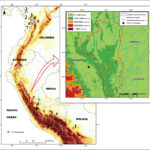
Metaphryniscus sosai thrives exclusively in unique ecosystems, primarily located within the elevated rainforests of northern Andes regions—Ecuador, Peru, and possibly parts of Colombia. Here, fog rolls hauntingly through dense, tangled canopies, dripping onto thick carpets of mosses and lichens. These cool, moisture-laden forests form the ideal environment for Metaphryniscus sosai, where high rainfall and perpetual cloud cover maintain a stable microclimate critical to their survival.
A Microhabitat Specialist#
Within these regions, the Metaphryniscus sosai is even more specialized, dwelling primarily in the leaf litter, moss layers, and rocky crevices of cloud forest floors. Due to their very particular environmental requirements, these frogs seldom roam extensively, generally living their entire lives within compact territories rich in their preferred microhabitats. They often blend so completely with their surroundings that they can quickly escape the notice of even the trained observer.
Physical Characteristics: A Master of Natural Camouflage#
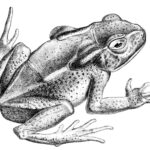
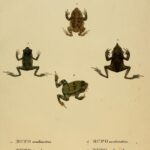
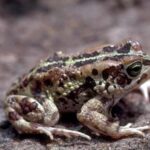
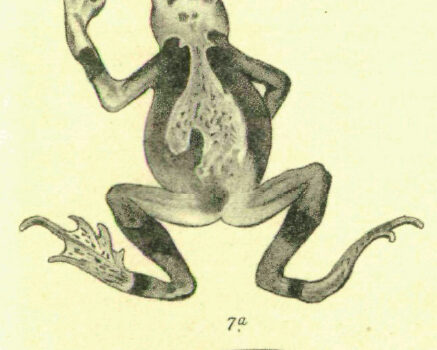
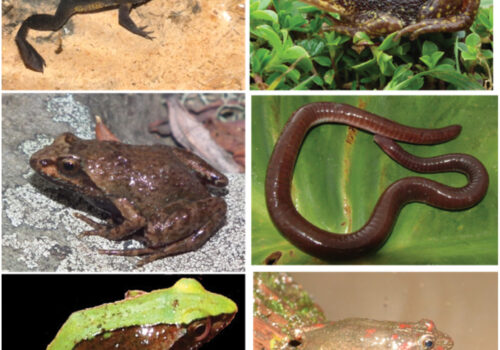
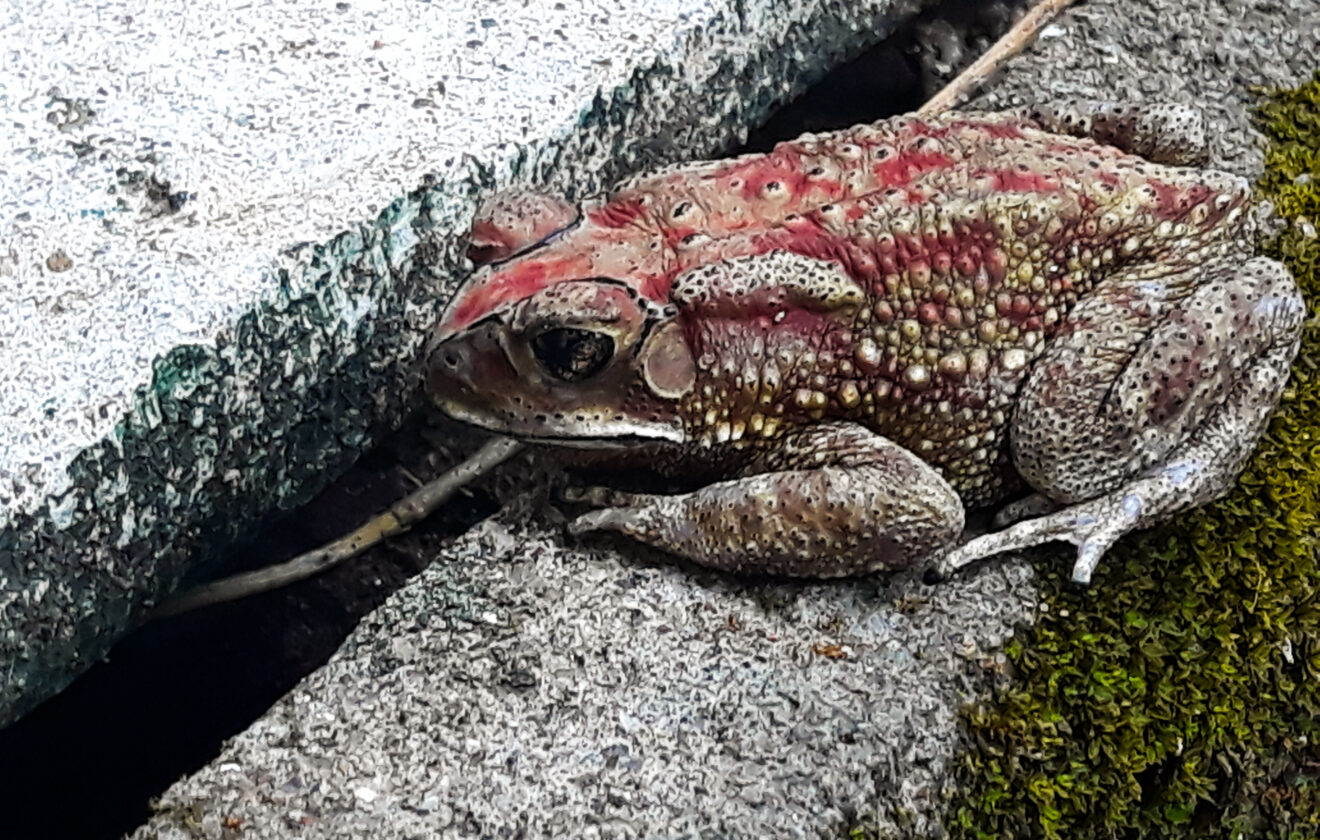
Metaphryniscus sosai is relatively small, typically reaching just 25–35 millimeters in length at adulthood. Its coloration varies subtly between shades of earth-toned browns, grays, flecks of mossy green, and even reddish-brown hues—perfectly adapted to match the moist moss and leaf debris of its forest-floor home. Skin texture corroborates this camouflage strategy, featuring small warts and roughness mimicking the uneven surface texture of its microhabitat.
Their adaptation extends beyond simple appearances. Their slightly flattened body structure, coupled with shorter hind limbs, enables this amphibian to conceal itself effectively even within shallow crevices and beneath fallen leaves and logs. These adaptations are crucial not only for concealment from predators but also help to manage moisture levels to avoid dehydration in their fluctuating humidity environment.
Behavior and Life Cycle: The Hidden Lives of M. sosai#
Metaphryniscus sosai exhibits primarily nocturnal behaviors. Avoiding activity during daylight hours, it emerges at night, cautiously traversing its small territory seeking tiny insects and arthropods. Utilizing adept visual senses and quick flicks of its short tongue, it deftly captures prey with quiet stealth. Like other Bufonidae members, its diet primarily consists of small invertebrates such as ants, beetles, spiders, and even the occasional earthworm found traversing leaf litter, thus playing a vital predatory role in its ecosystem.
Breeding Habits: A Secretive Affair#
Breeding season sees meticulously adapted mating behaviors that reflect their specialized habitat preferences. Males attract females through short, subtle calls—quiet enough to remain concealed from predators yet clear enough through thick vegetation to draw the attention of potential mates. Females lay their eggs in secluded moist crevices near ephemeral pools formed after rain showers. Tadpoles typically develop rapidly due to the unpredictable longevity of forest-floor pools, evolving quickly into fully terrestrial juveniles to survive the precarious nature of their changing environment.
Ecological Role: Small Frog, Big Impact#
Though small and secretive, Metaphryniscus sosai plays critical ecosystem roles. As predators of forest invertebrates, they support insect population control, preventing imbalance within their delicate microhabitat. Their presence or absence also signals environmental health, making them valuable ecological indicator species. The sensitive nature of these frogs to environmental shifts allows scientists insights into the health of regional ecosystems. Predators such as small mammals, reptiles, and birds also depend on them occasionally as food—albeit infrequently, due to their skilled concealment capacities.
Threats and Conservation Status: Fragility Amidst Change#
Unfortunately, Metaphryniscus sosai faces severe pressures primarily due to habitat loss and fragmentation from deforestation activities driven by agricultural expansion, logging, and infrastructure developments. Climate change further exacerbates these threats, altering rainfall patterns, elevating temperatures, and drying cloud forests—conditions catastrophic for moisture-dependent amphibians like Metaphryniscus sosai.
Currently listed on the IUCN Red List as Vulnerable (VU), conservation authorities continually evaluate population trends closely. Various ecological initiatives work tirelessly to protect habitats through legal preservation, sustainable forestry management practices, and environmental awareness campaigns. Amphibian-focused organizations and community conservation projects increasingly collaborate to mitigate threats, hoping to preserve these amphibians’ enigmatic presence.
Cultural and Scientific Significance: Connecting Humanity to Nature#
Locally, indigenous communities recognize Metaphryniscus sosai and similar frogs as indicators of healthy, undisturbed rainforest habitat, intertwining ecological and spiritual significance. Such perspectives amplify the importance of conservation, encouraging community-led habitat protections.
Scientifically, M. sosai provides valuable insights into biodiversity, adaptive evolutionary biology in montane biomes, and ecological sensitivity toward environmental disruptions. Researchers investigating these resilient frogs uncover clues regarding ecosystem functioning, climate impacts, and conservation planning strategies, ultimately facilitating broader efforts to protect biological diversity worldwide.
Conclusion: A Call to Action for Metaphryniscus sosai#
The captivating tale of Metaphryniscus sosai serves as a poignant reminder that even elusive, seemingly inconspicuous species occupy pivotal roles within ecosystems and conservation efforts. Preserving these frogs and their specialized habitats is crucial not only for maintaining biodiversity but also for sustaining the intricate web of life upon which humanity itself ultimately depends.
Whether through educating oneself and others, supporting habitat conservation charities, participating in biodiversity initiatives, or advocating for sustainable resource use, each person can contribute significantly to conserving enigmatic species like Metaphryniscus sosai. Our collective efforts today will decide whether future generations still find these charismatic, hidden amphibians thriving within mist-shrouded forests, quietly echoing nature’s timeless symphony.