The Forgotten Giant: Exploring the Remarkable Life of Rhinella nesiotes Frog#
Introduction#
Hidden deep in the mist-covered forests of northwestern South America, a creature often overlooked hops quietly along the leafy understory. Measuring barely the length of your palm and adorned in a mottled blend of brown and olive-green, the Rhinella nesiotes frog—the little-known inhabitant of subtropical wilderness—is both fascinating and remarkably essential to its ecosystem. Scientifically described as Rhinella nesiotes, this intriguing amphibian is part of the Bufonidae family, commonly known as true toads. Although relatively obscure and absent from popular wildlife documentaries, Rhinella nesiotes provides vital clues to ecological health and stability, quietly underscoring the profound interconnectedness of forest systems.
Did you know that Rhinella nesiotes translates roughly as “island-dwelling nostrils”? This curious name reflects certain anatomical features—their distinctive nostril positioning—that separate them taxonomically from their close relatives. Yet, their existence represents much more: a tale of adaptation, survival, and resilience amid increasing environmental pressure.
Taxonomy and Classification#
Rhinella nesiotes belongs firmly among the esteemed ranks of amphibians classified within the Anura order. Anura refers specifically to frogs and toads, characterized notably for their absence of tails in adulthood. Rhinella, its genus, encompasses an impressive diversity of species broadly known as true toads across Central and South America. They form part of the larger Bufonidae family, a classification well-known for its warty skin, toxin glands, and terrestrial habits compared to their smoother-skinned, more aquatic frog cousins.
Scientific identification of Rhinella nesiotes, first described and documented in the late 20th century, clarifies its distinction from closely related species. The naming reflects both morphological traits and geographic isolation: Rhinella nesiotes is somewhat isolated in distribution, evolving unique features due to limited gene flow with other toad populations. This comparative genetic isolation makes Rhinella nesiotes an intriguing subject of study, promising insightful discoveries into evolutionary biology and gene variation.
Natural Habitat#
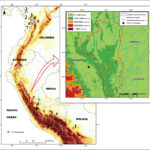
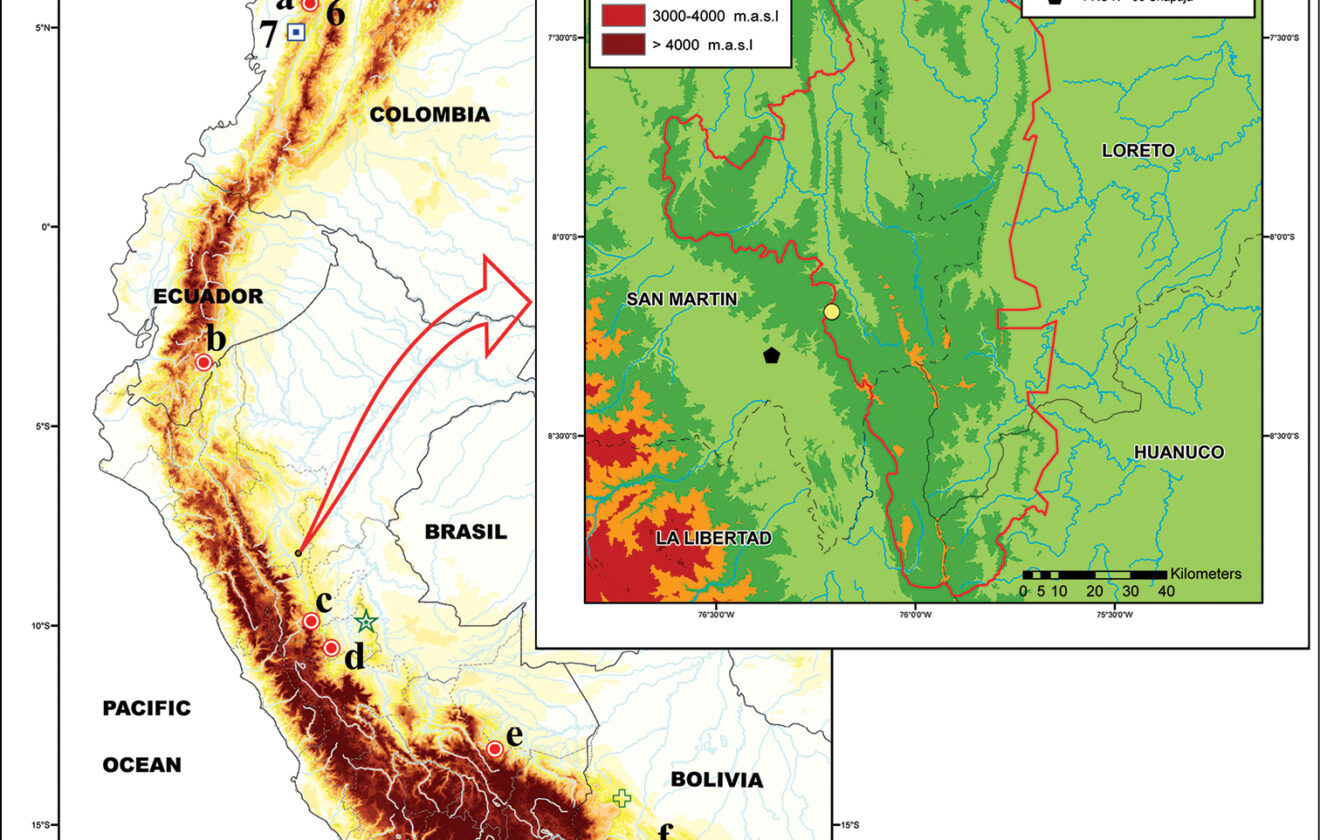
Stepping beneath the dense, intertwined canopy of northwestern South America’s subtropical and montane forests feels like entering another world entirely. These cool, humid environments are precisely where Rhinella nesiotes thrives. Their range is primarily limited to the highlands and moist forested regions of Andean slopes—places cloaked in perpetual mist, punctuated by the vibrant calls of myriad bird species, and fragrant with moss-covered vegetation.
Subtropical Sanctuary#
The ideal habitat for Rhinella nesiotes consists of moist leaf litter that carpets the forest floor. These layers of decomposing plant matter provide abundant hiding spots, protecting these toads from predators and the elements. Dense understory vegetation also affords unending shelter and hunting ground, while nearby slow-moving streams or seasonal pools support the toad’s reproductive requirements. Here, amid dense ferns and fallen logs, Rhinella nesiotes expertly navigates its surroundings, blending seamlessly into its humid domain.
For Rhinella nesiotes, the moisture-rich habitat is not just ideal—it’s vital. Amphibians like these are notoriously sensitive to changes in humidity and temperature. Rhinella nesiotes’ dependence on such specific forested habitats highlights the importance of preserving pristine ecosystems not just for amphibians, but for biodiversity as a whole.
Physical Characteristics#
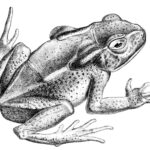
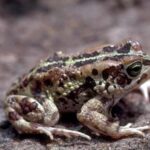
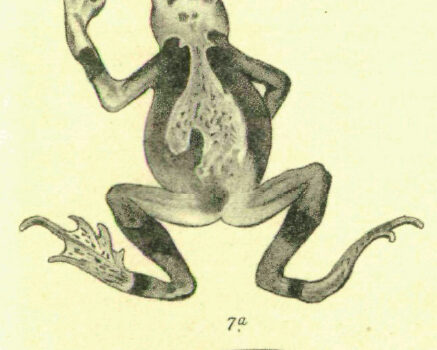
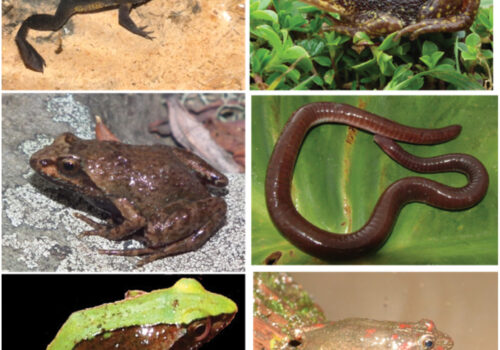
Observing Rhinella nesiotes up close, one cannot help but appreciate the subtler beauty of its intricate markings and specialized features. Unlike brightly colored rainforest poison dart frogs, Rhinella nesiotes is modestly cloaked in colors of earth and leaf. Brown, olive, green, and patches of tan blend harmoniously into a camouflage pattern ideal for a life amid fallen leaves.
Typically measuring between 4 and 6 centimeters in length, Rhinella nesiotes might appear unimpressive at first glance. Look closer, though, and one notices how remarkably adapted this species is. Its short yet powerful limbs are equipped to negotiate uneven terrain, aiding swift and precise hopping movements when evading predators or pursuing prey.
The skin texture—covered in minute warts and bumps—is not just an aesthetic curiosity. Each wart secretes potent mild toxins, providing a powerful defense mechanism against potential predators. Additionally, their prominent parotoid glands behind the eyes are specialized to deter would-be hunters, delivering bitter-tasting compounds strong enough to repel birds and mammals alike.
Behavior and Life Cycle#
Life unfolds at a leisurely yet deliberate pace for Rhinella nesiotes. Primarily nocturnal, their evenings resonate with subtle amphibian serenades designed to attract mates. Males gather at breeding sites near quiet pools or gentle streams, their melodic but soft calls resonating subtly through the forest air, subtly informing females of their readiness to reproduce.
The Dance of Courtship and Reproduction#
During mating season, typically coinciding with rainy periods in spring and early summer, females seek out males whose calls demonstrate strength, health, and secure territory. Following selection, the pair engages in amplexus—a reproductive embrace wherein the male grasps the female securely, fertilizing her eggs immediately as they are laid. A typical Rhinella nesiotes female produces strands or clusters containing hundreds of small black eggs enveloped in protective jelly, securing their eggs beneath submerged vegetation to safeguard them from predators and harsh environmental conditions.
Upon hatching, tadpoles quickly adapt to an aquatic existence. Feeding primarily on algae and detritus, they swiftly grow, progressing through remarkable morphological changes that culminate in metamorphosis. After several weeks, these newly emerged juveniles move onto land, completing a transformational journey exemplary of amphibian life cycles.
Ecological Role#
Like puzzle pieces completing a broader picture, Rhinella nesiotes occupies a significant niche within its ecosystem. Their diverse diet, including ants, beetles, spiders, and various insects, helps regulate insect populations and maintain ecological balance. As both predator and prey, Rhinella nesiotes is integral to food webs, feeding higher-order predators such as snakes, birds, and small mammals, further highlighting its ecological importance.
They also serve as essential indicators of environmental health. Amphibians, given their permeable skin and water-dependent development, are often the first to signal environmental distress. Declining populations of Rhinella nesiotes could reveal subtle problems like habitat degradation, pollution, or climatic shifts long before these disturbances are noticed elsewhere.
Threats and Conservation Status#
Presently, Rhinella nesiotes is classified by the IUCN Red List under the category of Near Threatened, primarily due to habitat loss. Logging, agriculture, and urban expansion have been systematically fragmenting and degrading forest habitats across their range, severely impacting Rhinella nesiotes populations by reducing breeding habitats and limiting their available resources.
Additionally, climate change exacerbates these threats, altering rainfall patterns essential for successful breeding events. Combined with exposure risks posed by agrochemicals and pollution entering streams and ponds essential for tadpole development, a previously resilient species now faces an uncertain future.
Fortunately, ongoing conservation initiatives have begun drawing increased attention to amphibian conservation. Establishing protected habitat corridors, limiting human intrusion, and promoting sustainable forestry practices are essential steps in safeguarding the survival of Rhinella nesiotes populations for future generations.
Cultural and Scientific Significance#
While Rhinella nesiotes may prominently feature less in folklore compared with certain brightly colored or highly poisonous frogs, its subtle charm and ecological value represent essential biodiversity that merits celebration. To local indigenous communities in some regions, amphibians represent important ecological indicators signaling changing forest conditions and weather patterns.
For scientists, Rhinella nesiotes is a treasure trove for learning about evolution, genetic isolation, ecology, and conservation management methodologies, making it an important keystone species in biological research.
Conclusion#
Though easily overlooked by the casual observer, Rhinella nesiotes symbolizes an incredible story of adaptation, survival, and ecological importance. By learning about this captivating species, we uncover pivotal insights into environmental conservation and ecological health. It’s a clear reminder of the interconnectedness we share with all living beings, even the smallest, most humble frog in the lush montane forests.
Let Rhinella nesiotes inspire your curiosity about the natural world, and encourage support for vital habitat preservation efforts. Together, through awareness, education, and conservation actions, we can ensure that the quiet croaks of the Rhinella nesiotes continue echoing softly across pristine mountain forests long into the future.