- The Enigmatic Rhinella mirandaribeiroi: Uncovering the Secrets of an Amazonian Jewel
- Taxonomy and Classification
- Natural Habitat: Life Within the Green Curtains of the Amazon
- Physical Characteristics: The Perfect Green Camouflage Artist
- Behavior and Life Cycle: Echoes from Moist Leaf-litter
- Ecological Role: Guardians of the Woodland Understory
- Threats and Conservation Status: Safeguarding a Hidden Jewel
- Cultural and Scientific Significance: Amphibian Insights into Our Environment
- Conclusion: An Amphibian Worth Protecting
The Enigmatic Rhinella mirandaribeiroi: Uncovering the Secrets of an Amazonian Jewel#
Nestled in the lush and mesmerizing landscapes of South America dwells a frog species so cryptic, yet profoundly important, that wildlife enthusiasts deem it a precious jewel hiding in the dense foliage of the Amazon rainforest. This amphibian, scientifically known as Rhinella mirandaribeiroi, embodies the breathtaking complexity of tropical biodiversity and intrigue. Though often overlooked by the casual observer, this frog plays an indispensable role in maintaining health and balance within its delicate rainforest ecosystem. Did you know that this elusive amphibian is named in honor of one of Brazil’s pioneering herpetologists, Alípio de Miranda-Ribeiro? Such an evocative tribute mirrors the remarkable nature of this creature, encouraging us to delve deeper into its quiet yet captivating world.
Taxonomy and Classification#
Understanding a species begins with its place among the vast tapestry of life’s biodiversity. Rhinella mirandaribeiroi is a member of the Bufonidae family—the true toads—renowned for their unique adaptations and resilience. Within this taxonomic family, it belongs to the genus Rhinella, a diverse group characterized by terrestrial habitats, elaborate defense mechanisms, and poignant vocalizations. Closely related to other notable South American species such as Rhinella marina (the infamous cane toad), Rhinella mirandaribeiroi nevertheless stands distinguished by subtle yet significant morphological and ecological differences.
Natural Habitat: Life Within the Green Curtains of the Amazon#
The verdant heartlands of Brazil, particularly the Amazon region, hold secrets at nearly every turn—among them, the specialized habitats of Rhinella mirandaribeiroi. Residing primarily in rich, primary lowland forests, this species exemplifies the intimate relationship amphibians share with their habitats. Its range primarily encompasses areas in Brazil’s Pará state, but it may extend to adjacent regions characterized by similarly dense forest biomes.
These frogs adore the moist microclimates found in the leaf-littered floors of humid, undisturbed forests and densely vegetated banks of small streams, where they blend effortlessly with fallen foliage. Through thousands of years of subtle evolutionary sculpting, Rhinella mirandaribeiroi has adapted exquisitely to its verdant environment. Its survival hinges upon the continued health and preservation of these habitats—making conservation efforts even more critical in the face of rapid deforestation.
Physical Characteristics: The Perfect Green Camouflage Artist#
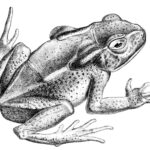
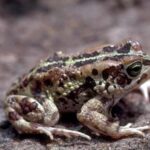
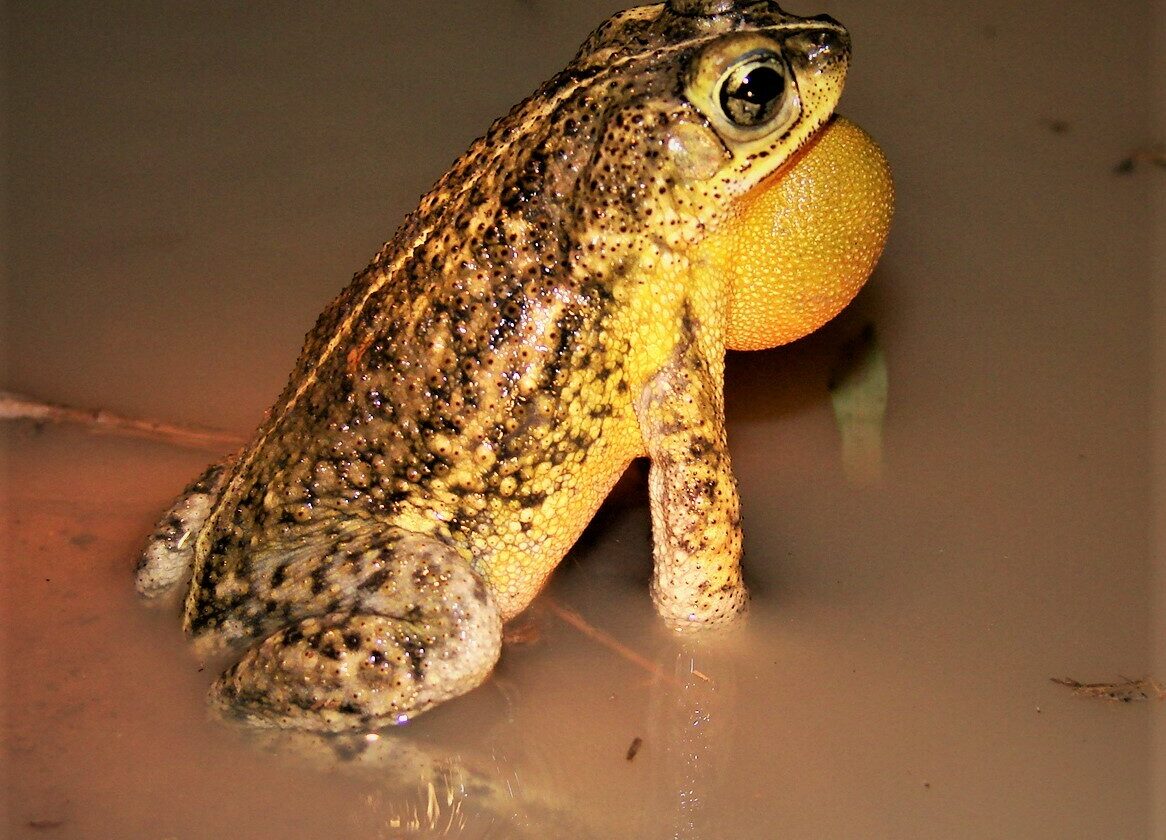
At first glance, Rhinella mirandaribeiroi may seem somewhat unassuming. This midsized amphibian typically measures between 40 to 65 millimeters in length, yet upon closer look, one encounters an exquisite mosaic of colors and patterns perfectly suited to its forest-floor existence. Its body color ranges from muted greens and browns to grays, particularly helpful in camouflaging itself against fallen leaves and moss-covered stones.
One striking adaptation exhibited by the species is its rough, granular skin punctuated by wart-like glandular structures, common to many Bufonidae species. This skin not only serves as camouflage but also acts as a critical mechanism of defense, exuding toxins that deter predators, thus ensuring survival amid a perilous tropical world. Perhaps equally notable is its rounded snout and relatively large eyes flecked with subtle hues of gold—eyes adept at detecting movement and danger in the dappled low-light environments of its home.
Behavior and Life Cycle: Echoes from Moist Leaf-litter#
Feeding Habits: An Opportunistic Forest Forager#
Like many forest-dwelling amphibians, this species adopts an opportunistic feeding strategy. Rhinella mirandaribeiroi regularly consumes a diverse diet dominated by insects, arthropods, spiders, small worms, and even smaller amphibians during rare instances. Its feeding activities contribute markedly to regulating insect populations within its habitat, highlighting the frog’s critical role in woodland ecology.
Breeding Rituals: Symphony Under Moonlight#
Rhinella mirandaribeiroi’s breeding habits reveal a gripping drama unfolding beneath the rainforest canopy. When the rainy season arrives, males descend from higher ground to gather near small streams and temporary rain-fed pools. Here, they begin a melodic symphony of breeding calls, each male attempting to out-sing the others in a stunning chorus reverberating through moonlit nights. Female frogs, selectively navigating these energetic breeding aggregations, deposit gelatinous strands of eggs neatly attached to submerged vegetation and rocks, guarded vigilantly by males against encroaching rivals and opportunistic predators.
The subsequent developmental stages underline the species’ impressive adaptation. After hatching, tadpoles swiftly adapt to aquatic life, undergoing rapid metamorphosis within weeks to months depending largely on seasonal rainfall and water availability. With time, they emerge transformed from pools and streams, completing a life cycle perfectly synchronized with the rainy seasons’ rhythms and the forest’s ecological heartbeat.
Ecological Role: Guardians of the Woodland Understory#
It is impossible to overlook the ecological web knitted around Rhinella mirandaribeiroi. Serving as both predator and prey, this species contributes to nutrient cycling, pest control, and provides sustenance for a multitude of predators such as birds, snakes, and larger mammals. Importantly, their presence also signals the ecological health and stability of habitat—a true amphibian “canary in the coal mine” whose survival underpins a balanced, healthy ecosystem.
Threats and Conservation Status: Safeguarding a Hidden Jewel#
As enchanting as the tropical forests of Brazil are, they are also regions of historic habitat loss and accelerating environmental pressures—a serious threat to Rhinella mirandaribeiroi. Although this amphibian species is relatively poorly studied and has not been thoroughly evaluated by the IUCN Red List, ongoing deforestation poses significant risks to its continued existence. Illegal logging, mining expansion, and agriculture encroachment all fragment and degrade habitat crucial to this species’ survival.
Another critical threat — climate change — further complicates matters, altering rainfall patterns, temperatures, and humidity levels that directly impact breeding periods, habitat suitability, and resource availability. Amphibians worldwide— sensitive indicators of environmental health—find themselves on precarious ground. Therefore, a deeper understanding and concerted conservation effort become vital to ensure Rhinella mirandaribeiroi’s long-term persistence. Actively protecting substantial forest reserves, implementing sustainable land practices, and fostering community-led conservation efforts will be essential steps in safeguarding this fragile species.
Cultural and Scientific Significance: Amphibian Insights into Our Environment#
Beyond ecological contributions lies a broader cultural and scientific significance. In Amazonian folklore and traditional knowledge systems, native amphibians, including species like Rhinella mirandaribeiroi, are often viewed as symbolic ambassadors representing transformation, fertility, and environmental equilibrium. Researchers, too, recognize their immense scientific value; amphibians serve as early biological indicators of environmental change, providing insights into local patterns regarding pollutants, water quality, and broader ecological shifts.
Conclusion: An Amphibian Worth Protecting#
At first hidden from sight yet deeply interwoven in its tropical ecosystem, Rhinella mirandaribeiroi beautifully illustrates the intricate and delicate balance of nature. As this amphibian gracefully traverses its leaf-laden paths and conducts symphonies under Amazonian skies, our perception of environmental stewardship deepens. We recognize not only the fragility of this specific species but also the rich tapestry of life it represents. In learning about Rhinella mirandaribeiroi, we understand our profound responsibility to cherish, protect, and sustain biodiversity’s intimate treasures alongside ecosystems that enable species small yet significant to thrive.
Now, more than ever, advocacy for amphibians like Rhinella mirandaribeiroi means environmental stewardship in its finest form. We encourage every reader to become involved in conservation efforts, learn more about these stunning creatures, and help safeguard their habitats for the future. Rhinella mirandaribeiroi quietly thrives, entrusted to our collective care — let’s nurture and protect this Amazonian jewel for generations to come.