- Poyntonophrynus jordani: Unveiling the Mysteries of Jordan's Toad
- Taxonomy and Classification: Tracing a Lineage
- Natural Habitat: Navigating Southern Savanna Life
- Physical Characteristics: An Amphibian Camouflaged by Design
- Behavior and Life Cycle: Harmonizing with Seasonal Rhythms
- Ecological Role: Guardians of Balance
- Threats and Conservation Status: Facing a Fragile Future
- Cultural and Scientific Significance: A Storied Amphibian Connection
- Conclusion: Safeguarding the Smaller Wonders of the Wild
Poyntonophrynus jordani: Unveiling the Mysteries of Jordan’s Toad#
Hidden amongst the rugged landscapes and vast savannas of Southern Africa, a small, cryptic amphibian lives quietly under the cover of night. Often overlooked but immensely fascinating, the aptly named Jordan’s toad, or Poyntonophrynus jordani, navigates a remarkable world of shifting conditions, elusive prey, and hidden dangers. Though diminutive in stature, this diminutive toad embodies both resilience and biological intrigue, serving as an ecological sentinel for scientists and conservationists alike. Join us as we delve deep into the life, habits, and conservation story of Poyntonophrynus jordani, shining a warm spotlight on a frog many have not yet had the privilege to truly understand.
Taxonomy and Classification: Tracing a Lineage#
To truly appreciate this toad’s place in the amphibian world, we start with its lineage. Jordan’s toad (Poyntonophrynus jordani) belongs to the family Bufonidae, commonly known as the true toads, a globally distributed amphibian group known for their characteristic warty skin and rounded appearance. Within this diverse family, the genus Poyntonophrynus includes several species that inhabit dry, savanna habitats in Sub-Saharan Africa.
The genus name Poyntonophrynus pays homage to renowned herpetologist John C. Poynton, whose extensive work advanced amphibian taxonomy and conservation considerably. The specific epithet jordani further commemorates Karl Jordan, a well-known zoologist who contributed notably to entomology and amphibian studies.
Natural Habitat: Navigating Southern Savanna Life#
Poyntonophrynus jordani is primarily found in Namibia and associated regions in Southern Africa, occupying dry savannas, rocky hillocks, and semi-arid shrublands. These environments are characterized by sparse rainfall, sandy and rocky substrates, sparse vegetation, and intermittent water sources. Adopting a subtle lifestyle well-suited to survival in harsh terrains, the Jordan’s toad skillfully exploits temporary pools and shallow streams that emerge following brief, seasonal rains.
A Life Adapting to Arid Conditions#
One might assume an amphibian dependent on moisture would struggle to exist in dry, arid regions, yet this species defies such limits. Adaptations to survive drought periods include burrowing into the earth or hiding beneath rocks to evade the dehydrating sunlight. During the infrequent rainy periods, these usually secretive toads emerge in large numbers, their chorus echoing across shallow ponds and transient water bodies, filling otherwise silent savannas with delightful melody.
These resilient amphibians are true habitat specialists. Their breeding and feeding cycles rhythmically align with brief windows of abundance, perfectly tuned to the erratic climate and ecology of their surroundings. In doing so, they play an indispensable role in the ecosystem, an unseen yet crucial dance choreographed by evolution itself.
Physical Characteristics: An Amphibian Camouflaged by Design#
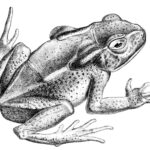
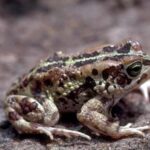
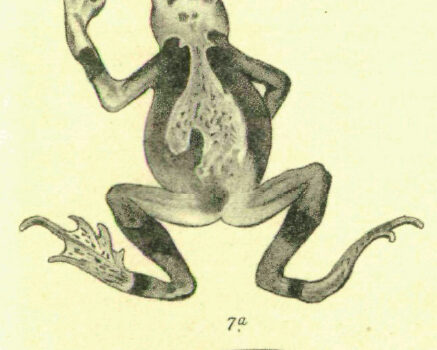
Measuring just around three to four centimeters in length, the Jordan’s toad is modestly sized compared to many of its amphibian cousins. But size is less a factor of survival; the key player here is camouflage. Its uniquely mottled skin—varying shades of brown, grey, olive green, and sandy beige—blend seamlessly with the terrain, providing exceptional stealth when evading predators or stalking prey.
Distinctive Markings and Cryptic Coloration#
A closer glance reveals intricate markings and patterns interspersed with small, wart-like glands across their backs. While these glands may appear merely decorative at first, they hold a more critical function—producing mild toxins that deter many potential predators. Though these toxins aren’t dangerously potent to humans, they impart Jordan’s toad a formidable defense mechanism against natural threats like snakes, birds, and small mammals.
The eyes of this toad are positioned subtly atop its head, glittering with a captivating, golden hue during the brief moments sunlight illuminates its refuge. Their eyes, sensitive to subtle movements and light fluctuations, play a significant role in prey detection in often pitch-dark conditions.
Behavior and Life Cycle: Harmonizing with Seasonal Rhythms#
Life in an environment so dependent on unpredictable rainfall demands a finely tuned lifestyle and reproductive strategy. Jordan’s toads epitomize adaptation by timing their entire lifecycle to match these transient environmental conditions.
Nocturnal Feeders and Seasonal Hunters#
Venturing out predominantly after dusk, this species preys on insects, small invertebrates, and arthropods emerging at night. Their visually guided hunting approach involves careful observation and sudden, precise strikes accomplished by a quick shoot of their sticky tongues. Remarkable patience and stealth govern their behavior, resulting in an ecological equilibrium that supports surrounding biodiversity and sustains population health.
Breeding Dynamics: A Symphony of Survival and Renewal#
Reproductive activities are temporally centered around rainy periods, when breeding males congregate near water bodies, their resonant calls forming rich choruses intended to attract females. These calls are surprisingly resonant for such small creatures, resonating beautifully across vast, tranquil savannas under cover of night.
After mating, females deposit strings of eggs at the edges of ephemeral pools, the survival of their offspring delicately balanced on the availability and longevity of water sources. Tadpole growth is astonishingly rapid, fitting the brief window before the returning drought. Within mere weeks, they metamorphosize into tiny juveniles—a rapid, incredible biological “sprint” to survive and perpetuate their lineage.
Ecological Role: Guardians of Balance#
Poyntonophrynus jordani assumes several pivotal ecological roles in its arid savanna ecosystem. Acting primarily as efficient predator control for insects and secondary prey for other wildlife, this tiny species helps to regulate insect populations, which contributes significantly to maintaining environmental equilibrium. Their presence is testimony to a balanced, healthy landscape, making their wellbeing and populations vital indicators of ecological health.
Threats and Conservation Status: Facing a Fragile Future#
Currently classified as Least Concern by the International Union for Conservation of Nature (IUCN), Jordan’s toad faces relatively fewer direct threats compared to many amphibians. However, the escalating impacts of climate change and habitat destruction remain concerning. Their vulnerability extends notably to changes in rainfall patterns due to global climate fluctuations and land degradation from human activities, such as agriculture and overgrazing.
The Growing Influence of Human-Induced Pressures#
Gradual habitat loss, pollution, and encroachment on their native habitats amplify environmental pressures. Moreover, urban expansion and associated infrastructures can fragment populations, isolating genetic pools and straining breeding opportunities. With environmental futures becoming increasingly unpredictable, safeguarding Jordan’s toad means protecting a unique and ecologically integrated lifestyle.
Cultural and Scientific Significance: A Storied Amphibian Connection#
Though lesser-known and seldom spotlighted in popular media, Poyntonophrynus jordani occupies special niches in biological research and ethnoecological narratives. Biologists value the toad as bio-indicators of ecological stress, measuring environmental changes and human impacts, while local folklore often highlights amphibians as symbols of renewal, endurance, and the significance of seasonal patterns of rains and cycles of life.
In scientific circles, studying these amphibians aids ecologists in understanding how small vertebrates adapt to extreme conditions. The resilience they demonstrate in arid habitats provides critical insights into animal adaptations, which can later inform broader conservation strategies and climate mitigation policies.
Conclusion: Safeguarding the Smaller Wonders of the Wild#
Hidden in plain sight, the humble Jordan’s toad demonstrates nature’s wonderful capacity for adaptation and survival. Its life journey—quiet, often unnoticed, but undoubtedly captivating—reminds us of the value and fragility of every living creature. Ensuring future generations have the privilege of knowing Jordan’s toad requires conscious effort, conservation awareness, and ongoing stewardship of the land upon which it depends.
We invite you, dear readers, not only to marvel at the natural beauty and resilience inherent in Poyntonophrynus jordani, but also to champion conservation endeavors helping protect this fascinating species. Your voice can help secure a conservation legacy—not just for Jordan’s toad, but for countless species surviving quietly, beautifully, just beyond our everyday gaze.