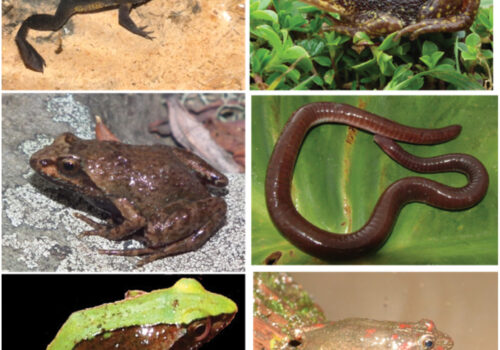
Poyntonophrynus hoeschi: Unveiling the Mysterious Hoesch’s Toad#
Introduction#
Beneath the vast star-speckled skies of Africa’s southern deserts, amid rocky outcrops and sparse vegetation, lives an inconspicuous but captivating amphibian known as Poyntonophrynus hoeschi—Hoesch’s Toad. Though small and humble-looking, this species holds within it intriguing biological adaptations, a key ecological significance, and hints of fascinating evolutionary processes that allow it to thrive in one of Earth’s most challenging environments.
First described scientifically by Ahl in 1934, Hoesch’s Toad has since charmed herpetologists and naturalists alike with its unique ability to flourish where water is scarce, and moisture fleeting. An adaptable survivor of extreme conditions, yet elusive enough to remain a puzzle, its biology and behavior invite a deeper exploration.
Taxonomy and Classification#
Poyntonophrynus hoeschi belongs to the Bufonidae family, often referred to as “true toads.” Within this family, the genus Poyntonophrynus comprises several hardy toad species adapted distinctly to arid and sub-arid climes. Named after Charles Koch Hoesch, a dedicated naturalist passionate about African fauna, Hoesch’s Toad finds sisterly relationships in species like Poyntonophrynus fenoulheti and Poyntonophrynus lughensis, all sharing evolutionary histories shaped by their demanding habitats.
Accurate classification plays a critical role in conservation management. In unraveling close-ranged evolutionary ties and distinguishing these subtle species from one another, researchers ensure targeted conservation approaches and appreciation of unique ecological adaptations.
Natural Habitat#
Geographic Distribution#
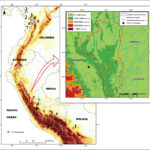
Hoesch’s Toad occurs predominantly in southwestern Africa. It thrives primarily in Namibia and has been spotted frequently in the harsher landscapes between the Namib Desert fringes and inland savannah grasslands. Occasionally, populations range into neighboring Angola and Botswana, though core populations remain Namibian natives.
Habitat Preferences#
This species displays a remarkable affinity for semi-desert environments, especially areas where rocky streams, ephemeral rivers, and dry flatlands intersect. It carefully selects microhabitats with sufficient moisture retention, such as shallow rock depressions, crevices, and patchy shrubs—areas shielded from UV radiation and extreme daytime temperatures.
Hoesch’s Toad has finely adapted to exploiting transient pools formed by sporadic rains. These unique pools become rich havens for breeding purposes. Its preferred habitats are often stark yet striking landscapes of gravelly plains and gullies, punctuated by scattered bushes, short grasses, and distinct rock formations.
Physical Characteristics#
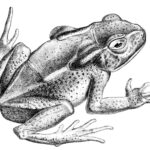
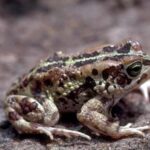
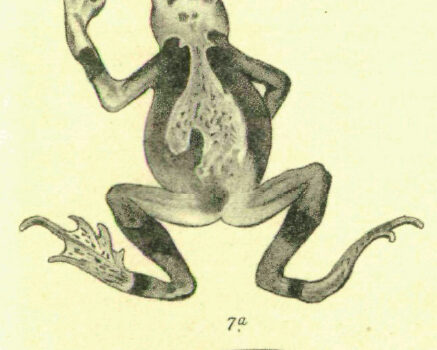
Upon first glance, the Hoesch’s Toad may appear unassuming, blending seamlessly into its surroundings. Typically small—rarely exceeding 4 centimeters—its physique is sturdy, compact, and roundish, adapted specifically for water conservation. The robust limbs and rounded body emphasize short-burst mobility and burrowing capabilities rather than prolonged jumps or extensive movements.
Their coloration serves superb camouflage. A mosaic of earthy browns, sandy beige, and muted olive creates an efficacious yet compelling cryptic patterning, blending flawlessly into desert sands and rocky ground. This cloaking of subtle desert hues is not merely decorative; it’s crucial for predator avoidance and survival. Upon closer inspection, its textured skin reveals intricate, undermined patterns, wart-like glands, and dry surface texture—physiological adaptations that significantly minimize water loss in its arid environment.
Behavior and Life Cycle#
Feeding and Hunting Behaviors#
Their nocturnal nature sees them emerging at dusk to forage. Insects such as beetles, ants, termites, and various arthropods constitute their primary fare. Equipped with sharp vision adapted for low-light conditions and sensitive taste receptors, Hoesch’s Toad carefully tracks prey, executing brief but efficient lunges to capture its meal. Its hunting behavior often involves patient waiting near places attractive to insects, such as blooming vegetation and occasional puddles following rains.
Breeding and Reproduction Cycles#
Short rainy seasons provide a critical window in Hoesch’s Toad life history. After rains saturate the soil, males promptly congregate around temporary water-filled depressions, initiating a resonant chorus of mating calls that punctuate quiet desert nights. Their melodic trills gather females, signaling the onset of a brief reproductive frenzy in an otherwise quiet domain.
Females quickly proceed to deposit strings of gelatinous eggs submerged in these ephemeral pools. Tadpole development is swift and highly synchronized—an evolutionary necessity amidst unpredictably drying pools. Within weeks, delicate juvenile toads appear, actively seeking moisture-retaining refuges to continue their growth and maturation away from harsh dryness.
Ecological Role#
In their habitats, Hoesch’s Toads are unsung ecological heroes. As insectivores, they significantly contribute to regulating insect populations, including pest species. Their presence translates to stability within food webs, underpinning the complexity of desert ecosystems and directly and indirectly benefiting other wildlife reliant on similar diets or insect prey.
Their small size and vulnerability also position them as pivotal prey species for desert predators, including various reptilian and avian hunters. Thus, Hoesch’s Toad sustains essential trophic exchanges, maintaining the delicate balance that defines life amidst arid hardship.
Threats and Conservation Status#
Currently assessed by the IUCN Red List as “Least Concern,” Hoesch’s Toad populations, fortunately, face no immediate extinction threat. Yet such complacency may be misguided, as desert habitats around the globe confront increasingly severe pressures—habitat fragmentation through agriculture, mining, infrastructure expansion, and global climate disruptions directly threaten these uniquely adapted populations.
Drought severity and reduced precipitation frequencies significantly threaten their catalyzed breeding cycles. Without reliable rainfall cycles, successful reproduction dwindles, potentially collapsing populations rapidly. Sustainable land management and habitat conservation emphasize proactive preservation to avoid future threats.
Cultural and Scientific Significance#
For local inhabitants, Hoesch’s Toad symbolizes the resilience and adaptive beauty within seemingly barren lands. Though not vastly referenced in indigenous lore compared to larger amphibian kin, its seasonal calls mark the arrival of rains and usher new life, holding subtle cultural symbolism as an indicator of ecological health cycles.
From a scientific perspective, studying its remarkable physiological and behavioral adaptations presents invaluable insights into biological resilience. Scientists reading into Hoesch’s Toad adaptation strategies deal with evolutionary lessons applicable elsewhere—crucial knowledge needed as global climate conditions increasingly mimic arid extremes.
Conclusion: Preserving the Wonders of Hoesch’s Toad#
While modestly sized, Poyntonophrynus hoeschi quietly exemplifies nature’s extraordinary capacity for survival and adaptation. As humanity moves forward, often reshaping Earth drastically, small creatures like Hoesch’s Toad become symbols not just of ecological health, but also of our ability to learn from nature’s innate resourcefulness.
Now better understood scientifically, conservationists and enthusiasts alike must advocate greater protections for desert and semi-desert ecosystems—and the intricate web of biodiversity thriving within. By preserving Hoesch’s Toad and its uniquely challenging habitats, we celebrate and safeguard life’s resilience—prompting each one of us to become custodians of nature’s incredible adaptability and wonder.
Let the humble song of Hoesch’s Toad, encapsulating the spirit of Africa’s rugged wilds, inspire us to appreciate, conserve, and share these tiny but vital beings’ stories. Together, our awareness and action will help ensure this species continues its delicate yet persistent dance within nature’s tapestry for generations to come.