- Poyntonophrynus fernandae: The Fascinating World of Fernanda's Toad
- Taxonomy and Classification of Poyntonophrynus fernandae
- Natural Habitat: The Subtle Charm of Fernanda's Abode
- Physical Characteristics: The Beauty of Subtle Adaptation
- Behavior and Life Cycle: Gentle Harmonies within Harsh Conditions
- Ecological Role: A Quiet Guardian of Ecosystem Balance
- Threats and Conservation Status
- Cultural and Scientific Significance: Stories Beyond the Toad
- Conclusion: Appreciating and Protecting Fernanda's Toad
Poyntonophrynus fernandae: The Fascinating World of Fernanda’s Toad#
Hidden away on the fringes of Africa’s vibrant ecosystems, the shy and elusive Fernanda’s Toad (Poyntonophrynus fernandae) continues its quiet existence largely unnoticed by all but the most dedicated observance. Its unique ways, mysterious nature, and remarkable endurance have made it a captivating subject for both scientists and nature enthusiasts alike. Rarely grabbing headlines like more charismatic megafauna, P. fernandae offers an intimate glimpse into subtle yet essential ecosystem dynamics, yielding lessons in survival, adaptation, and conservation.
Taxonomy and Classification of Poyntonophrynus fernandae#
Fernanda’s Toad belongs to the amphibian class within the diverse and intricate world of toads and frogs (Order: Anura). Its scientific identity, Poyntonophrynus fernandae, places it firmly within the Bufonidae family, commonly referred to as “true toads.” Known for their dry, warty skin and prominently placed parotoid glands, true toads have established their evolutionary niche across numerous habitats worldwide. Within this vast family, Fernanda’s Toad shares its genus, Poyntonophrynus, with several other African “pygmy toad” species, characterized by their small size and cryptic, subtle coloration.
The genus designation “Poyntonophrynus” pays tribute to the esteemed British herpetologist John C. Poynton, whose extensive research into African herpetofauna advanced our understanding of amphibian biodiversity significantly. Poyntonophrynus fernandae, therefore, not only represents part of Earth’s biological richness but also symbolizes scientific discovery and taxonomic dedication.
Natural Habitat: The Subtle Charm of Fernanda’s Abode#
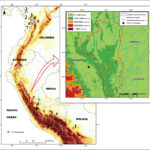
Fernanda’s Toad boasts a rather restricted geographic distribution, primarily found within specific regions in Angola and Namibia. Preferring semi-arid savannahs and subtropical dry shrubland, this elusive species is adapted to thrive in habitats that alternate between periods of dryness and short-lived watery abundance. Rather uniquely among toads and frogs that rely heavily upon permanent watery habitats, Poyntonophrynus fernandae leads a life tuned to the rhythm of intermittent rains, seasonal streams, and temporary ponds.
Within these environments, the species exhibits impressive adaptability and cryptic behavior. Often spending daytime hours concealed under rocks, fallen logs, or burrows, Fernanda’s Toad emerges primarily during the cooler night-time or wetter periods to forage, mate, and call to potential partners beneath star-lit African skies. Understanding these environmental preferences helps explain their limited distribution and highlights vulnerability amid a rapidly changing world.
Physical Characteristics: The Beauty of Subtle Adaptation#
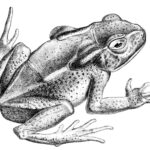
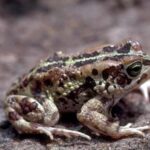
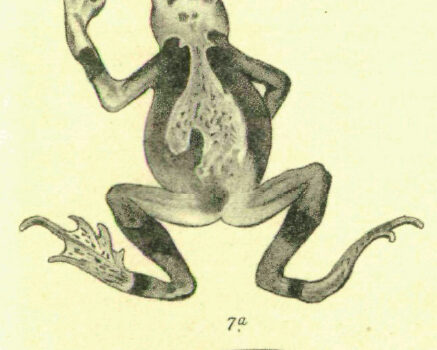
At first glimpse, Fernanda’s Toad may not appear dramatically different from other small-bodied African toads—but closer inspection reveals fascinating nuances. Averaging around 2.5 to 4 centimeters in length, the species exhibits considerable sexual dimorphism, with females often slightly larger than males. Their body shape is stocky and sturdy, typical of Bufonidae, allowing them efficient locomotion through leaf litter, debris fields, and tight burrows.
Their coloration, an elegant blend of earthy browns, grays, and subdued beige, allows these toads to blend effortlessly into their surroundings, disappearing seamlessly into fallen foliage and rocky outcrops. This camouflage serves dual purposes: providing protection from predators and enabling ambush predation on unsuspecting prey. Moreover, characteristic warty skin acts as a defensive mechanism, their prominent glands secreting mild toxins as an effective deterrent to would-be predators. Truly, Fernanda’s Toad exemplifies nature’s efficiency—an animal evolved to flourish discreetly yet effectively in a challenging environment.
Behavior and Life Cycle: Gentle Harmonies within Harsh Conditions#
Feeding Behaviors and Diet#
Like all Bufonids, Fernanda’s Toad is an opportunistic predator, skillfully feeding mostly upon small terrestrial invertebrates. It hunts through patient ambush or brief, rapid lunges toward its prey, using its sticky, projectile-like tongue to swiftly capture insects such as beetles, ants, termites, and small spiders. Its nocturnal lifestyle significantly influences feeding behaviors, as cool nights facilitate greater prey activity and richer hunting opportunities.
Breeding, Courtship, and Development#
With the first rains signaling renewal, Fernanda’s Toads burst to life in spectacular but subtle choruses echoing quietly through the night. Males produce a distinctive mating call—a gentle, intermittent trill—that draws prospective partners for mating rituals. Courtship involves a male mounting the female in amplexus, securely holding onto her until ovulation prompts egg deposition in shallow, temporary pools formed by recent rains.
Eggs hatch into tadpoles within days, developing rapidly in an ephemeral aquatic environment. Their quick metamorphosis—often under a month—is a crucial adaptation, vital for species continuity due to an unpredictable availability of water sources. Upon emerging from the water fully formed as juvenile toadlets, these young amphibians swiftly shift toward terrestrial habitats, adopting adult behavioral patterns that have served the species generation upon generation, a delicate yet resilient cycle set within nature’s ebb and flow.
Ecological Role: A Quiet Guardian of Ecosystem Balance#
Though diminutive in size, Poyntonophrynus fernandae plays an essential role within its ecosystem. Serving both as predator and prey, Fernanda’s Toad helps regulate populations of insects and other small invertebrates, contributing directly to maintaining ecological equilibrium. Simultaneously, toads provide nourishment to various larger predators including snakes, birds, and small mammals, intricately weaving into food web dynamics.
Furthermore, amphibians like Fernanda’s Toad act as bioindicators, sensitive to environmental shifts and degradation. Their population health signals wider environmental changes affecting its delicate semi-arid habitat, providing crucial insights to conservationists aiming to preserve biodiversity hotspots susceptible to climate change and human activity.
Threats and Conservation Status#
Despite its secrecy and resilience, Fernanda’s Toad faces several conservation challenges. Habitat loss, primarily through agricultural expansion, urbanization, and deforestation, dramatically reduces suitable areas for breeding and foraging. Additionally, extended drought periods, driven by climate change, threaten critical seasonal bodies of water essential for reproduction.
As of the latest assessments by the International Union for Conservation of Nature (IUCN), this species holds a status of “Least Concern,” primarily due to its wide distribution and presumed stable populations. Nonetheless, the rapid pace of habitat degradation means conservation strategies such as habitat preservation efforts, monitoring programs, and education campaigns advocating sustainable land management are imperative interventions.
Cultural and Scientific Significance: Stories Beyond the Toad#
While Fernanda’s Toad may not share the limelight with charismatic wildlife icons, it maintains significance within local communities. Across much of Africa, amphibians historically occupy prominent roles within folk traditions, representing rain, renewal, and transformation. Although explicit references particular to P. fernandae remain scarce, the existence of a small, resilient toad adapted to unpredictable rains surely echoes cultural themes of resilience and adaptation deeply rooted within indigenous wisdom.
Scientifically, P. fernandae has contributed to ecological research, especially focusing on amphibian adaptations to arid conditions. Insights derived from studying its ability to survive long, dry periods and to synchronize its lifecycle with unpredictable rains inform discussions about climate resilience not only within herpetology but also broader ecological and environmental science.
Conclusion: Appreciating and Protecting Fernanda’s Toad#
Poyntonophrynus fernandae, the quietly remarkable inhabitant of Africa’s unpredictable dry habitats, exemplifies nature’s incredible adaptability and delicate balance. Safeguarding this diminutive toad transcends merely protecting one species; it symbolically represents preserving intricate relationships and hidden marvels within ecosystems. As readers, students, or conservation advocates, embracing the story of Fernanda’s Toad means celebrating the understated wonders of nature, championing biodiversity, and advocating passionately for the lesser-known species whose quiet lives collectively underpin the living tapestry of our shared planet.