Poyntonophrynus dombensis: A Closer Look at an Unsung Amphibian Wonder#
Nestled quietly within the sun-warmed savannas and rocky landscapes of southern Africa lives a curious amphibian few have heard of, yet whose ecological role and captivating behaviors paint a telling portrait of nature’s resilience and adaptation. Meet Poyntonophrynus dombensis, an unsung hero of subtropical ecosystems and a fascinating representative of toads that thrive under the often harsh conditions of their native habitats. With its distinctive markings and remarkable adaptability, this diminutive amphibian weaves a rich, yet understated narrative about biodiversity, conservation, and scientific intrigue waiting to enchant both seasoned naturalists and everyday wildlife enthusiasts.
While perhaps not flamboyantly colored or dramatically vocalized, the quiet charm of Poyntonophrynus dombensis lies within its subtle beauty and tenacity. Notably, this amphibian possesses a unique ability to flourish in conditions that challenge many other vertebrate species, a true testament to evolutionary ingenuity. But what truly are the secrets behind this little-known toad? Let us explore the fascinating story of Poyntonophrynus dombensis, the understated yet vital amphibian contributing quietly yet profoundly to its ecosystem.
Taxonomy and Classification#
Commonly known as the Dombe pygmy toad, Poyntonophrynus dombensis falls within the family Bufonidae—a group widely recognized for the familiar toads inhabiting environments across the globe. Originally described by Bocage in 1895, this species occupies its own subtle niche among closely related members of the genus Poyntonophrynus, characterized by their petite forms, pronounced parotoid glands, and resilient behaviors suited to challenging climates.
Genetic analyses place this species comfortably within a genus celebrated for remarkable adaptations to arid climates and seasonal droughts. Other members of this group, such as Poyntonophrynus fenoulheti and Poyntonophrynus vertebralis, similarly share their environments across southern Africa. However, each tells its story in uniquely adapted ways, with the Dombe pygmy toad revealing subtle yet intriguing differences in shaping its survival strategies and evolutionary path.
Natural Habitat#
A Landscape of Resilience#
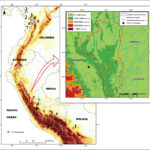
Inhabiting the warmer savanna biomes and rocky outcrops stretching across Namibia, Botswana, Zimbabwe, and parts of southwestern Angola, Poyntonophrynus dombensis has adapted remarkably well to environments prone to great seasonal fluctuations. Here, grasslands meet scattered scrubland, punctuated by granite outcroppings and patches of sandy, dry terrain. Summer rains create ephemeral, shallow water sources critical to this amphibian’s lifecycle.
The Dombe pygmy toad’s habitat represents a truly dynamic landscape, characterized by alternating climatic extremes. During blistering dry seasons, the landscape becomes parched and challenging, yet the amphibians’ astonishing adaptation lies in their remarkable drought resistance. Experiencing scorching daytime temperatures and chilly star-filled evenings is part and parcel of their existence, yet within these stark realities, Poyntonophrynus dombensis thrives in seemingly inhospitable corners.
After seasonal rains, this fair-weather amphibian emerges from subterranean shelters where it has skillfully tucked itself away amidst the moisture-rich soil and rocky crevices. Using shallow pans and puddles created by the rains, the Dombe pygmy toad rapidly capitalizes on fleeting opportunities to breed and replenish populations—a precise ecological choreography intimately tied to southern Africa’s rains.
Physical Characteristics#
Nature’s Subtle Masterpiece#
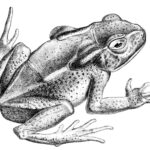
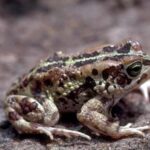
The Dombe pygmy toad, just barely surpassing a modest maximum length of around 30 mm, is indeed a miniature marvel. Its compact size belies impressive adaptations tailored for its challenging habitat. A rich tapestry of browns, greys, and subtle hues of olive covers its rough-textured body, allowing the animal to blend seamlessly into dry leaf litter, rock-strewn ground, and patchy grasses. The unassuming yet sophisticated camouflage drastically reduces vulnerability to predators, making it nearly invisible when resting motionlessly on the ground.
Characteristic of bufonids, rounded, bead-like glands distribute across their skin surface, secreting mild toxins that further ward off would-be predators. Particularly pronounced are their paired parotoid glands behind the eyes, designed to quickly dissuade predators if camouflage alone fails. Large golden-brown eyes sit prominently atop their heads, offering a wide field of view beneficial for predator detection while spending considerable time motionless or partially buried.
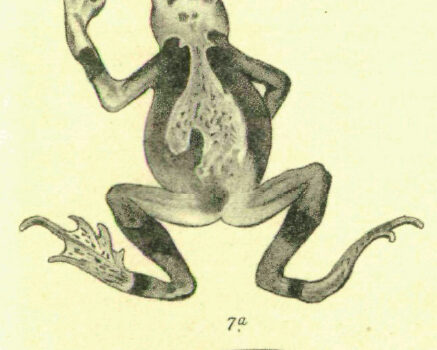
The limbs, muscular yet compact, are beautifully adapted for rapid burrowing and quick hopping when danger presents itself. Their hind legs display strong muscles capable of impressive short-distance hops—efficient at navigating uneven ground, loose sand, or fragmented rocky terrain. These physical attributes contribute decisively to their survival, carefully adapted over millennia of ecological trials.
Behavior and Life Cycle#
An Opportunist’s Dance with Nature#
Witnessing the breeding journey of Poyntonophrynus dombensis is akin to observing nature’s precise timing and patience. These amphibians remain underground much of the year, emerging only when significant rains arrive. Upon returning to the surface world, overstimulated by soil moisture and rain sounds themselves, males congregate around ephemeral rain-fed pools, vocalizing gently buzzing mating calls to attract females. This brief event, timed exquisitely to natural cycles, is central to their survival.
Females join the chorus after choosing suitable partners, laying gelatinous strands of eggs amidst shallow, temporary pools of warm rainwater. Tadpoles hatch in mere days, quickly acclimating to their unstable aquatic homes. Feeding voraciously on algae and organic debris, these industrious larval forms efficiently exploit the fleeting window of seasonal abundance. Remarkably, the entire tadpole-to-toad metamorphosis occurs swiftly—sometimes in a matter of weeks—to ensure juveniles mature before their ephemeral sanctuaries vanish under the relentlessly drying sun.
Adult Dombe pygmy toads rely extensively on ants, termites, beetles, and other small arthropods, thriving off insects prevalent throughout their seasonal habitats. Their highly opportunistic diet further underscores the species’ adaptability—an amphibian adept at taking advantage of momentary bounties provided generously by their resilient ecosystem.
Ecological Role#
The quiet existence of Poyntonophrynus dombensis conceals its profound ecological significance. As consumers of insects and arthropods, they play consequential roles in regulating local invertebrate populations, balancing the delicate relationships that sustain ecosystem health. Interestingly, these pygmy toads also become an important food source, supporting various snake species, birds, and other predators. Thus, they embody an essential link in the trophic web often glossed over by casual observation yet invaluable in ecosystem stability.
Moreover, scientists and ecologists prize amphibians like Poyntonophrynus dombensis as indicators of environmental health. Their permeable skin makes these amphibians particularly vulnerable and responsive to environmental contaminants, granting biologists a reliable ecological barometer for habitat integrity assessments.
Threats and Conservation Status#
According to the International Union for Conservation of Nature (IUCN), Poyntonophrynus dombensis bears a conservation status of Least Concern due to currently stable populations across relatively wide distribution ranges. Yet, complacency in conservation can quickly shift circumstances, as potential threats remain poised on fragile environmental ledges.
Habitat destruction, due mostly to expanding agriculture and intensified livestock farming, increasing human settlement, and climate change, poses invisible threats behind this seemingly thriving population. Drought intensification and unpredictable rainfall patterns attributed to climate change are particularly troubling, disrupting delicate breeding cycles shaped by centuries of evolution. Therefore, continued monitoring and active habitat preservation become paramount in securing long-term future stability for their delicate populations.
Cultural and Scientific Significance#
While perhaps not steeped in widespread folklore, local communities often regard amphibians fondly as symbols of renewal and seasonal change. Scientifically, their adaptive strategies contribute significantly to our understanding of ecological resilience in seasonally-challenging environments—valuable lessons amidst a changing climate.
Conclusion#
Poyntonophrynus dombensis threads itself quietly yet indispensably through the intricate web of southern Africa’s biodiversity. Understanding, appreciating, and protecting this tiny yet resilient amphibian means safeguarding ecosystems rich in untold beauty. Appreciating their adaptations encourages us toward stewardship, reminding us of the quiet importance held within subtler creatures often overlooked yet impressively adapted—a call to respect and conserve every facet of our shared natural world.