Secrets of the Jungle Guardian: Exploring the Fascinating World of Phrynoidis juxtasper#
Hidden within the dense foliage and emerald undergrowth of Southeast Asia’s tropical forests, a humble yet remarkable amphibian dwells unnoticed by most eyes. Known scientifically as Phrynoidis juxtasper, the Giant River Toad may, at first glance, appear as nothing more than a rugged, moss-covered stone resting comfortably near forest streams. But look closer, and a fascinating tapestry of adaptation, ecological contentment, and evolutionary brilliance emerges. This elusive frog species is not merely another creature hopping in obscurity; it is an ecological cornerstone, a guardian whose subtle presence underscores the fragile beauty of our planet’s biodiversity.
Join us as we delve deeply into the captivating story of Phrynoidis juxtasper, exploring its secretive life, crucial role in its ecosystem, and the challenges this remarkable amphibian faces. Welcome to the hidden world of one of Southeast Asia’s most fascinating jungle inhabitants.
Taxonomy and Classification#
The Giant River Toad, formally identified as Phrynoidis juxtasper, belongs to the family Bufonidae, commonly known as “true toads.” This family is well-known for its diverse species possessing wart-covered skin, short hind limbs adapted primarily for walking rather than swift leaping, and, for some, potent skin toxins as a deterrent against predators.
The genus Phrynoidis, to which it belongs, consists of robust and distinctively rugged-looking toads adapted to tropical, moist environments across Southeast Asia. Previously classified under the genus Bufo, taxonomic studies have firmly placed this species in the current genus, recognizing its distinct morphological and ecological characteristics.
Taxonomic clarity isn’t merely academic—it emphasizes the uniqueness of this species, spotlighting the subtle but essential distinctions that highlight the intricate webs of life evolutionarily crafted over millennia.
Natural Habitat#
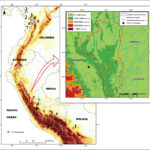
Phrynoidis juxtasper occupies lush, protected tropical rainforests spanning parts of Indonesia, Malaysia, and southern Thailand. It thrives predominantly along clean, meandering riverbanks, mountain streams, and slow-moving forest waterways where dense vegetation forms shaded canopies. These ecosystems provide the ideal balance of humidity, temperature stability, plentiful food sources, and abundant refuge from predators.
Picture a gently flowing stream, murmuring softly through a maze of thick roots, moss-covered rocks, and delicate ferns. Sunlight filters gently through layers of towering trees, casting scattered rays onto the forest floor, alive with the movement and soft croaks of amphibian life. Here, nestled amidst the damp shadows, the Giant River Toad finds solace, camouflaged effortlessly against its rugged backdrop—from riverbanks to damp leaf litter and forest debris.
This preference for stable, unpolluted forest ecosystems makes the species a vital indicator of the health of its habitat, alerting researchers and conservationists to the impacts of human disturbance long before they become visible.
Physical Characteristics#
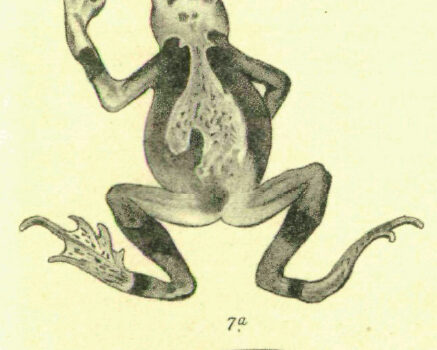
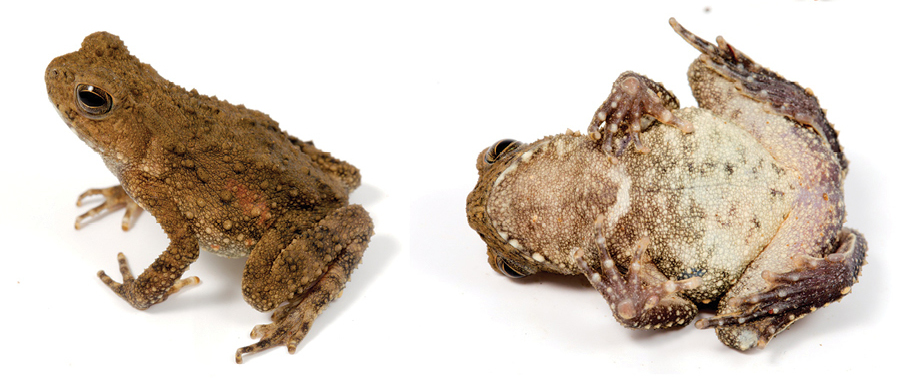
To the untrained eye, Phrynoidis juxtasper may appear dull, perhaps even unattractive—with a body that seems to blend seamlessly into muddy banks and grey-green river stones. However, it is precisely these physical characteristics that reveal evolutionary ingenuity.
Size and Appearance#
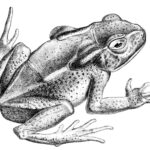
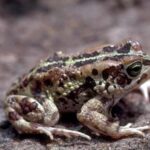
Measuring approximately 10 to 17 centimeters in length, the Giant River Toad is significantly larger than many related toad species, lending it the name “giant.” Its stout, muscular body is enveloped in a thick, warty skin that varies in color, from dull brown and greyish olive to shades tinted faintly with green and ochre, providing ideal camouflage among damp leaves and moss-covered stones.
The intriguing, knobby texture of its skin, characterized by pronounced cranial ridges, granular warty growths, and irregular lumps, harmoniously mirrors the patterns of its surroundings—artistic mimicry that allows it to evade predation and ambush its prey discreetly.
Adaptive Features#
Apart from camouflage, the skin glands secrete mild toxins unpleasant to predators. While not lethal to humans, these secretions act as a strong deterrent to natural predators, ensuring the frog’s survival through chemical defenses.
Its large, webbed hind feet provide proficiency in navigating aquatic terrain, seamlessly moving from land into water. This amphibian’s modest, short jumps—far removed from the acrobatic leaps of other rainforest peers—highlight a methodical, stealthy lifestyle ideally suited to its surroundings.
Behavior and Life Cycle#
The Giant River Toad is a predominantly nocturnal amphibian, emerging cautiously from its concealed hideaways when moonlight gently bathes its forest habitat. Under cover of darkness, these toads engage in essential behaviors vital for their survival and reproduction.
Feeding Habits#
Phrynoidis juxtasper thrives as an opportunistic feeder, its diet ranging from insects such as beetles, ants, butterflies, and even arachnids, to occasionally catching small vertebrates. Patiently waiting within close proximity of running water, they masterfully leverage their camouflage to ambush unsuspecting prey entering their striking range.
This patient hunting strategy exemplifies energy conservation—each movement calculated, deliberate, and economical. While it can occasionally actively pursue prey, more frequently, it capitalizes upon ambush and surprise.
Breeding and Development#
During rainy seasons, subtle murmurs turn into vocal choruses—the males emitting distinctive, rhythmic mating calls resonating within humid stretches of forest streams. These acoustic signals, carefully attending to sound frequencies, lead receptive females to secluded breeding pools, where courtship and pairing occur.
The female deposits gelatinous strings of eggs underwater, the stream carefully nurturing these embryonic lifeforms as they develop into aquatic tadpoles with specialized mouths suited to scraping algae and detritus from submerged surfaces. Over several months, the agile tadpoles undergo spectacular morphological transformations, eventually emerging onto land as miniature versions of their fully terrestrial parents.
Ecological Role#
Embedded seamlessly within their tropical forest ecosystem, the Giant River Toad is influential in maintaining delicate ecological balances. As both predator and prey, these amphibians are integral components of complex rainforest food webs.
By controlling insect populations, including pest species, amphibians like Phrynoidis juxtasper contribute directly to forest health. Simultaneously, they serve as essential food for reptiles, mammals, and larger avian predators that depend upon their abundance for nutritional variety.
Moreover, their sensitivity to environmental disturbances makes them crucial bio-indicators—a species whose well-being can directly signal the forest’s overall health, guiding researchers toward timely intervention and conservation measures.
Threats and Conservation Status#
Currently, the International Union for Conservation of Nature (IUCN) categorizes Phrynoidis juxtasper as Least Concern, reflecting that its populations remain stable throughout much of its range. However, this is no cause to become complacent.
The greatest threats facing these amphibians arise from habitat destruction, notably through logging, agricultural expansion, infrastructure development, and pollution of waterways. Additionally, global climate change, coupled with disease outbreaks such as chytridiomycosis—an emergent fungal threat among amphibian populations worldwide—poses unknown risks potentially capable of rapid escalation.
Local conservation initiatives emphasizing habitat preservation, protected areas establishment, responsible tourism, and community education collectively form critical early responses to preserve the habitats these unique creatures call home.
Cultural and Scientific Significance#
Within local cultures, Phrynoidis juxtasper often exists quietly, symbolic of adaptability and peaceful coexistence with nature. Indigenous communities value the amphibian for its role in signaling water purity and ecosystems’ vitality—a revered guardian of forest environments.
Scientifically, research into the species’ ecological role, behavior, and chemical defenses offers valuable insights into ecosystem management, bio-indicator strategies, and potential exploration of Asian amphibian toxin compounds with pharmacological significance.
Conclusion#
From its distinctive physical traits, sophisticated ecological adaptations, and steadfast role within vibrant rainforest ecosystems, the Giant River Toad’s story symbolizes the hidden treasures of our planet’s incredible biodiversity. Understanding and valuing species like Phrynoidis juxtasper echo our responsibility to protect fragile ecosystems, ensuring that future generations continue to experience the vibrant, mesmerizing abundance of Earth’s wildlife.
Take time to appreciate, respect, and advocate for amphibians like this enigmatic jungle guardian—an ambassador whose existence subtly yet powerfully emphasizes the irreplaceable value of our living world.