- Nymphargus caucanus: The Enchanting Glass Frog of Colombia's Hidden Streams
Nymphargus caucanus: The Enchanting Glass Frog of Colombia’s Hidden Streams#
As night descends upon Colombia’s humid cloud forests, an intricate, melodic chorus rises gently from dripping moss-covered branches and mist-veiled streams. Amid the symphony of nocturnal nature, one tiny amphibian emerges as a magical, almost spectral performer: Nymphargus caucanus, a glass frog whose translucent beauty and delicate charm have captivated field biologists and nature enthusiasts alike.
Known scientifically as Nymphargus caucanus, this ethereal amphibian embodies the wonders of Colombia’s rich biodiversity. Hidden away in misty pockets of Andean forest, these creatures spend their lives delicately perched among the leaves overlooking streams. Perhaps most intriguingly, their semi-transparent abdominal skin reveals a glimpse into internal organs, heartbeats, and visceral functions—an adaptation as mysterious as it is mesmerizing.
Step gently, for the journey into the world of Nymphargus caucanus is as delicate and enchanting as the creature itself—where observation blends with wonder, science dances with storytelling, and conservation intertwines with appreciation.
Taxonomy and Classification#
Nymphargus caucanus belongs to the family Centrolenidae—widely known as glass frogs—a group distinguished by their transparent underbellies and arboreal lifestyles. Within this extensive family, it sits comfortably within the genus Nymphargus, one of several genera characterized by subtle but distinctive morphological traits, genetic signatures, and nuanced behaviors that create a compelling puzzle for taxonomists.
First described scientifically in 2008, Nymphargus caucanus echoes an ever-expanding scientific appreciation of glass frogs, creatures celebrated not only for their appearance but their ecological significance, genetic diversity, and conservation value. Closely related species include other members of genus Nymphargus, many of which occupy similarly fragile habitats in remote cloud-forest regions. The continual refinement in taxonomic identification among these handsome frogs demonstrates the vibrant, ongoing dialogue linking field researchers with molecular biologists—each hiding snippets of ecological history and glimpses of evolutionary stories fermented in the misty forests.
Natural Habitat#
A Land Shrouded in Mist: Geographic Range and Distribution#
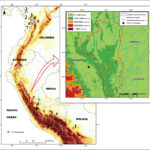
The home of Nymphargus caucanus is narrow and distinct, restricted primarily to the lush forests of the western Colombian Andes. Inhabiting moderate altitudes between approximately 1700 to 2000 meters above sea level, the species weaves its existence into the very fabric of cloud-soaked, moisture-rich habitats along steep valleys traversed by meandering streams.
Streamside Sanctuaries: Habitat Preferences#
Imagine stepping into the heart of Colombia’s cloud forests—dense tree canopies thick with epiphytes and dangling ferns, vegetation beaded with perpetual dew, and delicate arteries of clear-flowing streams carving their path. Here, Nymphargus caucanus carves out a specialized niche. They choose elevated perches on leaves directly overhanging these streams, a carefully chosen vantage point that ensures security, nourishment, and reproduction success.
Such pristine, moisture-rich ecosystems provide the temperature stability and humidity crucial to their survival. Streams represent life—not only as breeding grounds and sites of embryonic development, but as steady sources of freshwater, shade, and insect prey. A delicate equilibrium defines their environment, highlighting how intimately bonded the species is to these fragile micro-habitats.
Physical Characteristics#
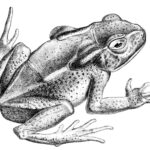
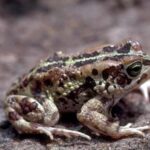
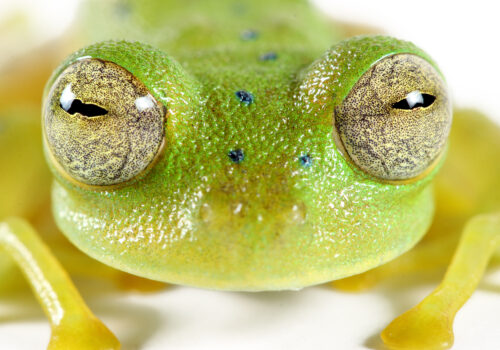
A sensory delight awaits observers fortunate enough to spot this diminutive frog. Mature Nymphargus caucanus frogs typically measure around 20 to 25 millimeters in length—mannerly in size but immense in charm. They exude grace, perched quietly among streamside vegetation as if carved out of fine glass. Upon closer inspection, one notices the truly magical aspect: translucent skin covering their ventral surfaces provides unobstructed views into their internal organs—heart, liver, intestines—gifting observers a living window into amphibian biology.
The dorsal coloration varies slightly from shades of pale green to emerald, often peppered sparsely with minute yellowish or whitish spots. Such artistry isn’t simply beautiful; it’s a key to survival. Their subtle colors and gentle patterning provide camouflage, seamlessly merging into surrounding foliage—defense mechanisms honed elegantly by evolution.
Large, expressive eyes bulge slightly from their faces, adapted perfectly for nocturnal life and acute detection of movement in low-light environments. Sticky, expanded toe pads further tell the tale of their arboreal lifestyle, granting them mastery over slippery leaves and branches.
Behavior and Life Cycle#
Lifestyles in the Shadows: Feeding Habits and Movement#
Nymphargus caucanus awakens as twilight fades into night, their gentle voices joining a chorus that fills the forest. Insectivorous in nature, these small predators gracefully hunt insects and arthropods attracted by forest moisture, skillfully launching short, precise leaps from their perches. They serve as silent guardians against insect overpopulation, thus maintaining their streamside ecosystem’s environmental balance.
An Elegant Dance of Reproduction#
Breeding habits provide a striking illustration of nurturing and adaptive behaviors central to their survival. Males gather around streamside foliage, although often individually spaced, initiating serenades designed to attract females. These courtship melodies, emitted mostly during humid rainy nights, represent subtle acoustic signatures carefully attuned to attract potential mates across the gentle murmurs of flowing streams.
Upon locating partners, females deposit gelatinous egg clusters onto secure, leaf-bound surfaces just above flowing water—an evolutionary strategy finely tuned to protect offspring from aquatic predators yet still ensure proximity of water-dependent tadpoles.
Remarkably, male Nymphargus caucanus may undertake parental roles, standing guard against potential predators or dehydration threats to eggs. Upon hatching, tadpoles drop safely into streams beneath, where their life cycles continue, a testament remarkably demonstrating the circle of amphibian life as shaped by evolutionary pressures.
Ecological Role#
Every organism in the tangled web of tropical ecosystems influences its surroundings. Despite their subtle presence, the ecological contribution of Nymphargus caucanus is substantial, serving both as predators controlling insect populations and as prey enriching biodiversity chains, helping sustain a mosaic of birds, snakes, small mammals, and larger frogs that intercept their delicate routes.
Their sensitivity to environmental change and exact preferences of habitat also conditions them as ecological indicators. Population changes or declines in glass frogs often warn researchers and conservationists of biological disruptions—such as climate shifts, water pollution, or habitat degradation—long before problems accumulate into larger, irreversible ecosystem collapses.
Threats and Conservation Status#
Pressures on Paradise: Facing Habitat Loss and Climate Uncertainty#
The beauty of delicate habitats is also their vulnerability. For Nymphargus caucanus, deforestation, habitat fragmentation and conversion into agricultural zones represent looming threats that could drastically reduce viable habitats for breeding and foraging. Rapid urban expansion and unsustainable logging practices within the Colombian Andes surrounding their habitat continuously threaten fragile ecological balances.
Climate change exacerbates these concerns, altering rainfall patterns and cloud forest humidity vital for the species’ survival. While specific population counts remain elusive, ongoing habitat degradation strongly suggests concerns for their long-term stability. At present, they inhabit a narrow ecological band, limiting their natural adaptability options and compounded further by small, isolated populations.
The International Union for Conservation of Nature (IUCN) categorizes Nymphargus caucanus as “Data Deficient,” noting limited information but cautioning about potential risks given habitat-specific and geographically restricted characteristics.
Cultural and Scientific Significance#
While modest in size, the glass frogs bear substantial weight in cultures deeply intertwined with nature. Indigenous communities within Colombia’s Andean forests look upon glass frogs as symbols of forest health and spirituality, indicators of environmental purity.
Scientifically, the translucent skin and unique reproductive behaviors of Nymphargus caucanus inspire numerous ecological and evolutionary studies, enhancing our understanding of sensitive montane ecosystems and highlighting climate change impacts on niche-specific wildlife.
Conclusion: Protecting Nymphargus caucanus, Preserving Biodiversity’s Magic#
To learn about Nymphargus caucanus is to glimpse nature’s fragile interconnectedness, to appreciate poignant evolutionary adaptations and, ultimately, to embrace a responsibility toward protecting these hidden gems of biodiversity. By supporting effective conservation efforts and sharing knowledge, we champion the survival of the delicate glass frog whose existence symbolizes both the vitality and vulnerability of Earth’s wildlife.
May the subtle songs and translucent beauty of Nymphargus caucanus continue charming generations to come—a humble, magical ambassador for the rich, marvelous realm of global biodiversity.