- Cochranella ramirezi: Discovering the Enigmatic World of Ramirez's Glass Frog
- Taxonomy and Classification
- Natural Habitat of Cochranella ramirezi
- Physical Characteristics and Unique Adaptations
- Behavior and Life Cycle of Ramirez's Glass Frog
- Ecological Role of Cochranella ramirezi
- Conservation Status: Facing the Challenges Ahead
- Cultural and Scientific Significance
- Conclusion: Preserving Nature’s Transparent Treasures
Cochranella ramirezi: Discovering the Enigmatic World of Ramirez’s Glass Frog#
Hidden amidst the lush, emerald foliage of Central and South America’s rainforests, a creature so delicate, translucent, and mesmerizing exists that seems conjured from nature’s imagination itself. The Ramirez’s Glass Frog (Cochranella ramirezi), an amphibian of exquisite fragility and charm, enchants biologists and nature enthusiasts alike with its unique transparent skin and fascinating natural history.
Imagine glimpsing the heartbeat of an animal through its clear underside, observing the subtle dance of blood vessels or organ movements beneath living tissue—an intimate view into the extraordinary adaptations of amphibian evolution. Such is the everyday marvel of encountering the remarkable Cochranella ramirezi, a diminutive yet profoundly fascinating species deeply woven into the fabric of forest ecology.
Taxonomy and Classification#
The Ramirez’s Glass Frog belongs to the family Centrolenidae, a captivating group of amphibians known collectively as glass frogs because of their characteristically translucent abdominal skin. Initially described scientifically by herpetologist Taylor in 1952, Cochranella ramirezi sits within the genus Cochranella, known for numerous elegant, small-bodied frogs inhabiting neotropical regions.
Closely related species share similar translucent characteristics and arboreal habits, yet Cochranella ramirezi maintains several unique traits and behaviors, granting it special recognition among amphibian researchers and naturalists alike.
Natural Habitat of Cochranella ramirezi#
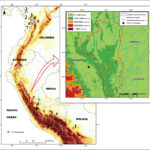
Venture into the thick, mist-shrouded rainforests of Central America’s intermediate elevations, and you step gently into the magical realm of Cochranella ramirezi. Distributed across regions in countries such as Colombia, Costa Rica, Panama, and Nicaragua, these ethereal creatures favor pristine montane tropical rainforests, characterized by reliable freshwater streams and abundant tree canopies.
Ramirez’s Glass Frogs particularly thrive beside swift-flowing streams and rivers, perched gracefully on broad-leaved vegetation, saturated with mist, in shaded, humid microhabitats. These waterways and dense canopies provide ideal conditions for egg-laying, mating rituals, and juvenile survival. Rich foliage cover, refreshing humidity, and an abundance of small insect prey complete their preferred living environment, generating ideal ecological niches essential to their specialized lifecycle.
As microbiomes coexist harmoniously around them, each frog helps maintain the delicate balance of arboreal ecosystems, influencing everything from insect populations to predator-prey relationships, making them quietly significant despite their small stature.
Physical Characteristics and Unique Adaptations#
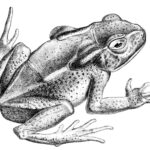
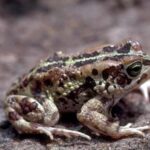
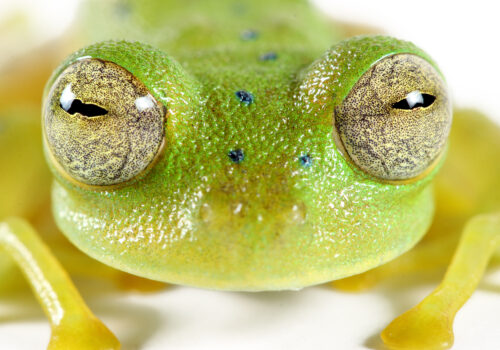
Ramirez’s Glass Frog, as its name implies, captivates with a translucent lime-green coloration, usually about 2 to 2.5 centimeters in length. Its small body and deceptively delicate limbs are finely adapted to a life high above the ground, enabling nimble leaps and confident climbing on slippery leaves. The most striking feature, perhaps, remains the almost entirely transparent abdomen and chest, through which internal organs—including the beating heart and digestive tract—are visible.
Coloration and Camouflage#
The dorsal surface of this species typically sports shades of bright leaf-green, allowing it to blend seamlessly into surrounding foliage. Such coloration is an evolutionary advantage, providing essential camouflage against predators like tree snakes, birds, and nocturnal mammals. Underneath, the semi-transparent skin confuses visual predators by diffusing reflections or creating uncertain silhouettes, thus enhancing survival rates.
Eyes and Vision#
Large, golden- or bronze-colored eyes dominate the frog’s petite head, granting impressive nocturnal vision critical for detecting unsuspecting prey and potential threats in dim rainforest canopy lighting.
Behavior and Life Cycle of Ramirez’s Glass Frog#
Life for the Ramirez’s Glass Frog unfolds delicately yet dynamically in the moist twilight world of tropical treetops. As nocturnal creatures, they spend daylight hours resting immobile on leaf undersides, blending effectively into the veins and textures of plants, rarely embarking on daytime movements.
Diet and Feeding Behavior#
Upon nightfall, Cochranella ramirezi begins its nightly ritual—a patient, meticulous feeding routine involving precise ambush predation. Primarily insectivorous, the diet chiefly consists of tiny moths, flies, ants, spiders, and other invertebrates which are caught expertly by stealth and visual acuity.
Mating Rituals and Reproduction#
Rainy-season evenings in their territories take on extraordinary drama with the male’s soft, cricket-like calls resonating through leafy corridors. Perched boldly yet delicately upon vegetation near streams, males’ calls attract receptive females from the surrounding vicinity. Following courtship, female frogs lay gelatinous egg masses directly onto leaves suspended above flowing water, meticulously selecting locations with precise temperature, humidity, and minimal predation risk.
Remarkably, the transparent egg clusters remain firmly adhered to leaves until hatching, occasionally guarded by attentive parent frogs, who engage in subtle parental care strategies—fanning and moistening eggs to prevent fungal infection—an intimate peek into the secretive amphibian parenting world.
Tadpole Development and Emergence#
Upon hatching, tadpoles deftly drop into the streams below, entering a dramatically different life phase where they face aquatic predators and must swiftly adapt to aquatic conditions. Eventually, after completing metamorphosis fully, juvenile frogs depart their watery childhood homes, ascending into well-canopied vegetative sanctuaries, continuing the species’ beautiful cycle anew.
Ecological Role of Cochranella ramirezi#
While diminutive, Cochranella ramirezi maintains profound ecological roles within their habitats. As predators of countless invertebrate species, these frogs control insect populations naturally, effectively contributing to the sensitive environmental equilibrium that keeps forests healthy and diverse.
Simultaneously, Ramirez’s Glass Frogs experience constant predation pressure from snakes, birds, and mammals. Thus, they serve a critical position within the food web, sustaining biodiversity within their lush rainforest homes.
Furthermore, due to their sensitivity to minute changes in environmental factors—be it temperature, humidity fluctuations, or water pollution—they act impressively as bio-indicators, helping scientists and conservationists quickly discern subtle changes, reflecting broader ecosystem health.
Conservation Status: Facing the Challenges Ahead#
Sadly, Cochranella ramirezi confronts considerable conservation threats. Although currently classified as “Least Concern” by IUCN due to their relatively broad distribution, deforestation, habitat fragmentation, agricultural expansion, and water pollution collectively threaten their sensitive habitats. As forests are cleared to create plantations, pastures, or human settlements, frog populations experience severe disruptions, posing persistent risks to their long-term survival.
Additionally, climate change intensifies rainfall variability and alters microclimates, creating pronounced challenges for delicate eggs and vulnerable tadpoles—a sobering reminder of how fragile interconnectivity can be disrupted by human activity.
Conservation Efforts and Initiatives#
Thankfully, committed conservationists throughout Central America work tirelessly through protected areas establishment, ecological restoration initiatives, and continued scientific research. Numerous environmental organizations collaborate with local communities, employing education, conservation-oriented eco-tourism, citizen-science initiatives, and perpetual ecosystem surveillance to preserve Ramirez’s Glass Frog and safeguard their treasured rainforest habitats.
Cultural and Scientific Significance#
Beyond their evident ecological and intrinsic worth, frogs, including Cochranella ramirezi, hold cultural significance in indigenous communities throughout Central and South America. Traditionally, amphibians symbolize fertility, environmental balance, and renewal throughout various oral histories and spiritual beliefs.
Scientifically, Ramirez’s Glass Frog offers ample avenues for groundbreaking biological research. Through exploring their unique physiological transparency, scientists better understand organ structure, developmental biology, and evolutionary adaptations. Moreover, studies concerning their ecological sensitivities potentially assist global communities in addressing environmental problems, climate change impacts, and biodiversity challenges facing the world today.
Conclusion: Preserving Nature’s Transparent Treasures#
Delicate, mysterious, and utterly captivating, Cochranella ramirezi symbolizes the profound wonder and fragility inherent in nature’s web of life. Each encounter reveals ethereal beauty and deepens appreciation for biodiversity everywhere.
We must act collectively, encouraging wildlife education, community engagement, habitat preservation, and ecological awareness to ensure Ramirez’s Glass Frog endures in healthy populations. Through informed conservation action and compassion for nature’s smallest marvels, we help protect irreplaceable creatures like Cochranella ramirezi for generations yet unborn.
Let this extraordinary glass frog inspire our commitment to the planet, reminding us forever of nature’s power to enchant, astonish, and profoundly educate us.