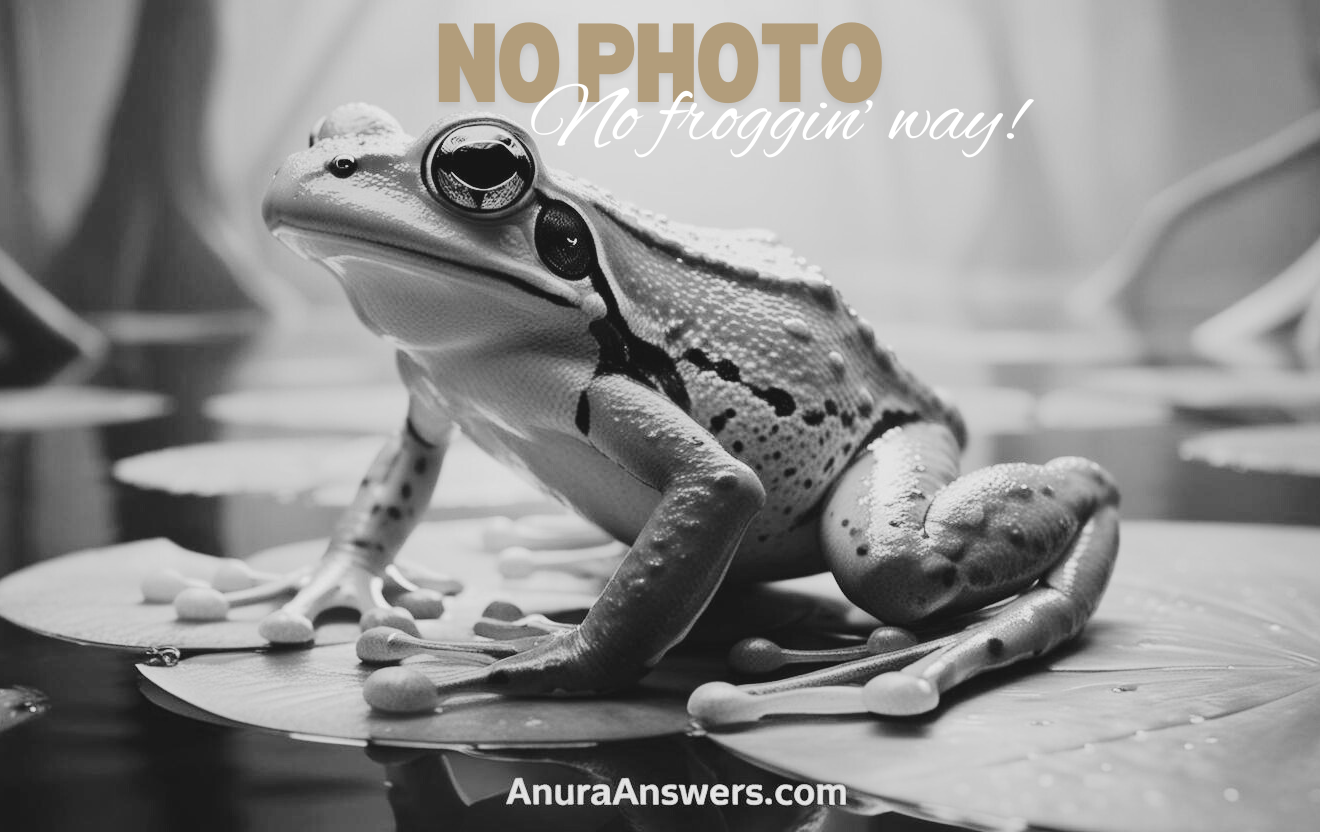
- Introduction: The Enchanting World of Cochranella guayasamini
- Taxonomy and Classification of Cochranella guayasamini
- Natural Habitat: Guardians of Ecuador's Cloud Forests
- Physical Characteristics: A Stunning Transparency
- Behavior and Life Cycle: Secretive Lives Amidst the Leaves
- Ecological Role: Guardians and Indicators of Healthy Ecosystems
- Threats and Conservation Status: Preserving Delicate Lives
- Cultural and Scientific Significance: A Symbol of Natural Artistry
- Conclusion: Celebrating and Protecting Cochranella guayasamini
Introduction: The Enchanting World of Cochranella guayasamini#
Nestled in the misty realms of Ecuador’s tropical mountains lives a creature so delicate and captivating that it seems almost mythical. Cochranella guayasamini, commonly known as Guayasamin’s Glass Frog, carves out an inconspicuous existence amidst the emerald foliage of cloud forests. Named in honor of the Ecuadorian painter and famed artist Oswaldo Guayasamin, this remarkable amphibian embodies an allure that mirrors the depths and subtleties of the artist’s own works. With a translucent skin encasing a tiny heart beating visibly within its chest, this frog intrigues scientists and nature enthusiasts alike, its very existence serving as a gentle reminder of nature’s wonder and fragility.
Taxonomy and Classification of Cochranella guayasamini#
The elegant Cochranella guayasamini belongs to the family Centrolenidae, a fascinating group of frogs colloquially referred to as glass frogs due to their characteristically transparent undersides. Within this family, Cochranella constitutes a genus notable for their arboreal habits and remarkable transparency. Officially classified by biologists in 2006, Cochranella guayasamini represents one of several intriguing species distinguished by subtle morphological characteristics and specific geographical location. While closely related to other species within the Cochranella genus, its unique combination of physical traits and behaviors clearly differentiates Guayasamin’s Glass Frog from its relatives.
Natural Habitat: Guardians of Ecuador’s Cloud Forests#
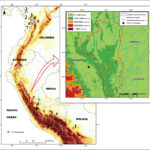
The heartland of Cochranella guayasamini lies amidst the thick canopies and gentle mists of Ecuador’s moist montane forests, notably within the regions surrounding the Andes mountains near the provinces of Cotopaxi, Napo, and Pichincha. Preferring habitats that range between 1,800 and 2,300 meters above sea level, this glass frog thrives in the cloud forest ecosystem—a rich environment characterized by continuous mist cover, lush vegetation, and a remarkable biodiversity that fills every niche and cranny.
Life for the glass frog unfolds predominantly in the evergreen treetops and leafy vegetation near mountain streams and slow-moving forest streams. The constant humidity, mild cool temperatures, and abundant vegetation offer ideal conditions for survival and reproduction. In this hidden arboreal world, Cochranella guayasamini navigates carefully among broad-leafed plants, ferns, and moss-covered branches, using the darkness of night as a cloak of protection as it embarks upon its nightly ventures.
Physical Characteristics: A Stunning Transparency#
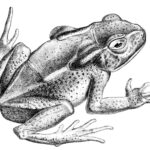
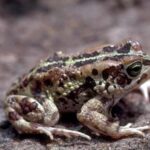
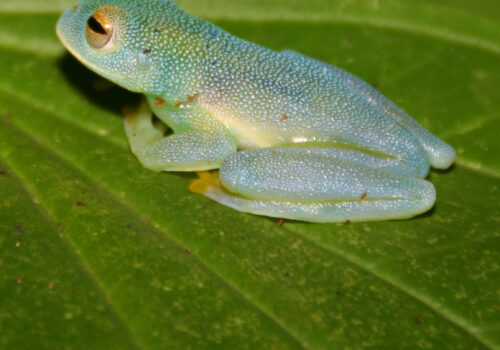
At first glance, Cochranella guayasamini immediately entrances observers with its jewel-like appearance, measuring merely 22 to 26 millimeters—roughly the size of a human thumbnail. Its most distinctive trait lies in its surreal transparency; its ventral skin provides a window into a pulsing world beneath—heartbeats gently visible, internal organs subtly outlined, and bones finely discernible. This fascinating adaptation serves as a unique form of camouflage, making them nearly invisible to predators looking upward through leafy foliage.
The dorsal surface of this species sports a beautiful, bright lime-green hue, frequently accented by muted yellow-to-white spots scattered across its back. Large, protruding eyes, gold or cream-colored irises looped by delicate black outlines, offer exceptional nocturnal vision crucial for capturing prey and evading predation. The frog’s limbs are slender yet strong, adorned with adhesive pads at the tips, enabling the creature superb agility in maneuvering among wet, slippery branches and leaves.
Behavior and Life Cycle: Secretive Lives Amidst the Leaves#
As night descends over the Ecuadorian cloud forests, a symphony of frog calls erupts softly among the trees, signaling the nocturnal emergence of Cochranella guayasamini. These glass frogs are nocturnal insectivores, devouring small insects such as mosquitoes, flies, and tiny moths. Their hunting strategy is one of patience and precision; perched quietly upon broad leaves or thin branches, their large vigilant eyes scanning the surrounding airspace for movement before rapidly sticking out their delicate tongue to capture unsuspecting prey.
Mating Rituals and Parental Care#
The mating rituals of Cochranella guayasamini are particularly fascinating, a testament to evolutionary ingenuity and the harsh realities of survival. Male glass frogs stake out positions near small streams or water-filled vegetation. From these territories, they produce delicate yet sustained calls, vibrating gently in the moist night air to attract receptive females. After pairing, the female frog meticulously deposits clusters of gelatinous, clearly transparent eggs on the underside of leaves that overhang serene streams or puddles. This strategic placement ensures a relatively secure environment shielded from predators and provides a graceful exit for hatched tadpoles, who drop directly into waiting waters below.
Remarkably, males may remain nearby after egg-laying, keeping a vigilant watch against potential predators. This form of advanced parental care highlights an implicit bond between the frog’s reproductive strategy and its harsh ecological surroundings, illustrating nature’s intricate dance of survival and dedication.
Ecological Role: Guardians and Indicators of Healthy Ecosystems#
In the ecological tapestry of Ecuador’s mountain forests, Cochranella guayasamini holds a crucial, multifaceted role. Just like other amphibians, they act as both predator and prey, placing them centrally within their food webs. By controlling insect populations, they help maintain a delicate balance that prevents pest outbreaks or population crashes, subsequently aiding the health of vegetation throughout these forests.
Moreover, their sensitivity to environmental changes positions them as vital biological indicators, alerting researchers to subtle shifts in ecosystem health. A sudden decline in glass frog populations often signals underlying environmental issues like water pollution, temperature fluctuations, or loss of rainforest cover—making their health closely intertwined with overall ecosystem integrity.
Threats and Conservation Status: Preserving Delicate Lives#
Unfortunately, Cochranella guayasamini, like many amphibians, faces an uncertain future. Currently classified by the International Union for Conservation of Nature (IUCN) as Vulnerable, the species faces multiple threats, largely connected to habitat destruction and climate change. The expanding reach of agriculture, logging, and mining encroach steadily upon their delicate habitats, reducing essential living space, and the integrity of pristine mountain streams.
Furthermore, climate alterations pose unique dangers to cloud-forest specialists such as Cochranella guayasamini. Rising global temperatures and altered rainfall patterns disrupt delicate moisture conditions that these frogs heavily depend on, pushing their populations closer toward ecological tipping points.
However, conservationists and researchers in Ecuador are actively working to protect critical cloud-forest habitats, promoting sustainable development programs that balance economic needs with biodiversity preservation. Community-led educational initiatives also increase awareness among local inhabitants, fostering pride and commitment to safeguarding ecological treasures like Cochranella guayasamini.
Cultural and Scientific Significance: A Symbol of Natural Artistry#
Named after the renowned Ecuadorian artist Oswaldo Guayasamin, Cochranella guayasamini carries profound cultural symbolism alongside its scientific curiosity. The fragile beauty and intricate transparency of this unique amphibian echo the imaginative creativity captured in Guayasamin’s paintings, symbolizing the intimate connections between art, nature, and humanity’s duty of stewardship.
On a scientific level, the glass frog has inspired numerous researchers, demonstrating unique biological and chemical properties worthy of exploration. Ongoing studies investigate everything from its transparent skin and cardiovascular visibility to antimicrobial peptides potentially useful in medical advances. The species thus serves as an inspiration for biology, conservation, cultural enrichment, and scientific inquiry.
Conclusion: Celebrating and Protecting Cochranella guayasamini#
The enchanting Cochranella guayasamini reminds us that nature, when studied closely, offers endless insights into the marvels and mysteries of life. In their translucent elegance and vulnerability lies an urgent call to action to preserve and protect the delicate biodiversity of Earth’s cloud forests. By ensuring these extraordinary amphibians continue thriving in their lush Ecuadorian ecosystem, we affirm our reverence for nature’s wonders, uphold ecological balance, and guarantee that future generations will, too, marvel at the heartbeat gently visible within the translucent chest of Guayasamin’s Glass Frog.
Let us celebrate the quiet courage of Cochranella guayasamini and dedicate ourselves to the conservation initiatives ensuring its continued survival. To learn more, explore conservation networks, support local projects, and raise awareness—every action counts in securing a brighter future for these living gems of Ecuador.