Unveiling the Secrets of the Glass Frog: A Journey into the Life of Cochranella geijskesi#
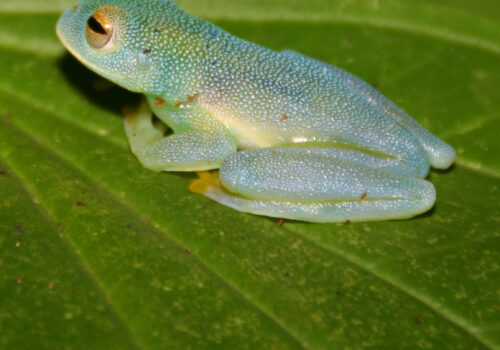
Hidden within the lush heart of South America’s dense tropical forests lives a delicate jewel: the glass frog, Cochranella geijskesi. With its translucent emerald skin and elusive demeanor, this remarkable amphibian offers nature enthusiasts and wildlife lovers a mesmerizing glimpse into one of evolution’s most intriguing adaptations.
Beneath a canopy of emerald leaves and draped vines, where shafts of sunlight filter through thick foliage to illuminate fleeting scenes of drama and tranquility, the glass frog quietly thrives. But what makes Cochranella geijskesi particularly captivating isn’t merely its unique appearance—it is the crucial ecological role it plays, its exceptional survival strategies, and how its vulnerabilities mirror the pressures faced by its rainforest home.
Join us on an immersive exploration into the fascinating biology, behavior, and conservation story of this stunning creature, as we delve deep into the hidden world of the intricate web of life surrounding Cochranella geijskesi.
Taxonomy and Classification#
Belonging to the diverse family Centrolenidae—commonly known as the glass frogs—Cochranella geijskesi was first described scientifically by Goin in 1966. Glass frogs are named for their hallmark see-through undersides, through which the beating heart and other internal organs can often be subtly glimpsed. This distinctive feature sets the Centrolenidae family apart from other amphibian lineages, igniting fascination among naturalists for decades.
The genus Cochranella is a member of the sub-family Centroleninae, encompassing multiple species, each well-adapted to life in humid neotropical habitats. Within this genus, Cochranella geijskesi establishes its uniqueness through nuanced variations in coloration, call patterns, and habitat preference.
Natural Habitat#
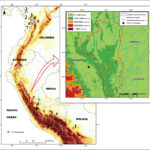
Native primarily to regions within Suriname, Guyana, French Guiana, and parts of northern Brazil, the geographic range of Cochranella geijskesi lies within the vast expanse of primary lowland and montane rainforest ecosystems of the Amazon basin and the Guiana Shield. Here, beneath thriving forest canopies, rivers and streams wind their way gently through shaded undergrowth—a world vibrant with countless species interwoven into a delicate ecological tapestry.
Glass frogs favor this wet, shaded haven, where steady humidity and pristine waters provide the foundation for their survival. These amphibians are strongly associated with riparian territories, thriving mostly in vegetation bordering slow-moving streams. Here, pools and moisture-laden leaves serve essential purposes at all stages of the frog’s life cycle—from spawning and egg-laying sites to adult resting areas. The preference for pristine, forested habitats makes Cochranella geijskesi a valuable indicator species; its presence signals ecological health and ecosystem integrity.
Physical Characteristics#
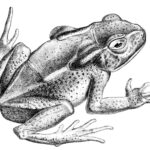
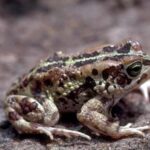
Measuring only 20 to 30 millimeters in length, Cochranella geijskesi is relatively small, yet remarkably striking. Its dorsal skin exhibits shades of radiant green—ranging from emerald hues to lighter, almost translucent tones—allowing it to blend seamlessly with leaf coverage in its lush habitat. In addition to its camouflage, tiny speckles and delicate nuances of yellowish-green markings further enhance its disguise against nocturnal predators.
What truly captures the human imagination, however, is its remarkable transparency beneath. Flipping this frog gently, one can see directly through its ventral skin, observing the heart beating rhythmically, veins coursing with life through a delicately thin membrane. Biologists theorize this translucency could be a sophisticated anti-predator tactic, confusing would-be predators when seen silhouetted against foliage from below.
It isn’t merely beauty for beauty’s sake; every aspect of its anatomy is exquisitely aligned with survival. Large sensitive eyes provide impeccable nocturnal vision, enabling the frog to skillfully navigate dark environments and detect both predators and prey during their predominantly nocturnal activities.
Behavior and Life Cycle#
Nocturnal Hunters#
Their slim, agile bodies make glass frogs adept at foraging throughout the dense foliage of their rainforest home. Under cover of darkness, Cochranella geijskesi emerges from hiding to hunt insects and arachnids lurking among leaves and branches. Their excellent eyesight, coupled with precise leaps and expert timing, allows these diminutive predators to strike prey with impressive accuracy.
Enchanting Calls and Delicate Courtship#
The rainy seasons usher in nightly symphonies composed by an ensemble of amphibians, and among this chorus, the mating calls of glass frogs resonate delicately—soft, high-pitched chirps designed specifically to attract females. Males compete by selecting prime locations near streamside foliage, territories that will attract receptive mates. When a female selects a suitable partner, she responds to the male’s serenade by moving closer, incentivizing him to perform a heightened display of vocal prowess and gentle toe-tapping on leaves.
Courtship culminates in egg deposition along undersides of leaves dangling precariously above slow-flowing streams. Nest location matters greatly; carefully chosen leaves shield delicate eggs from predators and desiccation, yet allow hatchlings to slip effortlessly into the waiting waters below upon emergence.
Tadpole Development and Parental Dedication#
Glass frog parental care is among nature’s intriguing wonders. Once eggs are deposited—typically numbering between 20 and 30—the male remains vigilantly nearby, guarding against predation from insects and other amphibians. Adequate moisture is critical, and conscientious males ensure eggs stay moist by cleverly manipulating leaf coverings, or even periodically moistening the eggs directly.
After several days, small tadpoles break free from their gelatinous nursery above the water. Sliding or dropping gracefully into the stream below, the developing larvae enter a phase of aquatic life, feeding on algae and organic detritus until metamorphosing into froglets, equipped finally to climb back into a semi-arboreal existence.
Ecological Role#
Crucial players in their rainforest domain, Cochranella geijskesi individuals act as both hunter and prey within the tangled web of interactions. By preying on insects, glass frogs participate actively in controlling insect populations, thereby preventing overgrowth or problematic infestations that could disturb ecological equilibrium. Additionally, their small size and vulnerability mean they sustain ravenous predators, from birds and snakes to larger amphibians, thus becoming integral to the foundational layers of tropical food webs.
Due to their sensitivity to environmental fluctuations and habitat disturbance, early indicators of declining rainforest health frequently manifest in glass frog populations long before visible cues appear elsewhere. Therefore, experts studying their population status use these frogs as compelling bioindicators, an “early warning system” for ecological integrity.
Threats and Conservation Status#
Despite their ecological significance and captivating allure, Cochranella geijskesi populations face mounting threats driven by habitat deforestation, climate instability, and human encroachment. Illegal logging, clearings for agricultural expansion, and mining activities significantly fragment and degrade essential rainforest habitats, reducing viable regions for stable frog populations.
Climate change also poses severe risks, altering rainfall patterns and temperatures critical to their delicate reproductive cycles. Lethal fungal diseases, particularly chytridiomycosis, have further compounded these pressures, imperiling frog populations worldwide—and glass frogs are sadly no exception.
Currently listed by the International Union for Conservation of Nature (IUCN) as “Least Concern,” primarily due to relatively stable populations at present, scientists point to an uncertain future under ongoing threats. Ensuring continuous monitoring and habitat protection remains integral to safeguarding this exquisite species.
Cultural and Scientific Significance#
Cochranella geijskesi, though rarely spotlighted in global culture, symbolizes purity, resilience, and ecological balance in indigenous Amazonian traditions. Scientifically, glass frogs yield essential insights into amphibian survival strategies, highlighting evolutionary adaptations like translucency, parental care innovations, and bioindicator roles critical to ecosystem monitoring.
Conclusion#
The captivating Cochranella geijskesi stands as a testament to life’s delicate complexity and adaptability within Earth’s most biodiverse ecosystems. Protecting this fragile frog safeguards wider ecosystem health, maintaining biodiversity for future generations. Engaged stewardship begins by understanding and cherishing these hidden jewels within the rainforest tapestry.
Together, informed and active, we possess the opportunity—and responsibility—to ensure glass frogs continue to illuminate our world as vibrant reminders of nature’s unparalleled artistry.