- Introduction: Unveiling Nature’s Translucent Marvel
- Taxonomy and Classification: Where Does Centrolene robledoi Fit?
- Natural Habitat: A Life Among Clouds and Streams
- Physical Characteristics: Elegance in Transparency
- Behavior and Life Cycle: Embracing Nocturnal Mysteries
- Ecological Role: A Vital Cog in the Biodiversity Wheel
- Threats and Conservation Status: Fragility under Threat
- Cultural and Scientific Significance: Beyond Transparent Beauty
- Conclusion: Guardians of Glass and Green
Introduction: Unveiling Nature’s Translucent Marvel#
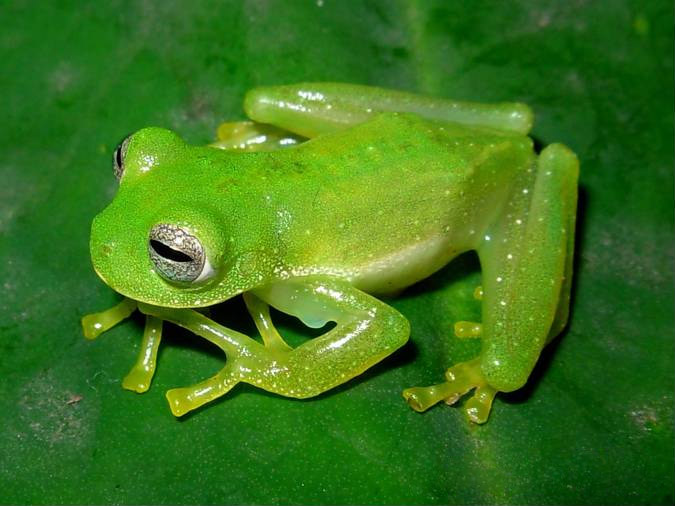
Deep within the lush cloud forests and pristine mountain streams of Colombia, hiding gracefully amidst dew-drenched leaves under the cloak of night, exists one of nature’s most extraordinary wonders—the translucent Centrolene robledoi. This diminutive amphibian, known popularly as Robledo’s Glass Frog, is far more than just another frog species; it is a living jewel, a creature whose very existence speaks volumes about the health and vibrancy of its habitat. Peer through its delicate semi-transparent skin, and you’ll find yourself mesmerized by the rhythmic beat of its tiny heart, the network of delicate arteries, and the intricate workings of internal organs—an anatomical showcase provided generously through nature’s ingenuity and adaptation.
Scientifically known as Centrolene robledoi, this captivating amphibian beckons us closer into its nocturnal world, hidden within layers of mist-covered forest canopies. Beyond its ethereal beauty and unique transparency, the species plays a vital ecological role and serves as an indicator of environmental health, captivating scientists, conservationists, and nature enthusiasts alike. Let us delve deeper into the captivating narrative of Centrolene robledoi, exploring its fascinating life history, intriguing behaviors, ecological significance, and current conservation status.
Taxonomy and Classification: Where Does Centrolene robledoi Fit?#
Centrolene robledoi belongs to the family Centrolenidae, commonly known as the glass frog family. Within this large and evolutionarily fascinating family, the genus Centrolene represents a group of frogs renowned for their semi-transparent bodies, brilliantly evolved adaptations, and vibrant geographic distribution predominantly across Central and South America. The genus name “Centrolene” reflects a taxonomic relationship to the glass frogs’ clear abdominal regions, a distinctive trait visible in nearly all its members.
Named in honor of researcher Pedro Robledo, who significantly contributed to our understanding of the amphibians of Colombia, Centrolene robledoi was first described scientifically in 1997. Despite its relatively recent formal recognition, this species has quickly garnered interest and attention due to its remarkable physical characteristics and its sensitivity to environmental changes, making it an invaluable focus of amphibian conservation in the neotropics.
Natural Habitat: A Life Among Clouds and Streams#
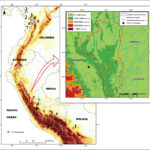
Located primarily in Colombia, specifically within the Andean mountain ecosystems, Centrolene robledoi thrives amid dense vegetation clinging to the edges of crystalline mountain streams. These amphibians flourish at elevations ranging roughly between 1,900 to 2,500 meters above sea level—elevations that come blanketed nightly in a gentle mist, creating an ideal microclimate that glass frogs find irresistibly suitable.
Their preferred environment—a humid, richly biodiverse cloud forest—is characterized by constant moisture, moderate temperatures, and a lush canopy that provides protection from predators. The frogs typically rest on transparent leaves and delicate ferns hanging over streams, making full use of the natural camouflage their glass-like skins provide against insect-eating birds and reptiles above.
An intricate tapestry of coexistence unfolds within this ecosystem, with Centrolene robledoi serving as both hunter and hunted. Here, where cool streams shimmer with moonlight, and thick foliage hums to nocturnal serenades, the glass frogs masterfully navigate a microhabitat shaped precisely by their own evolutionary needs—balancing moisture, predator-prey interactions, and suitable sites for egg laying.
Physical Characteristics: Elegance in Transparency#
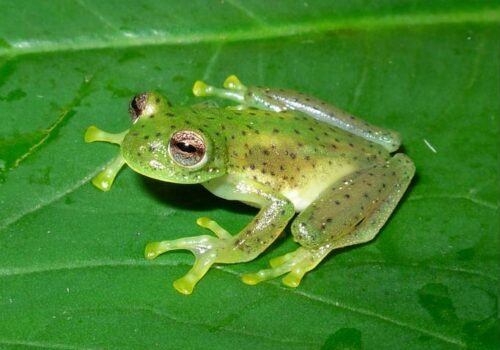
Centrolene robledoi is a delicate, small-bodied frog, typically measuring between 2 to 3 centimeters in length. Its most striking and celebrated physical trait is undoubtedly its translucent ventral side, a characteristic shared by closely related glass frogs. This transparency isn’t merely ornamental—it represents a missed heartbeat of evolutionary precision, allowing the frogs a sophisticated method of camouflage that confuses potential predators by distorting their visible outline when viewed from below.
The upper body of the species, while slightly less transparent, features vibrant shades of lime to emerald green hues adorned with tiny, sparkling flecks of yellow or pale gold. Large, expressive eyes bulge slightly forward, with horizontal or semi-horizontal elliptical pupils perfectly adapted for refined night vision necessary for their nocturnal activity patterns. Their slender limbs, uniquely adapted with adhesive discs at the tip of each digit, allow for secure footing on the smooth, slick leaves and slippery stems dominating their lofty arboreal habitat.
These adaptations are not merely aesthetic or casual—the glass frogs’ transparent skin and green pigmentation combine elegantly as a survival strategy, providing effective concealment from predators and impressive ambush capabilities when hunting prey.
Behavior and Life Cycle: Embracing Nocturnal Mysteries#
A Symphony in the Mist: Mating and Vocalizations#
The nocturnal activities of Centrolene robledoi are continually fascinating. As daylight dwindles away and darkness drapes the forest realm, males climb onto vegetation near the streams, conspicuously positioning themselves near branches or leaves overhanging the water, and begin vibrating the humid air with their surprisingly melodic mating calls. These nighttime choruses serve as declarations to females of strong genetics and territory dominion and as subtle warnings to other males to stay clear.
Tending the Next Generation: Eggs and Parental Investment#
Once females make their careful selection, courtship transitions into delicate amplexus (the mating embrace characteristic of frogs), during which female Robledo’s Glass Frogs lay gelatinous clusters containing no more than a few dozen delicate, transparent eggs. These egg clusters are gently deposited on leaves directly over fast-moving streams, providing protection from some predators and ensuring the tadpole’s future path into the aquatic ecosystem below.
An outstanding feature of Centrolene robledoi—and indeed many glass frog species—is the male’s dedicated parental care. Fathers defend their eggs relentlessly from predators such as wasps, predatory insects, and small amphibians, positioning their slender bodies as shields against predation, dehydration, and fungal infection. This form of paternal investment significantly increases the survival rate, giving the emerging tadpoles a critical head start in their precarious aquatic existence.
Tadpoles to Transparent Adults: The Delicate Journey#
After incubation, eggs hatch into tadpoles that gently drop into the streams below, where they swiftly adapt to their aquatic environment. Tadpoles are herbivorous and detritivorous, cleaning the stream bottom and, in turn, nourishing numerous other species along the food web. Eventually, after weeks or even months, a miraculous metamorphosis occurs, and on newly developed legs, tiny glass froglings climb upward into trees to begin their adult lives as stealthy arboreal predators.
Ecological Role: A Vital Cog in the Biodiversity Wheel#
The delicate glass frog Centrolene robledoi fulfills a complex and critical ecological role, simultaneously acting as predator, prey, and a sensitive environmental indicator. Diet-wise, they form an essential control mechanism for numerous insect populations, preying predominantly on small insects, including flies, ants, and beetles that venture near their nighttime perches.
As prey species themselves, they support numerous predators, such as nocturnal snakes, birds, larger frogs, and comparatively small rainforest mammals. Robledo’s glass frogs’ presence and abundance effectively indicate the ecosystem’s health, making them invaluable indicators in ecological monitoring, conservation planning, and scientific studies regarding habitat stability and climate change thresholds.
Threats and Conservation Status: Fragility under Threat#
Centrolene robledoi is classified by the International Union for Conservation of Nature (IUCN) as “Vulnerable.” Their specific habitats are increasingly threatened by deforestation, agricultural expansion, chemical pollution, and escalating impacts from climate change, notably erratic rainfall and warming temperatures disrupting their specialized microclimate needs.
Conservation has become crucial. Protection of critical habitats, promoting sustainable agricultural practices, and establishment of ecological reserves are vital steps toward safeguarding Centrolene robledoi’s future. Continued research and monitoring assist conservation strategies, but the larger need remains: public awareness and efficacy in advocacy for Colombia’s precious biodiversity.
Cultural and Scientific Significance: Beyond Transparent Beauty#
Centrolene robledoi symbolizes Colombia’s rich biodiversity, inspiring local conservation initiatives and international scientific research. Its unique physiology aids research in biochemical processes and climatic effects on fragile ecosystems, providing insights far beyond simple aesthetic admiration.
Conclusion: Guardians of Glass and Green#
Centrolene robledoi is far more than mere natural art. It represents an integral piece in the great biodiversity puzzle, underlining the urgency for attentive stewardship of our planet’s most delicate habitats. Now is the moment to foster awareness, encourage advocacy, and actively conserve the marvelously enigmatic glass frogs that shimmer quietly in the heart of Colombia’s misty cloud forests—because we are their voice and their guardians, as certainly as they are guardians of our ecological balance.