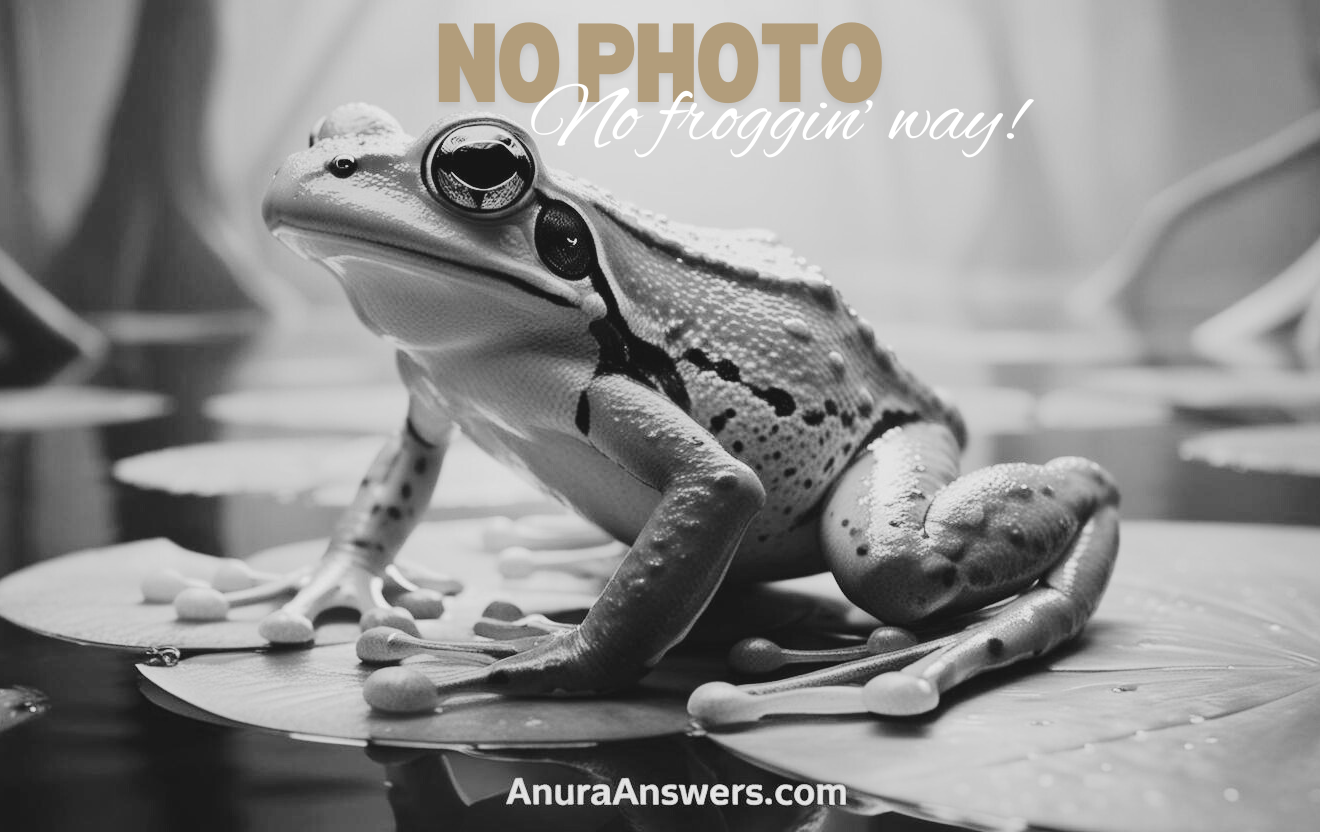
- Centrolene condor: Discovering the Enchanted World of Ecuador's Condor Glass Frog
Centrolene condor: Discovering the Enchanted World of Ecuador’s Condor Glass Frog#
In the deeply lush, mist-draped slopes of the Ecuadorian Andes, nestled amidst emerald-hued leaves and gently flowing mountain streams, lives a creature remarkably exquisite and secretive—a true gem of biodiversity: Centrolene condor, known affectionately as the Condor Glass Frog. Named in honor of the majestic Andean condor, emblem of the landscapes it inhabits, this captivating amphibian is shrouded in mystery, its ethereal beauty captivating nature enthusiasts, biologists, and conservationists alike.
One glance at the condor glass frog reveals a fascinating anomaly—translucent skin so clear one can glimpse its beating heart and delicate organ anatomy beneath. Yet, beyond their striking appearance lies a world of intricate biological designs, intriguing behaviors, and compelling ecological significance, making the Centrolene condor an essential treasure worth discovering, studying, and protecting.
Taxonomy and Classification#
The Condor Glass Frog belongs to an extraordinary family, Centrolenidae, a group of amphibians celebrated for their distinctive transparency. The scientific name of the species is Centrolene condor; “Centrolene” referencing its familial genus classification, and “condor” evoking both the majesty and altitude of its Andean home. This species was scientifically described relatively recently, highlighting the continually unraveling biodiversity hidden within South America’s forests and mountains.
Within its genus, Centrolene condor shares lineage with other glass frogs like Centrolene buckleyi and Centrolene heloderma, each species distinguished subtly by habitat preferences, coloration patterns, and subtle morphological nuances. The ongoing exploration of these amphibian clusters exemplifies how much remains undiscovered within our planet’s remarkable diversity.
Natural Habitat#
The Condor Glass Frog’s range is surprisingly limited, making its natural habitat precious and profoundly significant. Endemic primarily to Ecuador’s Andean mountain slopes, particularly within pristine cloud forest regions, this species thrives at elevations typically ranging from 1,750 to 2,200 meters above sea level. This altitude offers precisely the cool, humid conditions the frog requires to regulate its delicate physiology.
An Enchanting Environment#
Wandering through this glistening ecosystem, one would experience an otherworldly setting created by persistent mists swirling through thick forests of moss-covered trees, lush ferns, gurgling brooks, and rock-strewn streambeds—habitats essential for the Condor Glass Frog. Crystal-clear mountain streams play a particularly critical role as breeding grounds. The eggs and tadpoles of Centrolene condor rely on pollution-free aquatic environments, making them invaluable indicators of ecosystem health.
The dense foliage and high moisture content within its habitat shelter these fragile amphibians from predators and extreme temperate variations, providing security vital to their survival. Within the forest leaf strata, the glass frogs remain remarkably cryptic, blending effortlessly into their surroundings as nocturnal creatures emerge quietly after dusk to forage and breed.
Physical Characteristics: The Anatomy of Transparency#
Few amphibians capture imaginations quite like the Condor Glass Frog, primarily owing to its extraordinary appearance. Adult specimens measure a modest length between 20 to 27 millimeters—roughly matching the size of an almond—yet their diminutive stature only amplifies the wonder of their exquisite form.
Indeed, the most jaw-dropping characteristic of Centrolene condor is found in its vibrant, emerald-hued dorsal area juxtaposed by transparent ventral skin. Through its translucent underside, an observer can see intricate anatomical details—including the faintly pulsing heart, blood vessels coursing gently like tiny rivers of life, stomach contents after feeding, and slender bones—all visible beneath delicate skin membranes.
This transparent nature is seminal to their survival, affording unparalleled camouflage against predators. From above, their coloration mirrors the leaves, while from below, predators searching upwards see only the shadow of leaf patterns and dappled moonlight.
Behavior and Life Cycle#
By twilight, the Centrolene condor awakens from daylight inactivity, setting forth on delicate limbs in search of sustenance and mates. Their emerging nocturnal chorus blends with the symphony of forest nightlife—a soft, high-pitched whistle resonating lightly through misty forest nights, proclaiming territories and calling for mates.
Feeding Habits: A Patient, Precise Hunter#
Condor Glass Frogs predominantly hunt small insects—ants, midges, flies, and tiny moths that frequent their cloudy forest territory. Rather than pursuing their prey actively, they employ ambush predation strategies, lingering near insect-flight pathways or atop leaves until their meal drifts unwittingly within striking range. When the moment arrives, the frog swiftly deploys its sticky, lightning-fast tongue, capturing its prey with stunning efficiency.
Breeding Behaviors and Parental Investment#
During wet-season nights, males gather along streams, securing prime positioning on leaf edges or branches overhanging flowing water. Their clear calls serve dual purposes—claiming territorial rights and luring female partners. Upon mating, females carefully deposit clusters of gelatinous eggs amidst foliage directly above streams, ensuring their offspring’s reproductive investment remains secure and moisture-rich.
Parent frogs, particularly males, demonstrate remarkable parental commitment, attending vigilantly to their eggs to prevent desiccation and predation. As the cluster matures, emerging tadpoles drip from the leaves into water below, beginning their journey towards adulthood amidst the security of these biodiversity-rich mountain streams.
Ecological Role#
Centrolene condor serves myriad functions within its pesticide-free, untouched surroundings, becoming an indispensable participant in ecological dynamics. As consumers of diverse insect populations, these frog species regulate insect abundance—essential balance-keepers within their rainforest ecosystems. Their delicate eggs and tadpoles additionally become a vital food source for specific freshwater predators, thus supporting broader ecological community stability and functioning.
Perhaps most notably, glass frogs are essential indicator species, ever-sensitive to environmental pollutants, climate shifts, and habitat alteration. The fragility of Centrolene condor’s population vividly signals ecological disruptions, underscoring the necessity of monitoring and protecting habitat integrity in their region and beyond.
Threats and Conservation Status#
Sadly, incredibly delicate niche habitats and limited distribution make Centrolene condor particularly vulnerable to human-driven threats such as habitat degradation, fragmentation, and deforestation associated with agriculture expansion, logging, or infrastructure development. Climate change exacerbates these problems, and infectious amphibian diseases such as chytridiomycosis pose additional severe threats.
The International Union for Conservation of Nature (IUCN) currently designates Centrolene condor as “Endangered,” underscoring an immediacy of conservation efforts crucial for its long-term survival. The glass frog’s conservation status resonates profoundly in the worlds of both wildlife enthusiasts and researchers, inspiring conservation engagement locally and internationally. Active efforts include protected area designations, habitat restoration initiatives, and educational outreach to local communities on the profound value inherent to their native biodiversity.
Cultural and Scientific Significance#
While Centrolene condor itself may remain enigmatic to broader cultural narratives, glass frogs generally hold symbolic meanings across indigenous cultures, often representing renewal, purity, and the interconnectedness of life. Scientific communities likewise deeply cherish it—as bioindicators, these amphibians alert ecologists to habitat stress swiftly, often far earlier than more resilient species.
Furthermore, the highly specialized physiology—especially transparency mechanisms—inspired remarkable scientific discoveries, enabling bioengineering innovations and new medical insights that could benefit fields as diverse as regenerative medicine or tissue engineering.
Conclusion: Protecting a Jewel of the Andes#
Centrolene condor enthralls scientists and nature-lovers alike—its beauty ethereal, ecology vital, and survival precariously intertwined with our stewardship responsibilities. Its translucent existence tells eloquent stories of harmony, fragility, and wonder, illuminating our responsibility and possibility to conserve these precious surroundings. The plight of the Condor Glass Frog invites urgent preservation actions, compelling us today to act for thriving forest biodiversity tomorrow.
Let us embrace the call this diminutive frog extends towards harmony and advocacy, ensuring future generations can share in discovering the magical, transparent world of Centrolene condor and its astounding delicate home—the misty cloud forests of the Ecuadorian Andes.







