- Centrolene camposi: The Enchanting Glass Frog of the Andean Cloud Forests
- Taxonomy and Classification: Tracing Centrolene camposi's Lineage
- Natural Habitat: Ghostly Residents of the Andean Cloud Forests
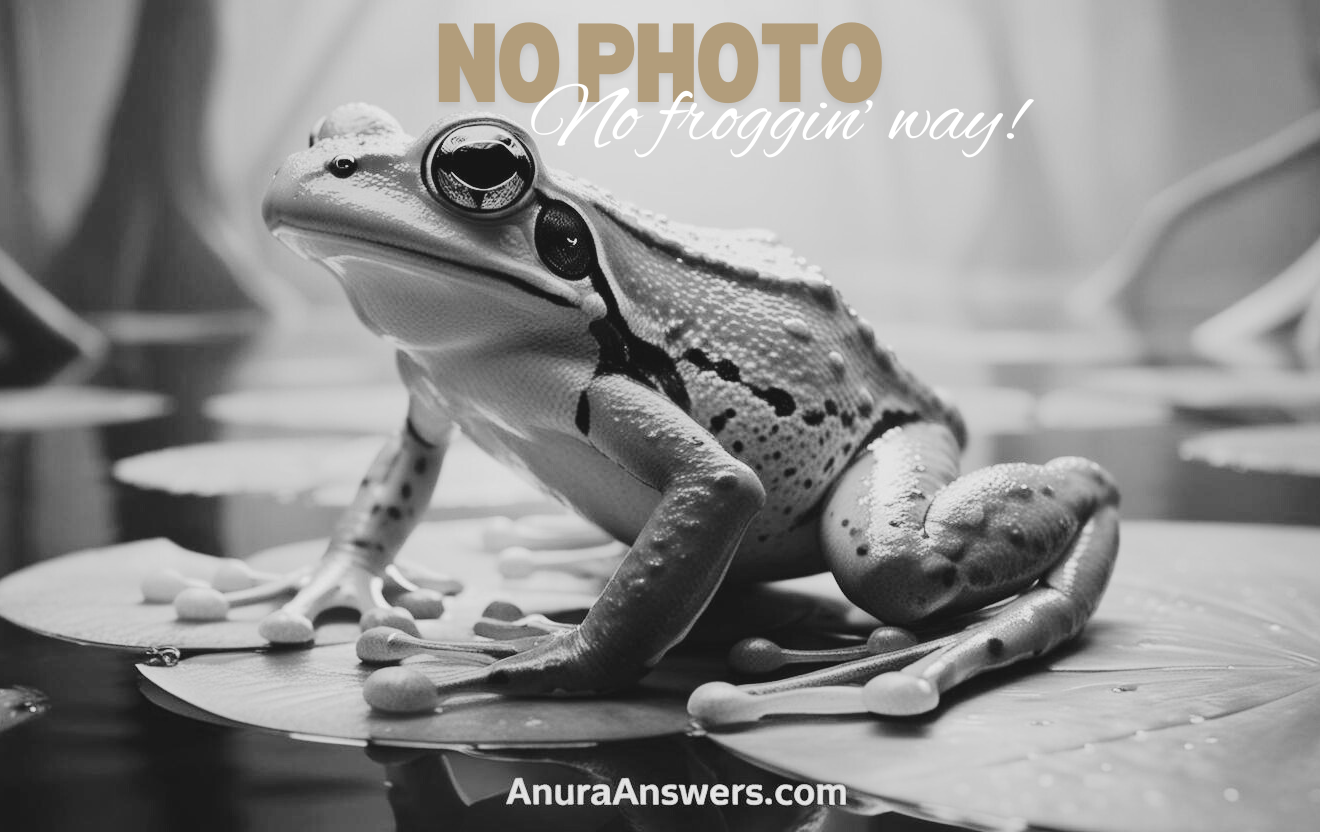
- Physical Characteristics: Nature’s Living Crystal Sculptures
- Behavior and Life Cycle: Quiet Nights in the Andean Mists
- Ecological Role: Tiny Guardians of the Forest Ecosystem
- Conservation Status and Ongoing Threats: Fragile Gems Under Pressure
- Cultural and Scientific Significance: An Iconic Symbol and Research Beacon
- Conclusion: Embracing Stewardship of Centrolene camposi
Centrolene camposi: The Enchanting Glass Frog of the Andean Cloud Forests#
Deep within the mist-laden forests of the Andes, hidden beneath lush ferns and perched on dew-covered leaves, a small amphibious gem resides—the Centrolene camposi. More commonly known as Campos’s glass frog, this delicate creature epitomizes the mysterious allure of cloud forest biodiversity, offering us an astonishing glimpse into a world often overlooked. With reliably translucent skin, an exquisite emerald hue, and secretive nocturnal habits, Centrolene camposi embodies the intricate splendor and ecological value of its fragile montane ecosystem.
Although scarcely visible to casual observers, Campos’s glass frog has captivated biologists and conservationists ever since it was first described scientifically. Its translucent body and unique behaviors serve as intriguing windows into broader environmental health, reinforcing not only ecological interconnectedness but also the necessity of targeted conservation efforts. Let us journey through the veil of mist and explore closely the captivating world of Centrolene camposi, discovering how it lives, how it navigates challenges, and why this tiny creature matters so immensely in the grand tapestry of nature.
Taxonomy and Classification: Tracing Centrolene camposi’s Lineage#
Campos’s glass frog belongs to the family Centrolenidae, a diverse group of amphibians collectively referred to as glass frogs due to their hallmark translucent undersides. Classified within the genus Centrolene, this species was first scientifically delineated by herpetologist Juan A. Rivero in 1968. Officially dubbed Centrolene camposi, the species was named to honor Dr. Manuel Campos, a devoted biologist whose field studies greatly enriched our understanding of South American amphibian diversity.
The genus Centrolene itself represents a lineage renowned for distinct ecological niches, displaying remarkable adaptability in cloud and rainforest habitats across Central and South America. While closely related to frogs in the genera Hyalinobatrachium and Cochranella, Centrolene camposi distinguishes itself through specific behavioral patterns, calls, and geographical distributions that researchers have carefully documented over decades of fieldwork. Despite sharing lineage and biological traits with its cousins, Campos’s glass frog maintains a unique evolutionary identity, finely tailored to its specialized environment.
Natural Habitat: Ghostly Residents of the Andean Cloud Forests#
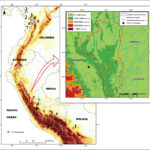
An expedition into the western slopes of the Andean mountains reveals a realm of perpetual fog, moderate temperatures, and moisture-laden air—the ideal sanctuary for Centrolene camposi. Primarily occupying altitudes ranging from 500 to 1,900 meters above sea level, these glass frogs are native residents of lush montane forests spanning Colombia to Ecuador, particularly abundant along the western Cordillera.
A Symphony of Microhabitats in the Clouds#
The ideal microhabitat for Centrolene camposi resides within vegetation surrounding clear, fast-moving streams—a vital component of their lifecycle. Within these dense foliage islands, the frogs prefer large, flat leaves of bushes and low-growing plants that form sturdy platforms suspended just above rushing water. Nighttime moisture, streaming from misty canopies above, continually refreshes their chosen habitats, providing adequate hydration and shelter through periods of intense sunshine and rainfall alike.
Observing these frogs in situ reveals intimate interactions between their chosen microhabitats and reproductive biology. The streams not only facilitate survival but also influence essential behaviors, from courtship to larval development, underscoring the species’ strict reliance upon the quality of its aquatic and terrestrial surroundings.
Physical Characteristics: Nature’s Living Crystal Sculptures#
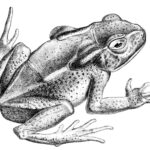
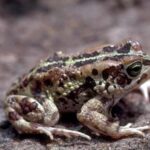
Camps’s glass frog evokes wonder among naturalists and casual observers alike, thanks to its astounding physical traits. Adults generally measure just 22 to 25 millimeters—roughly the size of a human thumbnail—with females slightly larger than males, as is common within amphibian sexual dimorphism. Yet, despite their diminutive stature, these frogs command singular attention due to their ethereal appearance and mesmerizing transparency.
The Illusion of Invisibility: Translucency and Protective Coloration#
The frog’s dorsal surfaces shimmer in subtle shades of vivid emerald green. These hues blend seamlessly with rainforest leaves, providing effective camouflage from predatory birds and snakes. Perhaps most astonishing, however, is their characteristic translucent underside; dozen of internal structures shimmer beneath smooth, nearly transparent skin, revealing a beating heart, branching blood vessels, and even internal organs clearly visible.
This remarkable adaptation—translucency—remains an ongoing evolutionary puzzle. One hypothesis suggests it confounds predators by reducing visible outlines, while another emphasizes improved thermoregulation and moisture permeability. Whatever the precise selective pressures may be, translucent skin represents an exquisite evolutionary refinement central to the species’ survival and identifiable character.
Behavior and Life Cycle: Quiet Nights in the Andean Mists#
The secret lives of Campos’s glass frogs occur under the cloak of darkness. Highly nocturnal, these tiny creatures spend daylight hours concealed beneath leaves, relying upon camouflage and stillness to avoid detection. Upon nightfall, however, this ordinarily placid amphibian transforms into a quietly active denizen of the forest, engaging in complex behaviors ranging from vocalization and breeding displays to hunting delicate insect prey.
Courtship Serenades Above the Streams#
Male Centrolene camposi adopt permanent calling territories perched strategically above stream banks, placing themselves within vocal reach of passing females. Their mating calls are gentle, repetitive tones—soft chirping notes audible only at close range—and males remain persistent vocalists from twilight until predawn hours. Upon arrival and acceptance of a mate, courtship culminates when the female lays clutches of transparent jelly-coated eggs directly onto a smooth leaf suspended above running water.
A Fragile Beginning: Eggs and Tadpole Development#
The eggs develop directly above the rushing streams, sheltered from terrestrial dangers yet poised precariously on leafy edges. Optimal humidity sustains embryonic growth, rendering protective parental behaviors remarkably minimal. Twenty days later, as newly formed embryos mature, they collectively emerge and plummet into the waters below. Here, amid clear mountain streams, Campos’s glass frog tadpoles begin their aquatic life phase, feeding on microscopic organisms until metamorphosed into terrestrial juveniles.
Ecological Role: Tiny Guardians of the Forest Ecosystem#
Despite their size, glass frogs perform a pivotal ecological role within their habitats. For starters, they act as substantial insect regulators, consuming myriad arthropods nightly and controlling pest populations. More fundamentally, though, they serve as significant prey sources for various forest predators, contributing to overall ecological balance within cloud forest food webs. Perhaps most intriguing is Centrolene camposi’s role as an indicator species—a sensitive organism whose presence or absence reflects the health and integrity of their humid montane habitat, alerting biologists to environmental changes long before those alterations become obvious elsewhere.
Conservation Status and Ongoing Threats: Fragile Gems Under Pressure#
Sadly, the enchanting narrative of Centrolene camposi faces ongoing threats imparting pressure upon wild populations. The International Union for Conservation of Nature (IUCN) currently classifies Centrolene camposi as “Vulnerable,” highlighting an urgent need for habitat-focused conservation strategies. Habitat destruction, driven by agriculture, logging, cattle ranching, and infrastructure expansion, fragments their suitable forest habitats, creating isolated population pockets vulnerable to extinction events. Climate change exacerbates these threats, altering rainfall patterns and temperature variations essential to cloud forest functioning.
Moreover, emergent infectious diseases, such as amphibian chytrid fungus, present additional threats that complicate conservation management. Faced with these new realities, international collaboration advances urgent strategic management encompassing habitat preservation, education initiatives, disease research, and stricter environmentally protective policies.
Cultural and Scientific Significance: An Iconic Symbol and Research Beacon#
To biodiversity researchers and local communities alike, Centrolene camposi symbolizes cloud forest ecosystems—a region synonymous with irreplaceable ecosystems and delicate balance. Indigenous cultures of the Andean region hold amphibian species in reverence, often associating them with rain, fertility, purity, and renewal. Scientific curiosity surrounding these frogs uncovers countless biological secrets, informing broader ecological concepts and encouraging environmentally driven communities to actively engage in their protection.
Conclusion: Embracing Stewardship of Centrolene camposi#
The story of Campos’s glass frog represents more than a mere amphibian curiosity—it symbolizes the interconnected vibrancy and delicate fragility of cloud forest ecosystems. Protecting these tiny jewels demands collective efforts from communities, researchers, conservationists, and environmentally mindful global citizens. By understanding, appreciating, and actively preserving the enchanting life of Centrolene camposi, we take strides towards sustaining the invaluable mosaic of biodiversity defining our natural world.