- Unveiling the Enchanting World of Centrolene azulae: The Blue Glass Frog of the Andes
- Taxonomy and Classification: Placing Centrolene azulae in Context
- Exploring the Natural Habitat: The Cloud Forest's Hidden Gem
- Physical Characteristics: Nature’s Masterpiece in Transparency
- Behavior and Life Cycle: A Symphony in Moonlight
- Ecological Role: Guardians of the Cloud Forest Ecosystem
- Threats and Conservation Status: Preserving a Fragile Survivor
- Cultural and Scientific Significance: Beyond Biological Beauty
- Conclusion: A Fragile Harmony Worth Protecting
Unveiling the Enchanting World of Centrolene azulae: The Blue Glass Frog of the Andes#
Gliding silently through the lush, mist-soaked forests of the Andes Mountains, the Centrolene azulae—also affectionately known as the Blue Glass Frog—clings to emerald leaves shimmering under moonlight. Renowned for their translucent bodies and striking bluish-green hues, these elusive amphibians offer a rare glimpse into the magical biodiversity concealed within South America’s cloud forests. Scientifically classified under the family Centrolenidae, commonly known as glass frogs, Centrolene azulae signifies not only nature’s artistic flair but also serves as a crucial indicator of ecological health.
But beyond its ethereal beauty, what makes Centrolene azulae genuinely remarkable? Imagine looking closely at a frog perched delicately on a leaf—close enough to view its pulsating heart right beneath the skin. Indeed, this transparency is no mere aesthetic curiosity; it serves as specialized camouflage, crucially protecting this tiny amphibian from lurking predators.
As we delve deeper into the life and habits of this extraordinary frog, we embark upon a journey into an ecosystem that teems with biodiversity, brimming with species often overlooked but vital to our planet’s health and survival.
Taxonomy and Classification: Placing Centrolene azulae in Context#
Understanding Centrolene azulae starts with a step back into taxonomy—the science of classifying living organisms. The beauty of taxonomy lies in the insight it provides into evolutionary relationships, revealing how even tiny creatures like glass frogs connect to the broader story of life.
Centrolene azulae is positioned within the amphibian order Anura, which encompasses all frogs and toads, belonging specifically to the vibrant Centrolenidae family. Known colloquially as glass frogs, members of Centrolenidae are celebrated for translucent skin, through which certain internal organs become startlingly visible. Within this fascinating family, Centrolene azulae belongs to the genus Centrolene, characterized by slender frames, small size, and striking coloration patterns discernible only to the observant eye.
First scientifically described by renowned herpetologists Juan Manuel Guayasamin et al. (2017), Centrolene azulae has emerged from relative obscurity to captivate researchers and conservationists alike. Closest relatives within the genus established through rigorous molecular analysis include Centrolene buckleyi and Centrolene heloderma, yet Centrolene azulae demonstrates subtle but critical adaptations that set it apart.
Exploring the Natural Habitat: The Cloud Forest’s Hidden Gem#
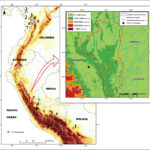
Centrolene azulae calls the majestic slopes of the Ecuadorian Andes home, thriving in moist cloud forests situated at elevations between approximately 2,000 and 2,800 meters. Amid dense canopies, persistent clouds frequently kiss the tree line, enveloping this secretive amphibian in a comforting shroud of humidity and mist. Here, moisture reigns supreme, and every leaf becomes a wellspring of life.
Within the tranquility of these montane habitats, Centrolene azulae finds its perfect niche. The environment boasts lush vegetation, cascading streams, and silvers of moonlight piercing through gaps in thick foliage—exactly the conditions this glass frog demands. Trees draped in moss and bromeliads create a cozy labyrinth where these frogs navigate effortlessly, hopping from leaf to leaf, barely disturbing the dew that clings to their skin.
A master of camouflage, Centrolene azulae spends much of its life perched at mid-level canopy foliage, offering it safety from terrestrial predators while simultaneously providing vantage points from which to hunt their insect prey. Such an altitude-specific habitat has evolved the frog into a specialized species whose fate is intricately linked to the health and preservation of cloud forest ecosystems.
Physical Characteristics: Nature’s Masterpiece in Transparency#
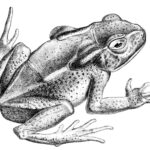
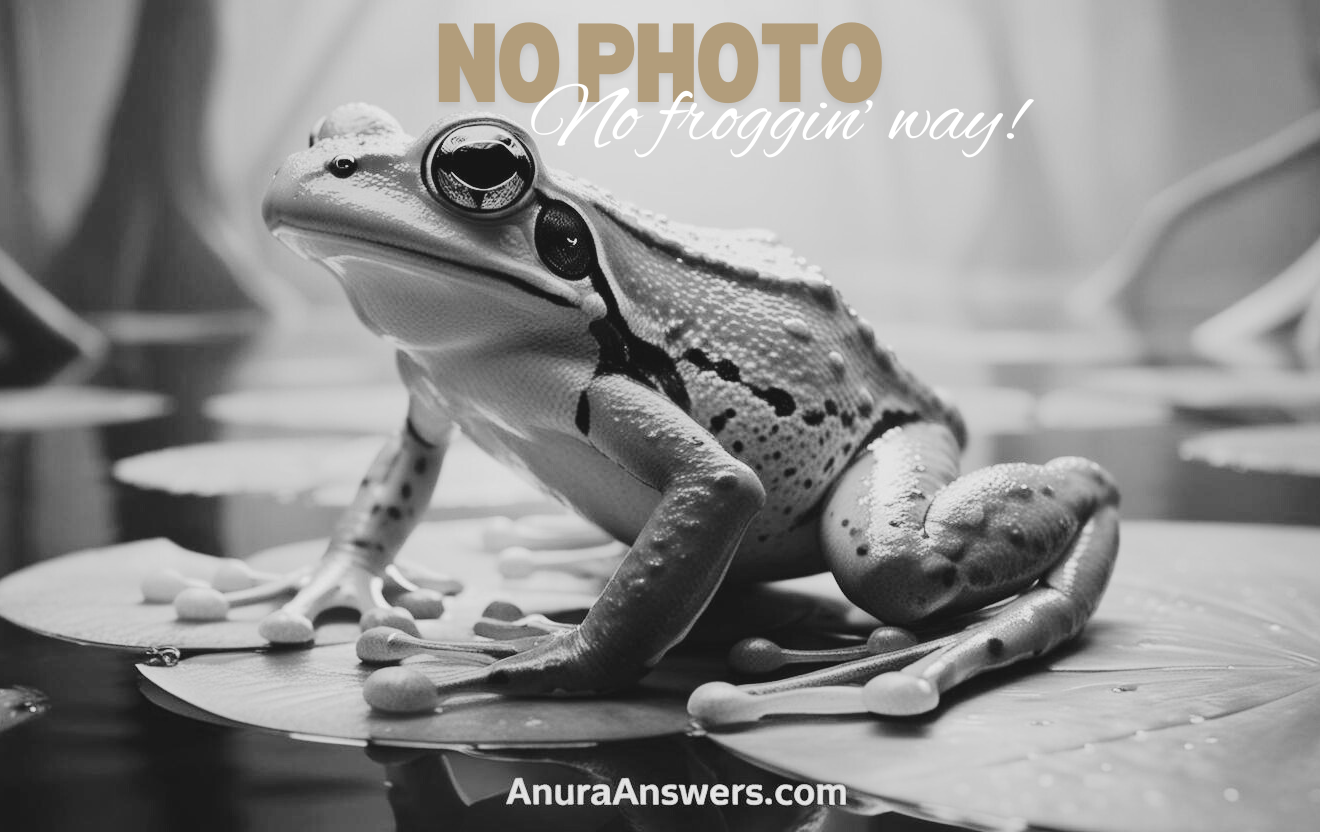
When setting eyes upon Centrolene azulae for the first time, one can’t help but marvel at nature’s extraordinary artistry. Measuring approximately 2 centimeters from snout to vent, this petite amphibian boasts a fragile stature, delicate limbs, and distinctly graceful proportions. Yet, despite this fragility, Centrolene azulae showcases intriguing physical adaptations crafted meticulously by evolution—a design inspired by survival.
The striking feature, of course, lies in its translucent ventral skin which reveals the inner workings of its tiny body: hearts beating rhythmically, veins catching the faint light, and brilliant turquoise-green bones glowing softly beneath the skin. Combined with its vibrant bluish-green coloration on the dorsal side and small, bright emerald eyes, the glass frog’s appearance resembles a precious jewel rather than a living creature.
This unique see-through arrangement serves as an ingenious adaptation termed “dorsal-ventral counter-shading,” a strategy designed to confuse would-be predators lurking below. Looking upwards, predators experience difficulty distinguishing the soft silhouette of the frog from the leaf above due to sunlit transillumination, ensuring Centrolene azulae’s delicate body remains nearly invisible in sunlight or moonlight alike.
Behavior and Life Cycle: A Symphony in Moonlight#
Feeding Habits and Diet#
Centrolene azulae feeds primarily on insects and arthropods abundant in its cloud forest habitat. Equipped with acute eyesight and quick reflexes, the frog patiently waits atop foliage stalks, then swiftly lunges at unsuspecting prey with pinpoint accuracy. Their menu typically includes small spiders, fruit flies, mosquitoes, ants, and various tiny beetles, making them valuable natural agents of insect population control within their ecosystem.
Reproduction and Parental Care#
The mating rituals of Centrolene azulae are melodious affairs, intricately tied to seasonal rainfall and the rhythmic pulses of nature. During rainy nights, male glass frogs congregate near streams, lakes, and ponds, perched above water-logged foliage to emit soft, tinkling calls to attract females. Competition arises, not through aggression but rather through melodic display; males harmonize and overlap, forming an enchanting nocturnal chorus resonating through the forest understory.
After meticulous selection, female glass frogs deposit jelly-like clusters of eggs upon foliage hanging above calm streams, the perfect nursery for developing tadpoles. Interestingly, unlike many amphibians, Centrolene azulae parents show devoted paternal care. Fathers vigilantly guard the eggs, protecting them from parasitic insects and potential fungal infections by carefully moisturizing and inspecting the delicate clutch. When ready, the hatchling tadpoles drop gently into the underlying water, often at the mercy of water currents and predators, completing their transformation from aquatic larvae to terrestrial adults over several weeks.
Ecological Role: Guardians of the Cloud Forest Ecosystem#
Glass frogs like Centrolene azulae occupy critical ecological niches within their unique montane ecosystems. Their diet of insects effectively maintains balance among arthropod populations, preventing potential outbreaks of pest species that could threaten the vegetation. Moreover, these amphibians serve as a crucial food resource for larger predators, including certain birds, reptiles, and small mammals, embedding them firmly within interconnected food webs as both predators and prey.
More importantly, glass frogs represent essential bioindicators due to their skin sensitivity to environmental changes. The health and abundance of populations like Centrolene azulae reflect the broader health of their rapidly diminishing habitats, highlighting threats posed by pollution, climate variability, and human encroachment before they become irreversible.
Threats and Conservation Status: Preserving a Fragile Survivor#
Despite their hidden existence, the survival of Centrolene azulae remains precarious. Habitat destruction propelled by deforestation, agriculture expansion, logging activities, mining practices, and urbanization represent primary risk factors, severely fragmenting delicate cloud forest ecosystems. Additionally, the species faces growing threats from global climate change, altering rainfall patterns and temperature regimes critical to its reproductive success.
Currently assessed by the International Union for Conservation of Nature (IUCN) as Vulnerable, the glass frog urgently requires conservation intervention. Ongoing biodiversity programs prioritize habitat protection, climate resilience initiatives, breeding and reintroduction efforts, and local community engagement aimed at safeguarding the long-term survival of Centrolene azulae.
Cultural and Scientific Significance: Beyond Biological Beauty#
Culturally and scientifically, glass frogs like Centrolene azulae resonate positively with local populations and researchers alike. Indigenous communities frequently incorporate such impressive small creatures into folklore symbolizing renewal, purity, and wisdom, whereas biologists recognize their immense value in understanding environmental dynamics and amphibian physiology.
Conclusion: A Fragile Harmony Worth Protecting#
The entrancing Centrolene azulae indeed invites us to marvel at nature’s delicate yet resilient beauty, urging us all to appreciate and protect intricate ecosystems hidden from view yet pivotal for planetary health. As ambassadors of the cloud forests, these frogs reveal a fragile yet resilient harmony between wildlife and wilderness, underscoring an unwavering environmental truth—we remain custodians entrusted with nurturing and conserving Earth’s profound biological diversity.
Let us not merely admire but stand vigilant; not just observe but advocate—for the extraordinary Blue Glass Frog depends on us to preserve its translucent wonder and the very habitats that shelter it.