- Calyptocephalella gayi: The Enigmatic Chilean Giant Frog of Southern Wetlands
- Taxonomy and Classification
- Natural Habitat: A Watery Eden of Southern Chile
- Physical Characteristics: The Gentle Giant of Frogs
- Behavior and Life Cycle: Secretive Lives Beneath the Surface
- Ecological Role: The Amphibious Keystone of the Southern Wetlands
- Threats and Conservation Status: Beyond the Edge of Vulnerability
- Cultural and Scientific Significance: A Heritage Worth Preserving
- Conclusion: Protecting the Chilean Giant Frog—A Plea to Conserving Our Heritage
Calyptocephalella gayi: The Enigmatic Chilean Giant Frog of Southern Wetlands#
Beneath the tranquil surfaces of freshwater wetlands, ponds, and rivers hidden away in the lush temperate forests of southern Chile, an amphibious titan dwells inconspicuously. Meet Calyptocephalella gayi, affectionately known as the Chilean giant frog—an emblematic yet enigmatic resident of the Chilean biodiversity hotspot. This frog is not merely remarkable for its impressive size, reaching lengths up to 20 centimeters, but also for its intricate ecological role and cultural symbolism it shares with local communities. Despite its captivating presence, however, the Chilean giant frog remains poorly understood and increasingly threatened, beckoning us to embark upon a deeper exploration into its fascinating biology, behavior, and conservation story.
Beyond simply being an impressive amphibian by virtue of scale, Calyptocephalella gayi inhabits a world of subtle connections, hidden relationships, and precarious balance. By uncovering its mysterious life, we unlock secrets that hold implications for conservation, ecology, and perhaps even our own survival. Let us journey into the watery realms of this awe-inspiring creature and unravel its unique place within the tapestry of southern Chile.
Taxonomy and Classification#
Unveiling the scientific heritage of the Chilean giant frog invites us into the fascinating world of taxonomy. Classified firmly within the family Calyptocephalellidae, it represents a lineage that diverged deep in amphibian evolutionary history. Known scientifically as Calyptocephalella gayi, earlier literature occasionally refers to it under another genus—Caudiverbera gayi—though modern phylogenetic studies have decisively placed it within Calyptocephalella. It stands distinguished by its remarkable size, characteristic features, and limited distribution, all of which underscore its unique identity among frogs worldwide.
Interestingly, taxonomists point out that this species has relatively few close relatives within its narrow family, underscoring the ancient and specialized nature of the frog’s lineage. Its evolutionary origin and isolated existence within southern Chile enhance its value as a living relic, offering researchers invaluable insights into the biogeographical patterns shaping New World amphibian evolution.
Natural Habitat: A Watery Eden of Southern Chile#
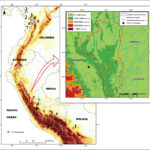
Imagine immersing yourself in lush valleys, verdant forests, and pristine wetlands bubbling with life—this enchanted landscape typifies the home of Calyptocephalella gayi. This remarkable amphibian is endemic exclusively to central and southern Chile, extending from regions surrounding Santiago southward to the damp, mist-covered corridors of Los Lagos. Here, among freshwater sources—lakes, ponds rich with aquatic vegetation, gentle rivers, and streams—they find an ideal refuge.
An Ideal Refuge: Habitat Preferences#
Thriving at lower elevations, usually from sea level up to around 500 meters, the Chilean giant frog favors clean, slow-moving waters fringed by abundant plant life. Dense reedbeds and lily pads emerging atop tranquil pools provide ideal ambush points for prey, shelter from predators, and critical nurseries for eggs and larval development. These subtle aquatic microhabitats not merely offer shelter, but they also shape the entire existence of this captivating frog.
The complex interconnection with its habitat goes beyond mere preference. As amphibians, these frogs possess permeable skin, allowing them to readily absorb both water and contaminants, making the health of the environment profoundly influential on their overall wellbeing. Habitat quality acts, therefore, as the driving force behind population dynamics, reproductive success, and ultimately the survival of the species itself.
Physical Characteristics: The Gentle Giant of Frogs#
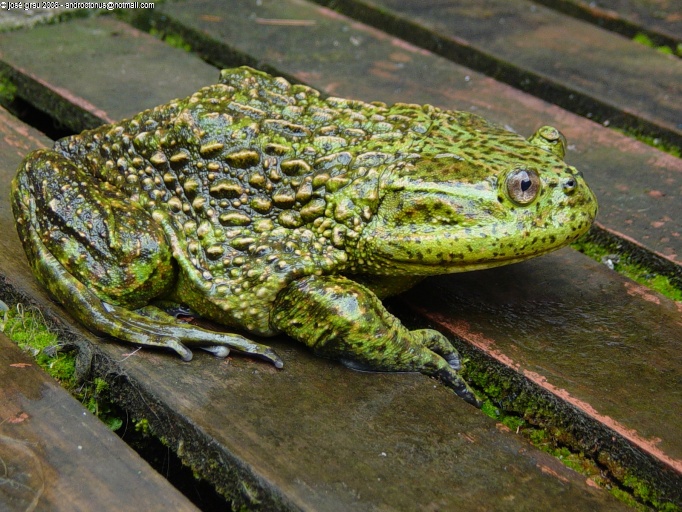
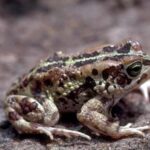
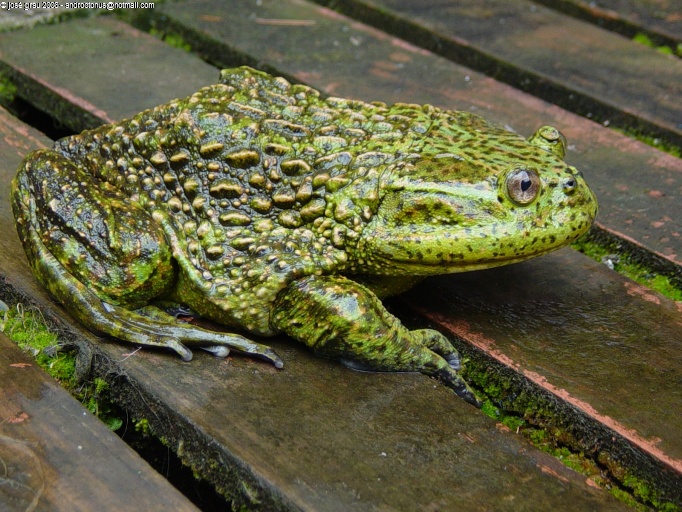
Few images from the amphibian world can rival the sight of an adult Calyptocephalella gayi lounging peacefully beside a Chilean pond. Adults regularly achieve substantial sizes, often reaching lengths upwards of 20 centimeters and weights approaching one kilogram—the largest frog native to Chile and indeed one of the largest amphibians found throughout the Americas.
Their robust figures consist of broad, muscular bodies with powerful legs perfectly designed for swimming, leaping, and effective predation. Their coloration, typically varying from olive-green and brown hues to dark mottled greys, serves not merely aesthetic purposes—it renders them nearly invisible among muddy banks and aquatic vegetation, an adaptation crucial for effective camouflage from their prey and predators alike.
A distinctive trait of the frog is its pronounced rounded head, broad mouth, and eyes positioned prominently atop the skull, indicating a specialized ambush strategy where only the eyes remain visible as they patiently await their next meal. Combined, these characteristics showcase an animal exquisitely adapted to seamlessly integrate within its aquatic home.
Behavior and Life Cycle: Secretive Lives Beneath the Surface#
Unobtrusive, patient, and predominantly no-nonsense, the Chilean giant frog exemplifies stealth and patience as foundational principles in nature’s designs. Predominantly nocturnal, these impressive amphibians carry out much of their daily existence beneath cloak of darkness, emerging with the cover of nightfall for feeding and reproduction.
Predator and Ambush Hunter#
The dietary preferences of Calyptocephalella gayi extend impressively through a variety of prey—including smaller invertebrates, fish, crustaceans, and occasionally smaller amphibians, even conspecific juveniles. Using a sit-and-wait tactic, they rely on their camouflage and patience, lying motionless submerged underwater with eyes barely protruding above the surface. This ambush-style predation leaves little chance for prey detection, allowing these frogs to firmly establish their role as apex predators within their aquatic worlds.
Reproduction: A Life Cycle Immersed in Water#
As winter rains saturate their habitats and mild temperatures signal the arrival of breeding season, choruses of male Calyptocephalella gayi can be heard resonating across ponds and wetlands. The males broadcast deep, resonant mating calls to attract the attention of females, who will deposit thousands of gelatinous eggs underwater, carefully ensuring conditions are optimal for their offspring’s survival.
The developing embryos soon hatch into tadpoles—large, impressively hardy larvae exceptionally adapted to enduring life beneath their water-rich nursery. Over the course of several months, these tadpoles experience a dramatic metamorphosis, gradually sprouting limbs, developing lungs, and transitioning skillfully into fully terrestrial amphibians. Yet, even after leaving this early aquatic refuge, they remain intimately connected to their native wetlands, completing an intricate lifecycle essential to their fragile ecosystems.
Ecological Role: The Amphibious Keystone of the Southern Wetlands#
The ecological significance of the Chilean giant frog reaches far beyond simple predation. As top aquatic predators, they maintain robust population control over smaller aquatic animals, thereby shaping the overall diversity and health of their freshwater ecosystems. Further importance arises from their status as indicator species—a living sentinel whose health mirrors that of their surrounding environment. Healthy populations reflect pristine, intact ecosystems; declining numbers may signify contamination, climate fluctuation, or habitat degradation, alerting us to deeper ecological problems within the wetland.
Threats and Conservation Status: Beyond the Edge of Vulnerability#
Despite its prominence among amphibians, the IUCN classifies Calyptocephalella gayi as Vulnerable, a worrying indication of the negative pressures now afflicting these gentle giants. Habitat destruction—the loss and fragmentation of wetland habitats due to agriculture, forestry, and urbanization—constitutes the single largest existential threat. Climate change exacerbates these threats, altering rainfall patterns and temperatures crucial to the frogs’ life cycle success. Additionally, pollution from agricultural runoff, urban contaminants, and introduced invasive species accelerates the decline.
Fortunately, dedicated conservation initiatives, including habitat restoration and protective legislation, now aim to reverse these trends. Community education, conservation alliances, and scientific monitoring also play critical roles in effectively safeguarding the frog’s fragile existence.
Cultural and Scientific Significance: A Heritage Worth Preserving#
Calyptocephalella gayi occupies an exceptional niche within Chilean cultural folklore, symbolizing fertility and environmental purity in local indigenous cultures. Scientifically, it stands as an ambassador species—facilitating research in ecology, biodiversity conservation, and amphibian biology.
Conclusion: Protecting the Chilean Giant Frog—A Plea to Conserving Our Heritage#
The fate of Calyptocephalella gayi lies intertwined with our commitment to safeguarding vulnerable habitats and species. By preserving the Chilean giant frog, we protect countless other species, ecosystems, and traditions that rely upon these remarkable wetlands. The call for conservation must resonate through us all.