- Discovering Rhinella diptycha: The Fascinating World of the Cururu Toad
- Understanding Taxonomy and Classification
- The Natural Habitat: A Portrait of Adaptability
- Anatomy and Physical Features: 'The Sturdy Survivor'
- The Captivating Behaviors and Life Cycle of Rhinella diptycha
- Ecological Importance: Balancing Nature’s Scale
- Pressures, Threats, and Conservation Status
- Cultural Reflections and Scientific Insights
- Concluding Thoughts: A Call for Connection and Conservation
Discovering Rhinella diptycha: The Fascinating World of the Cururu Toad#
In the bustling tapestry of South American wildlife, few amphibians command attention quite like Rhinella diptycha, commonly known as the Cururu Toad or Schneider’s Toad. Renowned not only for its intriguing physical appearance but also its remarkable adaptability and ecological importance, this species encapsulates the harmony and complexity within ecosystems across the continent. From the deep melodious night-calls resonating in grasslands to its sturdy presence around reflective lakeshores and wetlands, Rhinella diptycha invites curiosity from naturalists and enthusiasts alike. Did you know this robust amphibian is not just widespread but vital for pest control and ecological balance?
Join us on an immersive journey into the captivating biology, intriguing behaviors, ecological contributions, and pressing conservation realities of Rhinella diptycha.
Understanding Taxonomy and Classification#
Belonging to the Bufonidae family—commonly referred to as “true toads”—Rhinella diptycha was once classified broadly within Rhinella schneideri, but recent genetic and morphological studies have elucidated critical distinctions, granting it full, separate species status. The genus Rhinella itself comprises diverse species known for their rugged appearance, generally robust builds, and unique defensive glands. Rhinella diptycha’s specific name, diptycha, is derived from the Greek “diptychos,” meaning double-folded, referencing the characteristic folded parotoid glands behind the eyes that secrete defense toxins critical to their survival.
Close Relatives and Family Ties#
Closely related species, including Rhinella marina (the infamous Cane Toad), share some physical characteristics and ecological niches. Yet Rhinella diptycha offers distinctions that foster fascination among scientists and conservationists, making it an intriguing subject in amphibian studies. Understanding these relationships enhances our appreciation and highlights the evolutionary paths amphibians have traversed within the South American landscape.
The Natural Habitat: A Portrait of Adaptability#
Rhinella diptycha thrives predominantly across regions of Brazil, Argentina, Paraguay, and Uruguay—areas characterized by varied habitats from open grasslands, savanna ecosystems, to semi-arid regions. Remarkably versatile, this sturdy amphibian is often associated with altered landscapes, suggesting a high degree of resilience. It is commonly observed in human-dominated regions, such as agricultural and urban areas, demonstrating an unusual tolerance to anthropogenic disturbance.
Preferred Environmental Conditions#
Ideally, Rhinella diptycha favors moist environments near freshwater sources, including ponds, temporary puddles formed during rains, slow-flowing rivers, and irrigation channels. Habitats rich in vegetation offer the security and concealment needed during daytime repose. At dusk, these toads assertively emerge, boldly engaging with their landscape, signaling their presence through resonant vocalizations that cut through the tranquil night, stitching together wildlife symphonies audible across significant distances.
Their adaptability—a cornerstone in species survival—illustrates how Rhinella diptycha has evolved mechanisms to thrive alongside humanity, yet underscores their rightful place in natural ecosystems.
Anatomy and Physical Features: ‘The Sturdy Survivor’#
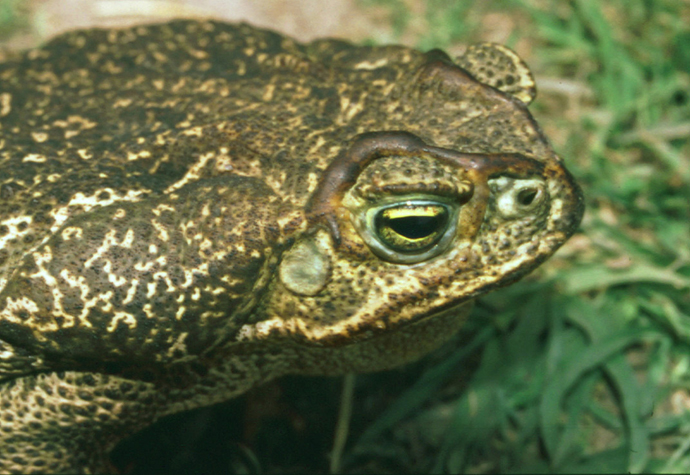
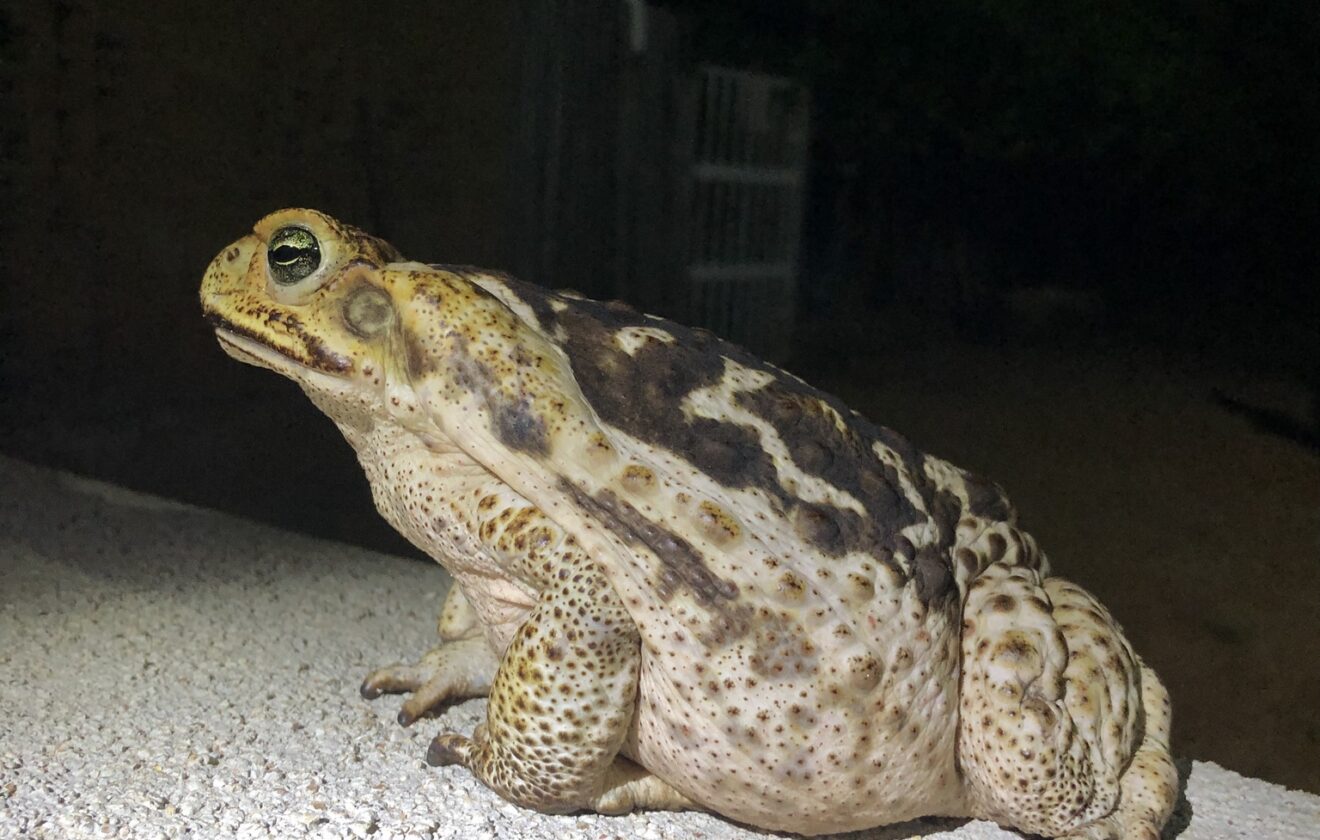
Rhinella diptycha is undoubtedly impressive, embodying a solid physique suited to a terrestrial lifestyle. Characterized by a robust body, rough and textured skin speckled with wart-like protrusions, their form speaks eloquently of evolutionary efficiency. Adults generally measure between 10 to 14 centimeters but can grow even larger depending upon environmental conditions and geographical location. Its strong hind limbs demonstrate impressive strength, facilitating powerful jumps and propelling swift leaps when threatened.
Coloration and Camouflage#
Typically displaying coloration in shades of brown, grey, or earthy green hues, Rhinella diptycha blends remarkably with its terrestrial surroundings. This cryptic coloration serves as essential camouflage in avoiding predators, especially keen-eyed birds and stealthy mammals. Unique dark markings often pattern its back, further enhancing concealment among leaf litter, shrubbery patches, and loose soils.
Defense Adaptations: Nature’s Ingenious Tactics#
Beyond the camouflage that safeguards their repose, Rhinella diptycha employs chemical warfare in defense. Parotoid glands prominently sit behind its eyes, secreting potent bufotoxins when threatened—substances potent enough to discourage most predators. While typically harmless to humans if handled carefully and cautiously, this defensive strategy effectively maintains the toad’s survivorship amidst an environment thick with predators.
The Captivating Behaviors and Life Cycle of Rhinella diptycha#
As nocturnal creatures, evenings beckon Rhinella diptycha to forage under the moonlit skies. Within these shadowy realms, the rhythms and rituals of feeding, courtship, and succession silently unfold.
Foraging and Feeding Habits#
Armed with voracious appetites, Rhinella diptycha feeds predominantly on invertebrates—beetles, ants, spiders, and other ground-dwelling insects constitute the staple diet. Such feeding positions them as vital contributors to controlling insect populations, often mitigating pest threats for adjacent agricultural landscapes and human habitations. They utilize a keen sense of vision and specialized tongues capable of swift, decisive actions—grabbing prey with pinpoint accuracy, underscoring their role as efficient predators.
Beneath Moonlit Waters: Breeding Rituals#
After heavy seasonal rains, the landscape resonates with collective choruses rising from males seeking mates. Rhinella diptycha males vocalize deeply resonant mating calls, an acoustic beacon attracting females toward water bodies for reproduction. The chorusing, a mesmerizing nature performance, is one of ecology’s memorable spectacles, unveiling vivid demonstrations of biodiversity and reproductive vigor.
Once a female selects an ideal partner, mating embraces called amplexus occur in the water or its margins. Females emit vast egg strings interwoven among aquatic vegetation, a reproductive strategy ensuring many offspring survive accessibility to food and shelter. Tadpoles, emerging after mere days, navigate hazardous waters, warding off predation, competition, and environmental challenges until transformation into juvenile toads occurs—a journey fraught with danger but necessary for species replenishment.
Ecological Importance: Balancing Nature’s Scale#
The ecological role of Rhinella diptycha looms large within the tapestry of South American ecosystems. Their voracious insectivorous appetites contribute to insect regulation, notably mitigating pest pressures affecting human communities and agriculture. Simultaneously, they serve as a vital traffic junction within trophic levels—both predator and prey, thus maintaining ecological harmony across ecosystems.
Their adaptability to urbanization amplifies their significance, as urban ecosystems increasingly function as biodiversity reservoirs—spaces where Rhinella diptycha exemplifies harmonious coexistence alongside humanity.
Pressures, Threats, and Conservation Status#
Remarkably resilient though Rhinella diptycha has proven itself amidst human-modified environments, vigilance remains imperative. Habitat alteration through agriculture, pesticide pollution, and urbanization pressure conventional reproductive habitats, posing subtle yet real threats to population health and stability.
Current Conservation Measures#
Currently classified as Least Concern by the IUCN, Rhinella diptycha enjoys noteworthy population stability across much of its range, partly due to adaptability. Nonetheless, proactive conservation practices remain essential, prioritizing habitat preservation, wetland conservation, pollution controls, and ecological education programs. Active participation from local communities, educators, and environmentalists propose significant potential for securing long-term survival prospects for Rhinella diptycha populations.
Cultural Reflections and Scientific Insights#
Throughout Brazil and neighboring nations, the Cururu Toad plays subtle cultural roles—integrated within folklore, symbolizing rainfall, fertility, or even serving as harbingers of seasonal changes. Beyond cultural reflections, Rhinella diptycha’s potent toxin compositions intrigue researchers, promising potential biomedical applications in pain management and antibiotic resistance research—a vivid testament to the scientific significance profoundly embedded within species biodiversity.
Concluding Thoughts: A Call for Connection and Conservation#
Rhinella diptycha embodies nature’s fortitude, adaptability, and nuanced complexity. Within its textured skin and resonating night calls dwell lessons of coexistence and ecological appreciation. As stewards and admirers of the natural world, understanding the vibrant lives of such captivating species encourages deeper bonds between humanity and our ecosystems.
We invite you—naturalists, students, conservation advocates, or curious minds—to step outside into starry evenings, listen closely for deep melodic calls, and join efforts safeguarding amphibian habitats. Together, our awareness, advocacy, and reverence for Rhinella diptycha ensure this captivating species continues performing its subtle, indispensable, and resonant ecological symphony far into our shared future.