Rhinella manu: The Enigmatic Toad of the Peruvian Amazon#
In the remote corners of one of the most biodiverse places on Earth—the dense, verdant rainforests surrounding Peru’s mighty Manu River—exists an inconspicuous yet remarkable creature. Its brownish hues blend effortlessly into leaf litter; its quiet movements and subtle habits elude casual observation. This elusive amphibian, scientifically recognized as Rhinella manu, captivates scientists and nature enthusiasts alike, offering fascinating glimpses into the intricate web of life thriving beneath the shady canopy.
Though modest in appearance, Rhinella manu holds secrets that enrich our understanding of rainforest ecosystems, from its crucial ecological roles to its intriguing behaviors. Join us on an immersive journey into the heart of South America’s wilderness as we uncover the mysteries surrounding this extraordinary amphibian.
Taxonomy and Classification#
To fully appreciate Rhinella manu, it’s essential to explore its scientific placing within the tree of life. Belonging to the family Bufonidae, commonly known as the True Toads, this family comprises an impressive variety of toads distributed globally—each adapted beautifully to their diverse environments.
The genus Rhinella, to which our subject species belongs, includes a range of toads best known for their characteristic warty skin and pronounced parotoid glands behind their eyes. Species within this genus typically display impressive adaptability, successfully inhabiting diverse habitats from lowland marshes to high-altitude cloud forests. Within this group, Rhinella manu was relatively recently described by scientists, highlighting how the Peruvian Amazon continually surprises biologists with undiscovered species and novel insights.
Phylogenetically, Rhinella manu finds itself closely related to other Amazonian Rhinella species, collectively contributing invaluable information on evolutionary dynamics in amphibians thriving in complex rainforest ecosystems.
Natural Habitat#
A Jewel Hidden Within Manu National Park#
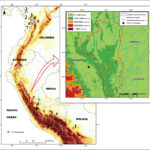
The specific epithet ‘manu’ directly relates to the Manu region in southeastern Peru, a UNESCO-acclaimed natural wonder renowned globally for unparalleled biodiversity. Hidden deep within Manu National Park, Rhinella manu prefers the humid, shadowy understory of mature rainforests, particularly those growing along tributaries and smaller watercourses nestled beneath dense canopy layers.
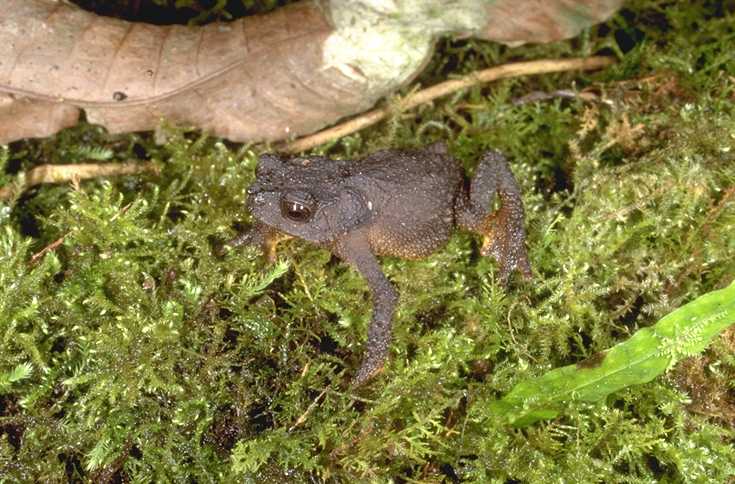
Visualize thick, leaf-litter-covered forest floors peppered with moss-draped logs and twisted roots snaking across damp soil—this is precisely the microhabitat where Rhinella manu flourishes. High humidity, moderate temperatures, and sufficient prey availability make these secluded microhabitats perfect amphipbian refuges. Here, beneath a blanket of perpetual green, amid the murmurs of flowing streams and chirping insects, these toads live quietly, their presence unnoticed except by those patiently tuned into nature’s subtle rhythms.
Physical Characteristics#
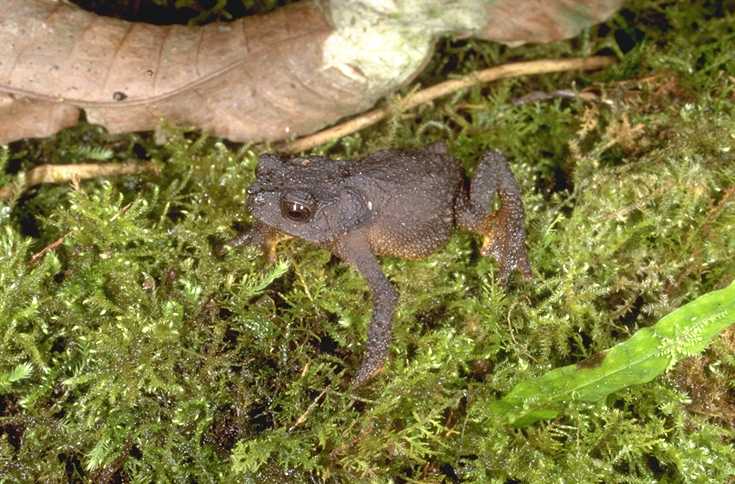
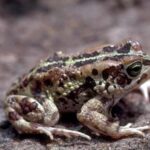
Like many of its fellow toads, Rhinella manu possesses distinct characteristics finely attuned to survival in a dynamic rainforest habitat. Adults are modest in size, generally measuring between 40 to 60mm from their snout to their vent—an ideal size for navigating thick vegetation and blending seamlessly with their surroundings.
The coloration varies subtly, primarily incorporating shades of dull brown, olive, and gray, though precise patterns and hues may shift slightly across its geographic range. This earthy pallor, accented occasionally by darker mottled spots or faint, indistinct dorsal stripes, renders them virtually invisible among leaf litter—a critical adaptation against predators.
Their skin texture demonstrates classic characteristics of true toads—comparatively dry and warty, subtly textured to resemble their leaf-covered habitat. Their prominent parotoid glands, positioned just behind piercing, amberish eyes, serve as chemical deterrents against predators, secreting mildly toxic compounds distasteful enough to deter potential predators.
Behavior and Life Cycle#
A Secretive Life Among Leaves and Shadows#
To observe Rhinella manu in the wild requires patience and quiet observation. Active primarily during the twilight and night hours, these amphibians lead cryptic lives, shuffling gently through the leaf litter or patiently waiting in ambush for passing prey. Occasionally, following rains or increased humidity, they venture from hiding, cautiously exploring nearby stream edges or moisture-laden trails.
As opportunistic feeders, their diet generally consists of small insects, spiders, and other arthropods encountered on the forest floor. Their silent, steadfast hunting strategy relies heavily on keen eyesight and sudden, lunging bursts to capture prey with precise accuracy.
An Intimate Breeding Dance#
With seasonal rains arriving from November to March, Rhinella manu awakens to breed. Males produce subtle yet audible mating calls—a gentle trill resonating softly around streamside vegetation. Gathered around ephemeral pools, streams, or quiet backwaters, females respond to these calls, initiating the complex, fascinating courtship rituals intrinsic to amphibian biology.
Females lay gelatinous strands of eggs, anchored carefully to submerged vegetation or shallow pools—sites selected thoughtfully to safeguard emerging larvae from numerous predators and environmental stresses. Here, within these hidden nurseries, tadpoles hatch, developing rapidly to maturity, transforming from aquatic herbivores into terrestrial insectivores over several weeks.
Ecological Role#
Amid dense foliage and hidden waterholes of Manu’s rainforest, every species exhibits carefully balanced ecological roles—Rhinella manu is no exception. As both predator and prey, this amphibian occupies a crucial position that sustains ecological harmony. By managing populations of countless insects, these toads safeguard plants from rampant herbivory, while simultaneously providing food for larger predators like snakes, birds, and small mammals.
Furthermore, their sensitivity to small environmental shifts grants them a special position as biotic indicators. Populations thriving indicate healthy forest ecosystems, whereas declining numbers hint at broader ecological threats looming quietly in pristine habitats.
Threats and Conservation Status#
Currently, the International Union for Conservation of Nature (IUCN) lists Rhinella manu under Data Deficient (DD), reflecting the insufficient research data available and highlighting the need for deeper conservation assessments. However, despite its relatively isolated habitat within Manu National Park, the species is not immune to mounting pressures faced elsewhere in the Amazon.
Habitat degradation caused by illegal logging, mining encroachments, agriculture expansion, and climate change looms ominously on the periphery. Occasionally, invasive species and the spread of diseases like chytridiomycosis pose additional threats. Hence, concentrated conservation efforts and ongoing ecological monitoring become paramount in protecting this species’ unique habitat and ensuring its continued survival.
Cultural and Scientific Significance#
Although not widely known or celebrated within traditional cultures, amphibians like Rhinella manu represent important symbols among indigenous communities of the Amazon. Traditionally, toads and frogs often symbolize fertility, rain, rebirth, and ecological balance, embodying the interconnectedness inherent to rainforest life.
Scientifically, the species serves as a focal point for research, further unveiling intricate ecological relationships between amphibians and their environments. Such discoveries help inform conservation strategies and deepen understanding of broader ecological concepts related to biodiversity, habitat health, and evolutionary adaptability.
Conclusion#
The quiet and elusive presence of Rhinella manu within Peru’s Manu National Park highlights nature’s endless ability to surprise and inspire. Each discovery surrounding this delicate species affirms the immense complexity of Amazonia and underscores the urgency of safeguarding these habitats.
As nature lovers, educators, scientists, and enthusiasts, we all bear responsibility in ensuring Rhinella manu continues its life hidden among leaves and shadows—an unseen yet vital part of our planet’s biodiversity. Let us commit to furthering our understanding, appreciation, and protection of such precious, enthralling creatures.