Discovering Rhinella kumanday: Unveiling the Secrets of Colombia’s Cloud Forest Master of Camouflage#
Amid smoky shrouds of moisture-rich cloud forests, nestled among the slopes of the Andean landscape, dwells a creature whose subtle beauty and cryptic behavior make it a true gem of herpetological discovery. Meet Rhinella kumanday, a species of toad whose existence enriches the pristine ecosystems of Colombia’s Central Andes. Its scientific name conjures up allusions to indigenous legends: “Kumanday,” an ancient term imbued with reverence, refers intimately to the looming volcanism of Nevado del Ruiz. Intriguingly adapted to life amid humidity-drenched, moss-carpeted forest floors, this fascinating amphibian exemplifies nature’s resilience and silent wonders.
Rhinella kumanday was first scientifically recognized and described only recently in 2015, making it one of those precious reminders that our planet still harbors undiscovered secrets. Its presence not merely represents biodiversity; rather, its survival is intertwined intimately with the conservation narratives echoing through the Andean montane landscapes—forests that hang delicately between human advancement and natural conservation. As we proceed, journey into the lush world of this captivating amphibian to explore its unique biology, remarkable ecological role, and critical conservation implications.
Taxonomy and Classification#
Belonging to the substantial family Bufonidae—commonly known as “true toads”— Rhinella kumanday fits comfortably within a lineage known for its adaptive traits and cosmopolitan global distribution. Bufonidae members command a tremendous adaptive plasticity, inhabiting diverse habitats ranging from deserts and grasslands to rainforests across the globe.
Within the genus Rhinella, numerous closely related species thrive, many confined geographically to South America’s Andean and Amazonian regions. The genus name, Rhinella, cleverly hints at the animal’s most characteristic morphological feature: an evident cranial ridge and a distinctly sculpted snout. Such adaptation likely proves beneficial in sensing prey, navigating terrain, or ensuring effective camouflage. In terms of taxonomy, Rhinella kumanday sits nearby other notable Rhinella species like Rhinella marina, the infamous invasive cane toad, and the more benign, ecologically delicate Rhinella granulosa. Yet, despite familial ties, Rhinella kumanday remains unique, finely tuned to its peculiar Andean niche.
Natural Habitat#
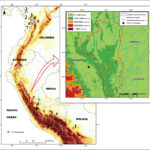
Perched within Colombia’s Central Andes—particularly nestled in the lush cloud forests surrounding Nevado del Ruiz volcano—lies the specialized home of Rhinella kumanday. This frog inhabits montane forests primarily located above 2,500 meters elevation, a zone collectively termed “high-altitude cloud forests.” This specialized ecosystem is perpetually bathed in mist, swirls of humidity dancing around ancient trees laden with epiphytic flora. Mosses and lichens drip heavily from branches—life here pulses with moisture, temperate coolness, and atmospheric mystique.
Such habitats offer perfect microclimates for this modest amphibian. The thick herbaceous understory, rotting logs, leaf litter, and humid crevices constitute suitable refuges, breeding grounds, and hunting terrain for members of this delicate toad species. They are experts at stealthily maneuvering through the dense understory of moss-covered trees and ferns, rarely venturing far from moist shelter. These habitats frequently experience temperature fluctuations, especially with elevation changes, allowing adaptability among the frogs that call these microhabitats home. For species like Rhinella kumanday, the ability to thrive in specialized environmental pockets underscores the urgent need for conserved and intact Venezuelan and Colombian Andean ecosystems.
Physical Characteristics#
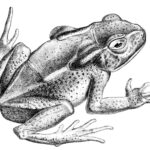
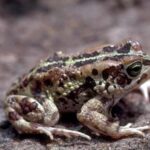
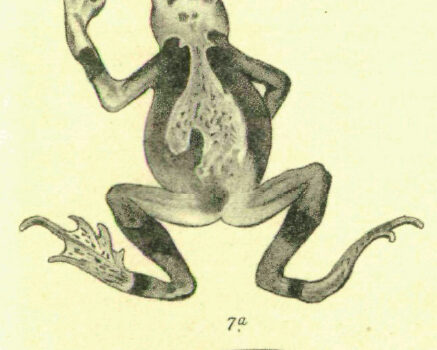
Rhinella kumanday exhibits typical “toad-like” morphology: it possesses a robust body, short sturdy limbs that keep it near the ground, and rough-textured skin dotted beautifully with wart-like protrusions and nuanced coloration patterns. An adult specimen typically ranges from 45–60 mm, categorizing it among moderate-sized members of its genus.
This fascinating amphibian often sports a cryptic pallette—rich shades of brown, olive green, and dark rust—allowing it masterful integration into leaf litter and moss-dappled substrates encountered in its Andean home. The skin, woven intricately with these earthy hues, serves as a life-saving cloak, effectively obscuring individuals from predators’ searching eyes. Prominent cranial crest ridges running between and above their eyes constitute another distinguishing physical mark. These ridge structures, connected directly to their morphology, funnel rainwater along their head surfaces, channeling moisture directly toward their bodies and ensuring hydration amid fluctuating forest humidity.
Additional adaptive innovations include striking golden-bronze eyes with horizontally oriented slit-like pupils, ideal for visual acuity during twilight hours or amid subdued daytime sunlight filtering through thick vegetation. Although not aggressively poisonous, this amphibian possesses specialized paratoid glands secreting mild toxins suited primarily to deterring smaller predators or irritants without significantly harming humans or larger forest dwellers.
Behavior and Life Cycle#
Feeding Strategies and Diet#
Most toads, Rhinella kumanday included, maintain largely insectivorous diets. Equipped with sticky, tongue-snapping techniques characteristic of true toads, they deftly ambush prey. As dusk descends upon forest floors, these frogs awaken, agilely navigating amid fallen leaves and moss, hunting primarily for insects, small arthropods, spiders, ants, beetles, and occasionally worms. Opportunistic feeding manners allow them flexibility, depending on seasonality and prey availability.
Mating Calls and Reproduction#
Reproductive rituals form enchanting spectacles within these cloud forests, particularly as rainy seasons permeate through the habitat. Male Rhinella kumanday exhibit behavior resonant with amphibian choruses echoing through moist, cloud-strewn valleys and slopes. Small secluded pools, ephemeral puddles, or slow streams nourished by regular rainfall become nursery sites, wherein thousands of jelly-like eggs are carefully laid and fertilized. The gelatinous masses cling securely to submerged vegetation or rocky crevices for protection from currents and predators.
Tadpoles hatch within days, embarking on developmental journeys through aquatic life-stages, relying heavily on microscopic plant matter as essential nutrients for growth. Parental involvement is minimal, but the carefully selected breeding pools play a pivotal nurturing role ensuring tadpole survival. Young juveniles soon metamorphose from water-bound larvae into tiny replicas of their terrestrial parents: freshly evolved miniatures now reliant upon their cleverly honed camouflage and sensory adaptations.
Ecological Role#
As mid-level trophic participants, Rhinella kumanday provides critical ecosystem services within Andean forests. Its predation on abundant insects contributes significantly to biological pest control, indirectly sustaining plant life and reducing harmful insect outbreaks throughout local vegetation. Simultaneously, as prey, its abundance supports diverse predators, including birds, snakes, and larger amphibians, thereby enriching the ecological web.
Furthermore, the sensitivity of amphibians such as Rhinella kumanday makes them ideal indicator species whose populations fluctuate rapidly in response to even minor environmental shifts. Monitoring this species provides integral data helping conservation biologists assess and manage overall ecosystem health and stability within Colombia’s vulnerable montane habitats.
Threats and Conservation Status#
Rhinella kumanday faces tremendous ecological pressures—chiefly deforestation, climate change, agricultural expansion, urban encroachment, and pesticide use. All threaten this fragile forest habitat integral to its survival. Currently, it is classified as Critically Endangered by IUCN’s Red List, emphasizing dire necessity for immediate, focused conservation actions.
The preservation and recovery of their habitats are paramount. Scientists and conservationists actively study this species, initiating programs to monitor populations and habitat conditions closely. Efforts are underway to collaborate with surrounding local communities, ensuring sustained forest integrity, awareness campaigns, and co-creating solutions for a more secure, shared ecological future.
Cultural and Scientific Significance#
Traditionally, local indigenous communities regard certain toads as symbols of fertility and ecosystem balance. Consequently, discovering Rhinella kumanday contributes significantly including reaffirming cultural identities deeply embedded in ecosystem conservation practices.