Uncovering the Secrets of the Inca Toad: The Fascinating World of Rhinella inca#
In the lush and verdant cloud forests and high-mountain valleys of Peru, amid a tapestry of bromeliads and ferns cloaked in perpetual mist, dwells a creature so unassuming yet captivating that understanding its story provides a window into a hidden world of ecological harmony and delicate biodiversity. Known scientifically as Rhinella inca, the Inca Toad embodies a unique survival narrative intricately woven into the Andes’ heartlands.
At a first glance, this modest amphibian might appear as nothing more than a leafy ornament amidst foliage-strewn mountain streams. Yet beneath its olive-grey hues lies a fascinating ecological heritage intertwined with Peru’s rich cultural landscape. Its survival adaptations, resounding yet quaint mating calls, and critical ecological roles merit deeper exploration. Join me as we journey together into the high-altitude realms of this little-known amphibian to uncover its remarkable existence, pressing conservation needs, and significant scientific contributions.
Taxonomy and Classification#
To principle the discussion about Rhinella inca, understanding its place within the scientific tapestry of life reveals the evolutionary journey that shapes its current form. The Inca Toad belongs to the Bufonidae family, a group exclusively comprised of true toads. These toads share unique characteristics such as dry, warty skin adapted to terrestrial existence, poison glands called parotoids for defense, and a tendency toward slow, deliberate movement rather than agile leaping.
The genus Rhinella, within Bufonidae, is significantly diverse, encompassing numerous species scattered primarily throughout Central and South America. Closely related species within this genus often pose classification challenges, as morphological features can sometimes overlap. Yet, detailed genetic and geographic analysis has firmly established Rhinella inca as a distinct and unique species native to Peru’s rugged Andean mountains.
Natural Habitat#
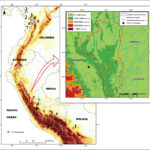
High in the Andean mountains of southern Peru, the Inca Toad carves out an existence among cloud forests and mountain streams situated between 2700 and 3500 meters above sea level. Picture a landscape bathed in mist for much of the year, where temperatures fluctuate unexpectedly, and life thrives in niches sculpted by layers of moisture and altitude. It is here, amidst moist rock faces, damp leaf litter, moss-covered boulders, and rapidly running streams, that Rhinella inca makes its home.
These amphibians prefer habitats characterized by ample humidity, mild temperatures, and proximity to freshwater sources essential for reproduction and larval development. Forest edges, streambeds fringed with ferns and mosses, and moist cliff walls host stable microclimates ideally suited to their needs. The abundance of insects, stable moisture regimes, and ample cover from vegetation and organic litter offer optimal conditions for their survival, enabling them to evade predators and harsh environmental extremes simultaneously.
Physical Characteristics#
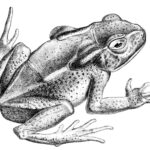
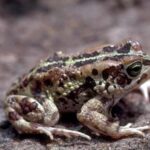
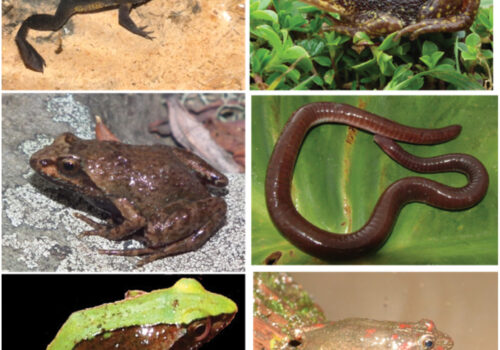
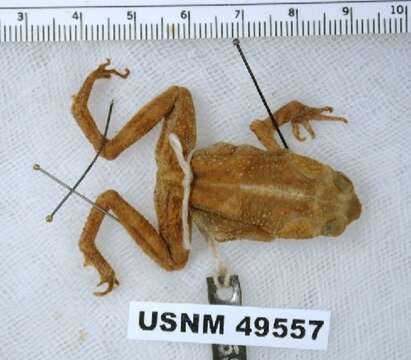
Rhinella inca bears a distinct yet subtle charm defined by small to medium-sized bodies averaging around five to eight centimeters in length. Their coloration showcases exquisite adaptive camouflage: mottled shades of grey, green, brown, and olive blend seamlessly with leaf litter, mosses, and rocky substrates, presenting the perfect palette for an amphibian seeking stealth rather than confrontation.
Their skin’s texture is notably rough, ornamented by distinctive warts and pronounced parotoid glands—prominent structures behind each eye that produce protective toxins deterring potential predators. This striking combination of camouflaged coloration and potent defenses ensures their longevity amidst notably perilous mountain ecosystems.
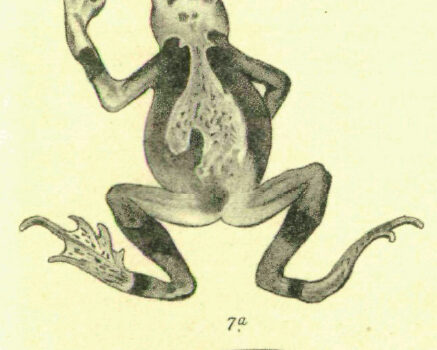
Slim limbs adorned with powerful yet subtle musculature allow precise navigation: each step calculated carefully on slippery stones and unstable forest ground. Large eyes positioned high on their heads present them with excellent visibility over their surroundings, while delicate oral structures effortlessly capture passing insects, crafting a finely balanced anatomical portrait adapted to its misty, mountainous domain.
Behavior and Life Cycle#
Feeding Habits#
As opportunistic terrestrial predators, Inca Toads predominantly consume a diet of insects and invertebrates, including flies, ants, beetles, spiders, and other accessible arthropods. Employing a sit-and-wait hunting methodology, these toads rely heavily on patience and stealth. Positioned inconspicuously against a stone or beneath a leaf, they anticipate unsuspecting prey passing within striking distance, flicking out sticky tongues with admirable precision that swiftly captures their elusive meals.
Reproductive Rituals and Tadpole Development#
The reproductive behaviors of Rhinella inca coincide with periodic rainy seasons, triggered notably by shifts in weather patterns and precipitation increases that ensure ideal conditions for laying and hatching eggs. Male toads engage in distinctive choruses—melodic yet gentle resonances echoing softly through the crisp mountain air during nightfall. These subtle mating calls invite receptive females to secluded streamsides, shallow pools, or quiet stream segments where fertilization laboriously unfolds amidst a synchronized duet of quiet croaks and whispers.
Females deposit gelatinous egg masses concealed carefully under rocks or around submerged vegetation. Over the ensuing weeks, tadpoles evolve through remarkable transformations, gaining complexity as they transition from exclusively aquatic larvae breathing through gills to juveniles bearing fully functioning lungs and terrestrial limbs. Emerging juvenile toads embody the vulnerable essence of ecosystem interconnectedness, dependent upon a stable physical environment and sufficient nourishment to transition successfully from aquatic origins into terrestrial adulthood.
Ecological Role#
Every living entity fulfills vital roles within its ecosystem, none more evident than the quiet yet indispensable existence enacted daily by the Inca Toad. As both predator and prey, Rhinella inca sits strategically at crucial trophic junctions, consuming insect populations and subsequently providing nourishment for predators such as snakes, birds, small mammals, and larger amphibians.
Their existence also acts as a critical ecological barometer. Amphibians, due to their permeable skin sensitivity to chemical and environmental influences, often signal early indicators of ecological stress or degradation. Declines or alterations in their populations can warn biologists and environmental researchers about broader ecosystem problems, giving them precious opportunities to intervene or monitor potential risks.
Threats and Conservation Status#
Despite its ecological importance, the future of the Inca Toad faces considerable uncertainty and challenge. Primary threats include habitat degradation through deforestation, agriculture expansion, mining, water pollution from runoff and pesticides, and climate change altering precipitation patterns crucial for breeding cycles.
Current IUCN assessments highlight Rhinella inca as Near Threatened, urging vigilance regarding changing environmental conditions and human-induced stresses. Researchers emphasize the necessity of detailed ecological assessments, highlighting habitats needing protection and restoration. Regional conservation initiatives attempt to counterbalance human expansion impacts, enforce land-use regulations, and inspire community stewardship supporting their long-term survival.
Cultural and Scientific Significance#
The Inca Toad’s place in Peruvian cultural and scientific spheres stretches intriguingly through history and into contemporary studies. Locals across Andean regions respect the harmonious existence symbolized by amphibians, associating them with fertility, water purity, weather predictions, and traditional folklore. The creature maintains symbolic implications tied to ecological balance cherished deeply by communities intertwined with nature’s rhythms.
Moreover, science has recognized amphibians—including Rhinella inca—as reservoirs of evolutionary knowledge, harborers of delicate chemical processes, and critical biological tools for medical research. Their toxin glands produce compounds potentially valuable in discovering new medicines, further underscoring this small toad’s understated yet profound influence on science and health.
Conclusion: Conserving an Indicator of Ecological Balance#
Exploring the remarkable life and ecology of the Inca Toad, Rhinella inca, reveals the profound importance of even the most modest components within complex ecosystems. Understanding its lifecycle, habitat requirements, structured behaviors, and ecological roles deepens our appreciation of mountainous biodiversity and underscores the urgency in protecting critical amphibian habitats.
You, as nature enthusiasts and conservation advocates, can seize the pivotal opportunity to support efforts aimed at preserving cloud forests, combating deforestation, promoting responsible resource use, and advocating for sustainable regional practices. In lending voice and action toward vibrant habitats hosting unique biodiversity such as Rhinella inca, we ensure the continued resilience and profound ecological heritage of species representing our own delicate planetary tapestry.