- Rhinella icterica: The Enigmatic Yellow Cururu Toad of South America's Atlantic Forest
Rhinella icterica: The Enigmatic Yellow Cururu Toad of South America’s Atlantic Forest#
In the twilight hours beneath the emerald canopy of South America’s Atlantic Forest, a distinctive amphibian ventures forth with measured hops and an unassuming gait. Known to scientists as Rhinella icterica and to local inhabitants as the Yellow Cururu Toad, this intriguing species is a testament to the hidden wonders lurking within these lush habitats. An integral indicator of ecological health, Rhinella icterica bridges the realms of land and water, providing clues to understanding our relationship with fragile ecosystems. Remarkably resilient yet sensitive to environmental shifts, the Yellow Cururu Toad carries stories of adaptation, survival, and ongoing conservation narratives.
Taxonomy and Classification#
The Yellow Cururu Toad belongs to the family Bufonidae, renowned for encompassing many recognizable toad species across the globe. Originally described by the German biologist Johann Baptist von Spix in 1824, Rhinella icterica has undergone several taxonomic revisions before settling into its current genus—Rhinella. Derived from Latin, the genus name translates roughly to “little noses,” referring to the characteristic snout shapes found among these toads. The species name, icterica, arises from the Greek term for “yellow,” reflecting the amphibian’s captivating coloration.
Within the genus Rhinella, closely related species include Rhinella marina—the infamous cane toad—and Rhinella granulosa. While sharing some characteristics—sizeable parotoid glands, sturdy limbs, and textured skins—each species boasts unique ecological adaptations. Rhinella icterica, however, remains distinctive in its yellow hues and specific affinity toward Brazil’s mythic Atlantic Forest.
Natural Habitat#
Rhinella icterica inhabits the dense, humid expanses of South America’s Atlantic Forest, an extraordinary and endangered biome extending along Brazil’s southeastern coastline and into parts of Argentina and Paraguay. Here, the air pulses with humidity, infused with rich aromas of decaying leaf litter and blossoming orchids. Streams meander beneath lush canopies, glittering in dappled sunlight and nourishing a vibrant tapestry of life—an idyllic yet precarious home for our enigmatic protagonist.
Specific Habitat Preferences#
A genuine forest dweller, Rhinella icterica favors terrestrial habitats near slow-moving streams, shady forest floors rich in leaf litter, and forest edges close to small water bodies suitable for reproduction. These specific conditions ensure suitable microclimates—moisture and temperature stability essential for their survival. Often found hiding during daylight hours beneath logs, rocks, and leaf litter, the Yellow Cururu Toad relies on moisture-rich conditions to prevent skin desiccation and facilitate cutaneous respiration.
Forest canopy and understory vegetation also play a pivotal role, maintaining stable microclimates that shield Rhinella icterica from temperature extremes and direct sunlight. Stream-associated habitats further enable reliable reproductive grounds for egg-laying and tadpole development.
Physical Characteristics#
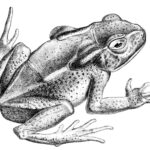
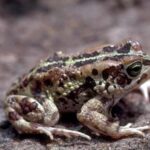
Rhinella icterica is unmistakably vibrant in appearance—its striking yellowish-orange coloration becoming more pronounced along the head and flanks. An adult Yellow Cururu Toad typically measures approximately 12 to 16 centimeters, with females generally larger than males. The robust, heavily built body provides strength and durability for terrestrial locomotion across rugged terrain.
Adaptive Features#
The skin is granular, dotted with numerous warts providing excellent camouflage amid leaf litter and ground debris. Paired large parotoid glands situated behind each eye secrete toxins, formidable weapons deterring predators—particularly birds, snakes, and small mammals. Interestingly, the bright coloration signals aposematic warning, indicating their toxicity and deterring potential predators from attacking.
Eyes are conspicuously large and golden-hued, set wide apart to maximize panoramic vision, essential for detecting imminent threats and prey items. Furthermore, powerful hind legs underpin their hopping locomotion, allowing swift escape when disturbed.
Behavior and Life Cycle#
As crepuscular creatures, Rhinella icterica becomes particularly active in dim evening hours, embarking upon nocturnal hunts among leaf litter and across forest floors. This behavior enables conservation of moisture and avoidance of daytime predators.
Diet and Feeding Habits#
With a diverse palate, Rhinella icterica feeds on a wide spectrum of invertebrates, notably insects, spiders, earthworms, and occasionally small mollusks. Hunting primarily relies on ambush strategies—remaining motionless and invisible, concealed expertly amidst leaf litter, only to leap forth swiftly with precision, visually guided by its sharp eyesight and rapid tongue projection. As opportunistic carnivores, these toads demonstrate remarkable adaptability, adjusting their diets according to prey abundance and seasonal changes in the ecosystem.
Reproductive Behavior#
With the onset of heavy seasonal rains marking the initiation of breeding season—typically from late spring through summer—males congregate around suitable aquatic environments, emitting resonant calls that echo melodically throughout their forested realm. These melodious choruses, characterized by low-pitched, resonating croaks, serve to attract females and establish territories among competing males.
Once attracted, the larger female toad selects mates exhibiting superior calling strength and endurance—traits indicative of good health and strong genetic potential. Upon successful mating, females lay long strings of gelatinous eggs entwined artfully through submerged aquatic vegetation. The suspended eggs incubate quickly, soon emerging as small, dark-colored tadpoles.
Development and Parental Care#
Unlike some amphibian species providing extended parental care, Rhinella icterica exhibits minimal parental involvement after egg deposition. Tadpoles—small, agile, and vulnerable—navigate aquatic challenges alone, relying solely on instinct to evade predators, forage algae, and metamorphose into terrestrial juveniles. Tadpole developmental periods typically extend 40–60 days, culminating in dramatic physiological transformations that gradually foster terrestrial independence and seed the next generation of Yellow Cururu Toads.
Ecological Role#
Occupying a robust position within the intricate tapestry of the Atlantic Forest ecosystem, Rhinella icterica fulfills crucial ecological roles. As predators, these toads moderate populations of numerous invertebrates, effectively controlling pest species that might disrupt ecological equilibriums. Moreover, by serving as important prey items for various snakes, birds of prey, and small mammals, they foster interconnectedness among diverse trophic levels. Their sensitivity to environmental health renders them effective bioindicators, their population fluctuations highlighting fundamental ecological imbalances prompting human intervention and timely conservation action.
Threats and Conservation Status#
Despite relative adaptability, Rhinella icterica’s populations are not immune from challenges. Among the principal threats facing this species is widespread deforestation owing to urbanization, agricultural expansion, and logging—all reducing viable habitats and fragmenting populations vulnerable to localized extinction events. Heavy use of agrochemicals—pesticides, fertilizers—further diminish water quality in essential breeding habitats, impairing reproductive success and larval survivability.
Climate change accelerates these pressures, altering rainfall patterns vital for successful breeding cycles, disrupting temperature-sensitive physiological processes fundamental for these ectothermic creatures.
Current Conservation Status#
Presently classified as Least Concern by the International Union for Conservation of Nature (IUCN), Rhinella icterica nonetheless requires vigilant monitoring due to continuous environmental threats afflicting its primary habitat. Efforts to preserve Brazilian Atlantic forests, emphasizing biodiversity-rich corridors and sustainable use practices through governmental policies and community education, directly benefit Rhinella icterica.
Cultural and Scientific Significance#
Integral within local folklore, Rhinella icterica symbolizes resilience and adaptability throughout many indigenous and rural communities. Some traditional cultures personify these amphibians as guardians of freshwater sources, their appearance signaling ecological integrity and stability. Scientifically, research examining Rhinella icterica contributes significantly towards understanding amphibian behavioral ecology, toxin chemistry, and broader implications concerning climate adaptations and habitat use.
Conclusion: Preserving the Jewel of the Forest#
Rhinella icterica—the charismatic Yellow Cururu Toad—represents a microcosm mirroring broader environmental challenges confronting the Atlantic Forest region. This enduring, adaptive creature reminds conservationists and nature enthusiasts alike of our responsibility to protect intricate habitats like the Brazilian Atlantic Forest. Increased awareness, habitat restoration efforts, and sustainable conservation policies ensure Rhinella icterica’s continued coexistence within South America’s biological tapestry.
We therefore implore readers and nature advocates alike to support initiatives safeguarding this spectacular and ecologically vital amphibian, highlighting the interconnectedness bridging wild and human worlds—one leap at a time.