- Exploring the Elusive Rhinella gallardoi: Patagonia's Hidden Jewel
- Taxonomy and Classification
- Natural Habitat: High-Altitude Secrets
- Physical Characteristics: A Master of Camouflage
- Behavior and Life Cycle: Quiet Elegance in Survival
- Ecological Role: Guardian of the High Valleys
- Conservation Status: Vulnerability in Seclusion
- Cultural and Scientific Significance
- Conclusion: Protecting Patagonia's Amphibian Treasure
Exploring the Elusive Rhinella gallardoi: Patagonia’s Hidden Jewel#
High among the remote and mist-shrouded mountains of Patagonia lives a true amphibian enigma—Rhinella gallardoi. A species seldom glimpsed by casual travelers, this elusive creature is cloaked in mystery, hidden among rocks and wet mossy valleys, thriving in conditions that would repel many other amphibians. While the world’s attention often gravitates toward charismatic large mammals or brilliantly colored birds, this beautifully adapted toad species merits a closer look, telling its own rich story of survival, adaptation, and delicate ecological balance.
Scientifically known as Rhinella gallardoi, this species has caught the eye of herpetologists for its exceptional ability to endure harsh climatic environments, and its presence serves as an insightful indicator of ecosystem health. Though rarely making headlines, it encapsulates the quiet yet important narratives within Patagonia’s vast natural tapestry.
Taxonomy and Classification#
Rhinella gallardoi belongs to the Bufonidae family, colloquially known as the true toads. It formerly belonged to the genus Bufo, a large group of robust terrestrial frogs, until taxonomic reevaluations led to a refined genus classification, placing it firmly within Rhinella. This diverse genus includes species that thrive across a variety of South American habitats, demonstrating a remarkable adaptability that has fascinated biologists for decades.
Closely related to other high-altitude toads within the same genus, such as Rhinella spinulosa, the evolutionary history of R. gallardoi reveals shared adaptations for life in harsh, mountainous landscapes characterized by cool climates, low oxygen levels, and periods of intense seasonal changes. Through genetic and morphological studies, scientists have pieced together a story of resilience and evolutionary dynamism unique to this hardy amphibian lineage.
Natural Habitat: High-Altitude Secrets#
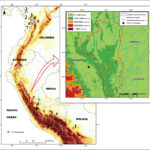
The story of Rhinella gallardoi cannot be told without invoking its remarkable Patagonian habitats. Restricted in geographical range, the species inhabits remote, high-altitude valleys and ravines in southern Argentina, specifically within Santa Cruz province’s mountainous areas. These secluded regions are fiercely rugged—characterized by jagged peaks shrouded in persistent fog, sunlit splashes of alpine meadows, cascades of glacial meltwater streams, and patches of dense vegetation composed predominantly of mosses, lichens, and hardy grasses.
Within these niche environments, Rhinella gallardoi has found a perfect ecological fit. It favors rocky areas near shallow slow-moving water, especially streams fed by glacier melts and natural springs. These habitats provide stable moisture necessary for amphibians, while the abundance of rocky crevices and moss mats offer ideal concealment. In such harsh altitudes, this toad relies extensively on microhabitats that maintain stable temperature and humidity, essential for its sensitive amphibian skin.
These seemingly inhospitable environments limit encounters between humans and this compelling amphibian, obscuring it from mainstream discovery yet simultaneously protecting its fragile populations from excessive disturbance.
Physical Characteristics: A Master of Camouflage#
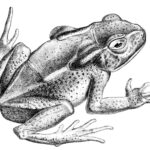
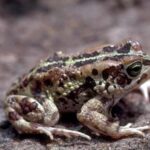
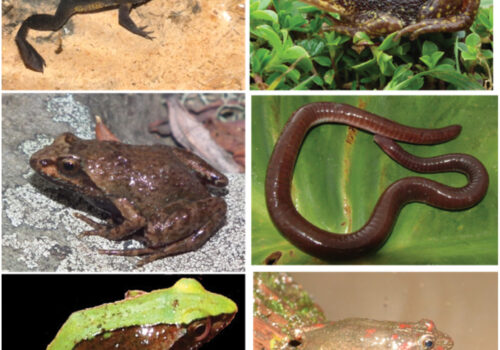
At first glance, Rhinella gallardoi might not draw immediate admiration with flamboyant colors or elaborate forms; rather, its beauty lies in its perfected subtlety, a creature crafted by millennia of adaptation. This medium-sized toad measures roughly 5–7 centimeters in length. Its physique is stout and robust, typical of many true toad species. Each specimen bears rugged, granulated skin, an evolutionary adaptation effective against moisture loss and offering protection against abrasive terrain.
Remarkably well-camouflaged in earthy shades ranging from various tones of brown, gray, olive, and ochre, Rhinella gallardoi blends almost seamlessly with moss-covered rocks and soil. Intricate markings, including speckles, rough patterns, and darker spots distributed irregularly against a neutral base color palette, add complexity to its camouflage abilities.
Unlike some amphibians that use bold coloration as a warning signal (aposematism), R. gallardoi’s palette is all about cryptic protection—careful concealment that guards against predators ranging from birds of prey to small mammals. Its coloration and texture make it difficult for predators and prey alike to distinguish toad from terrain, providing an essential survival advantage in its exposed high-altitude habitat.
Behavior and Life Cycle: Quiet Elegance in Survival#
Though subtle in appearance, Rhinella gallardoi is captivating in its quiet yet purposeful behaviors. Primarily nocturnal, this species spends the daylight hours tucked securely into rock fissures, concealed beneath mossy outgrowths, or partially submerged within cold streams and pools. Only under cover of darkness does it emerge to pursue its careful predation activities.
Feeding Habits#
As an insectivore, Rhinella gallardoi predominantly feasts on terrestrial and aquatic insects and small invertebrates, including beetles, ants, spiders, and occasionally aquatic larvae. It hunts primarily at night, relying on exceptional eyesight and its keen sense of terrestrial vibrations to detect movement from potential prey. Its sticky, projectile-like tongue is expertly deployed, snatching insects from plants and rock surfaces with remarkable precision and speed.
Mating and Reproduction#
The breath of spring heralds a marked change in the usually solitary lives of these toads. Males begin their melodic yet subtle croaking choruses from the edges of streams and shallow pools. These gentle mating calls, harmonizing in the twilight, guide receptive females to favored breeding sites.
Females deposit gelatinous egg strings in clear, slow-moving waters. Tadpoles subsequently emerge after several days, initiating their alert struggle for survival. These larval stages feed voraciously on algae and organic detritus, rapidly growing amidst aquatic vegetation, meticulously avoiding the ever-watchful eyes of predators like aquatic insects, fish, birds, and other amphibians. The development from tadpole to fully formed juvenile toad occurs over several months, marking a critical phase fraught with survival challenges.
Ecological Role: Guardian of the High Valleys#
Every organism in an ecosystem plays an influential role, and Rhinella gallardoi is no different. Beyond merely existing in its habitat, this amphibian acts as both predator and prey—a critical midpoint in the delicate food webs of Patagonia’s mountain ecosystems.
On a broader ecological scale, amphibians such as R. gallardoi are often considered bioindicators—sensitive signals of ecosystem health. Their permeable skin and complex life cycles mean they quickly respond to environmental changes and fluctuations, thus serving as early harbingers of ecological imbalance or pollution. As such, the health and presence of Rhinella gallardoi populations reflect broader environmental stability throughout Patagonia’s wild high-altitude zones.
Conservation Status: Vulnerability in Seclusion#
Despite its remote habitat, the future of Rhinella gallardoi remains delicate. Currently listed by the International Union for Conservation of Nature (IUCN) as “Endangered,” its populations are facing significant declines. Chief among pressing threats are habitat degradation and fragmentation emerging from climate change, with shifts in glacial meltwater cycles drastically affecting breeding and feeding opportunities.
Additionally, the potential threat of diseases such as chytridiomycosis—a fungal pathogen responsible for global amphibian decline—poses emerging concerns, particularly since these isolated mountaintop ecosystems harbor fewer refuges for amphibian diversity.
Various conservation organizations and researchers have prioritized study and protection measures for R. gallardoi, focusing efforts on habitat management and monitoring programs designed specifically to understand its survival thresholds.
Cultural and Scientific Significance#
For local indigenous cultures and Patagonian communities familiar with the region’s diverse ecosystems, Rhinella gallardoi symbolizes the region’s delicate environmental balance and reflects the tenacious spirit required to survive in such extreme habitats. Scientifically, its adaptation to harsh climates, including cold temperatures and low oxygen environments, have made it a target for climate resilience and physiological research. Understanding species like Rhinella gallardoi provides powerful insights into evolutionary biology, climate science, and even potential medical applications related to amphibian-derived compounds and toxins.
Conclusion: Protecting Patagonia’s Amphibian Treasure#
Rhinella gallardoi embodies the extraordinary adaptability and resilience of nature’s often-overlooked species. Its poignant story reminds us that every creature, no matter how elusive, quiet, or cryptic, contributes invaluable chapters to the larger ecological narrative. As we deepen our understanding of this remarkable toad, let it inspire greater efforts to conserve the fragile equilibrium of the ecosystems upon which it—and ultimately, we—depend.
Let Rhinella gallardoi’s tale serve as a call to action: to cherish, understand, and safeguard the wild beauty of Patagonia, a beauty embodied in the quiet yet profound existence of one exceptional amphibian.