- Exploring Rhinella arunco: The Remarkable Amphibian of Chile's Forests
Exploring Rhinella arunco: The Remarkable Amphibian of Chile’s Forests#
In the lush temperate forests and tranquil wetlands of Chile thrives a fascinating amphibian, quietly fulfilling its crucial ecological roles. Known scientifically as Rhinella arunco, the Chilean common toad isn’t merely “common,” but rather a key inhabitant intricately woven into the region’s delicate environmental tapestry. From its distinctive appearance, cryptically blending into leaf-littered floors, to its captivating behaviors, this species offers insights into the health and vibrancy of Chilean ecosystems.
An intriguing fact often overlooked by casual observers is that Rhinella arunco carries surprising resilience, capable of thriving in both pristine natural areas and relatively human-altered landscapes. It is this adaptability, alongside its subtle yet irreplaceable role in nutrient cycling and insect control, that makes this seemingly humble amphibian truly worthy of our attention and protection. Let us journey into the forests of Chile, guided by the rhythmic croak of the Rhinella arunco, and unravel the remarkable story of a species central to Chile’s biodiversity.
Taxonomy and Classification#
Rhinella arunco belongs to the Bufonidae family, a group commonly known as “true toads,” characterized by dry, warty skin and robust bodies adapted to terrestrial living. Within the genus Rhinella—which contains numerous species distributed mainly across Central and South America—Rhinella arunco stands out for its distinct regional habitat in central Chile.
The species was first described by Molina in 1782, and its classification has undergone various revisions over the years. Closely related to species such as Rhinella spinulosa, Rhinella arunco differs in its morphology, vocalizations, and behaviors, particularly adapted to its temperate Chilean environment. Accurate taxonomic classification remains crucial, aiding conservationists in crafting precise management strategies tailored to the unique ecology and genetic diversity of the species.
Natural Habitat and Distribution#
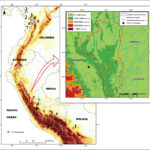
The Chilean common toad is endemic to Chile, predominantly inhabiting central regions ranging from Coquimbo to Bíobío. These areas encompass diverse habitats—from humid temperate forests near the Andes foothills to lower-elevation scrublands, wetlands, ponds, and even agricultural lands. Their remarkable ability to adapt has allowed them to survive in moderately altered habitats, including rural gardens, city parks, and small green spaces near human settlements.
A Home in Diverse Ecosystems#
Exploring the habitat of Rhinella arunco reveals a rich tapestry of biodiversity. These toads prefer environments with significant leaf litter, dense underbrush, and ready access to fresh water, ensuring moisture for their sensitive skin and offering numerous opportunities for finding prey and shelter.
Often camouflaged against damp earth and fallen foliage, their best refuge lies beneath logs, stones, and thick vegetation. Such microhabitats provide critical moisture conservation, protection from predators, and ample opportunities to catch passing insects. The rich tapestry of habitats also ensures a wide array and abundance of prey items, highlighting the toad’s essential role as insect regulators in these ecosystems.
Physical Characteristics and Adaptations#
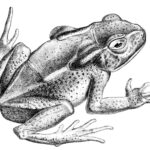
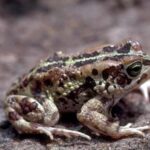
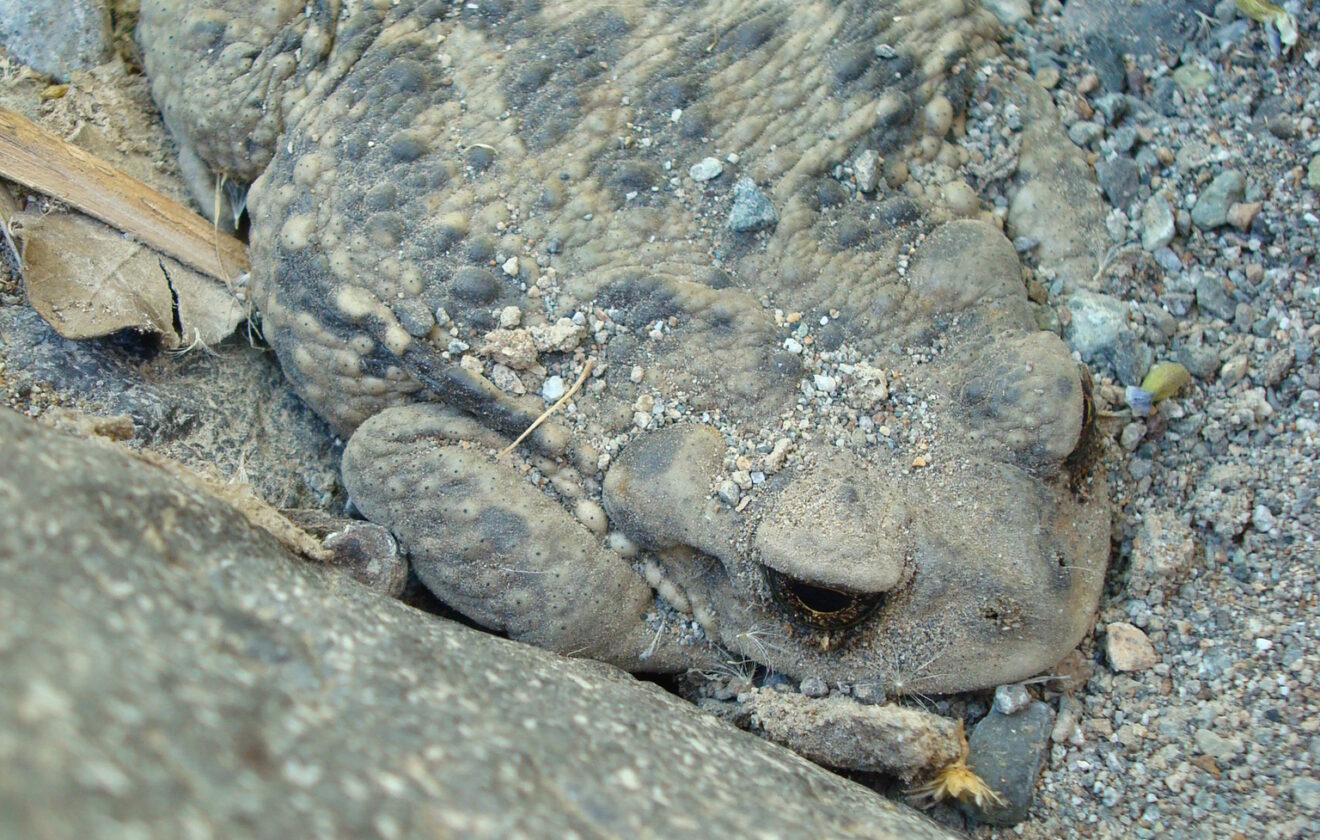
Rhinella arunco exhibits a robust and squat build typical of many true toads. Adult individuals typically measure between 6 to 12 centimeters, with females being notably larger than males. Their coloration varies from olive-brown to reddish-brown, interspersed with subtle darker markings, effectively disguising them amongst dead leaves and twigs on the forest floor.
Anatomy for Survival#
The most distinguishing feature of Rhinella arunco might be its skin, covered in granular glands and distinct, raised warts. Beyond resembling natural textures, these glands provide vital protection, secreting mildly toxic compounds that act as deterrents against potential predators. A pair of prominent parotoid glands positioned behind each eye aids in the secretion of these toxins, discouraging predators from repeated attacks and ensuring the frog’s survival.
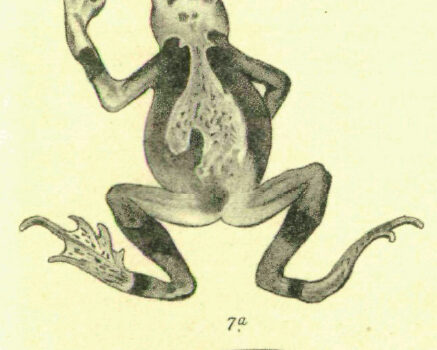
The toad’s limbs are well-adapted for terrestrial living, featuring strong hind legs for jumping and digging, and short yet powerful forearms designed for stability and balance. Eyes positioned atop their broad heads allow Rhinella arunco to observe their surroundings while remaining half-submerged buried within leaf litter or soil, optimizing their ability to remain alert to dangers or potential prey.
Behavior and Life Cycle#
The behavior of Rhinella arunco offers delightful insights for nature enthusiasts. Predominantly nocturnal, the common Chilean toad emerges at dusk, gradually navigating its territory with cautious hops or slow calculated crawling movements. Their feeding strategies rely heavily on patience and camouflage, waiting hidden beneath leaf litter for unsuspecting insects including beetles, ants, spiders, and other small invertebrates to pass within striking distance.
Mating and Reproduction#
Rain and warming temperatures spring Rhinella arunco into reproductive action. The unique call of males—a musical grunt often heard echoing softly through Chilean forests and wetlands—plays an essential part in courtship rituals. During breeding season, males congregate near slow-moving streams, ponds, or temporary pools, their calls resonating through the evening air, striving to attract receptive females.
Once a female arrives, mating ensues through a behavior called amplexus, in which the male grasps the female from behind, fertilizing the eggs as she lays them into water. Females produce long gelatinous strands containing hundreds to thousands of eggs, arrays gently draped along aquatic vegetation or submerged twigs.
Tadpoles hatch soon after, beginning life submerged, equipped with specialized mouthparts perfect for algae and organic debris. As metamorphosis approaches, these aquatic larvae gradually develop hind legs first, followed by forelimbs, lungs, and other terrestrial adaptations, finally emerging onto the land as miniature toads ready for terrestrial life.
Ecological Role: Guardians of the Forest Floor#
Rhinella arunco plays an indispensable role in maintaining balance within their ecosystem. As voracious insectivores, these toads control populations of numerous pest insects, benefiting both natural and anthropogenic habitats. By managing populations of insects like beetles, flies, and mosquitoes, they indirectly contribute to plant health and human comfort.
Conversely, they serve as integral prey for numerous predators, including birds of prey, snakes, and large mammals. This dual role both as predator and prey illustrates Rhinella arunco’s position in complex food webs and highlights the importance of its conservation in preserving the health and functionality of Chilean ecosystems.
Threats and Conservation Status#
While still relatively common across its native habitat range, Rhinella arunco faces increasing environmental pressures threatening long-term biodiversity. Deforestation, habitat fragmentation, wetland destruction, agriculture expansion, urbanization, and chemical contaminants from pesticides and fertilizers all jeopardize their populations and the health of associated ecosystems.
Conserving Rhinella arunco#
The International Union for Conservation of Nature (IUCN) currently classifies Rhinella arunco within their Least Concern (LC) category, reflecting its adaptability and widespread distribution. Still, conservationists remain vigilant, tirelessly advocating for effective habitat protection, improved agricultural practices, and integrated land management approaches across central Chile.
Community-based initiatives emphasizing education and awareness have gained momentum in recent years, promoting sustainable living and coexistence practices that reduce impacts on amphibian habitats. By empowering communities to appreciate and protect these creatures, conservationists hope to safeguard Rhinella arunco and myriad other interconnected species.
Cultural and Scientific Significance#
Frogs and toads hold symbolic meanings throughout human cultures globally, and Rhinella arunco is no exception. Within Chilean rural communities, these amphibians symbolize resilience, adaptability, and fertility—inspiring folklore and signaling seasonal transitions.
Furthermore, scientific studies highlighting Rhinella arunco often provide essential ecological insights. Research on this species continues to inform understanding in toxin production, adaptation mechanisms, and ecosystem health monitoring, demonstrating their scientific appeal beyond simple fascination.
Conclusion: Protecting Chile’s Remarkable Rhinella arunco#
The Chilean common toad, Rhinella arunco, encapsulates the enchantment and complexity inherent to biodiversity. Ensuring their continued presence challenges not only researchers and conservationists, but also individuals passionate about nature and sustainability. Every croak that echoes through the Chilean night represents a living testament to resilience and ecological harmony—a harmony we must strive continuously to protect and preserve. By championing the protection of Rhinella arunco, we take a meaningful step toward safeguarding Chile’s natural heritage and biodiversity for future generations.