- Rhinella arenarum: Secrets of the Argentine Common Toad
- Taxonomy and Classification
- Natural Habitat: Where the Toad Calls Home
- Physical Characteristics: A Portrait of Survival
- Behavior and Life Cycle: Journeys of Survival
- Ecological Role: Guardians of Biodiversity
- Threats and Conservation Status
- Cultural and Scientific Significance
- Conclusion: Celebrating a Resilient Amphibian
Rhinella arenarum: Secrets of the Argentine Common Toad#
In the tranquil evenings of Argentina’s temperate grasslands, after the heavy summer rains have soaked the fertile earth, a fascinating sound chorus emerges. It is a symphony unique to the natural world—a rhythmic croaking, punctuated by deep and resonant calls. At the heart of this twilight performance sits a rather humble yet intriguing protagonist: Rhinella arenarum, the Argentine common toad.
Despite its modest appearance and seemingly monotonous coloration, Rhinella arenarum is a critical species within the ecosystems of central and northern Argentina and neighboring regions of Uruguay, Bolivia, and southern Brazil. Often misunderstood, this toad has much more to offer beyond mere first impressions. From its resilient biology and adaptive behaviors to its critical role in ecological balance, it continues to captivate biologists, wildlife enthusiasts, and conservationists alike.
Taxonomy and Classification#
Scientifically known as Rhinella arenarum today, this species has undergone several taxonomic revisions since first being described in the early 19th century by the renowned naturalist J.B. Hensel. It belongs to the family Bufonidae, commonly referred to as true toads, a family known for their distinctive dry, warty skin and robust bodies. Within this family, the genus Rhinella comprises numerous species distributed across Central and South America, adapted to diverse habitats ranging from humid lowland jungles to high-altitude grasslands.
Interestingly, Rhinella arenarum shares its lineage with several closely related species such as Rhinella marina and Rhinella schneideri, yet it maintains distinct characteristics that allow it to thrive uniquely within its geographical range. Continuous research into its genetics and taxonomy not only enriches our understanding of the species but also uncovers broader insights into the evolutionary processes shaping South American amphibian biodiversity.
Natural Habitat: Where the Toad Calls Home#
The Argentine common toad is notably adaptable, inhabiting a wide array of ecosystems. Most commonly, it is found throughout temperate grasslands, open savannahs, agricultural landscapes, suburban gardens, and even urban parks. Its flexible habitat choices have earned it a reputation as one of the hardiest amphibians in the region.
Geographic Range#
Rhinella arenarum enjoys an expansive distribution across southeastern South America, including much of Argentina, Uruguay, southern Brazil, Paraguay, and portions of Bolivia. Within Argentina, they thrive from the subtropical wetlands of Entre Ríos and Corrientes to the rolling pampas and foothills of Córdoba and Buenos Aires provinces, adapting easily between both humid and semi-arid regions.
Habitat Preferences and Adaptability#
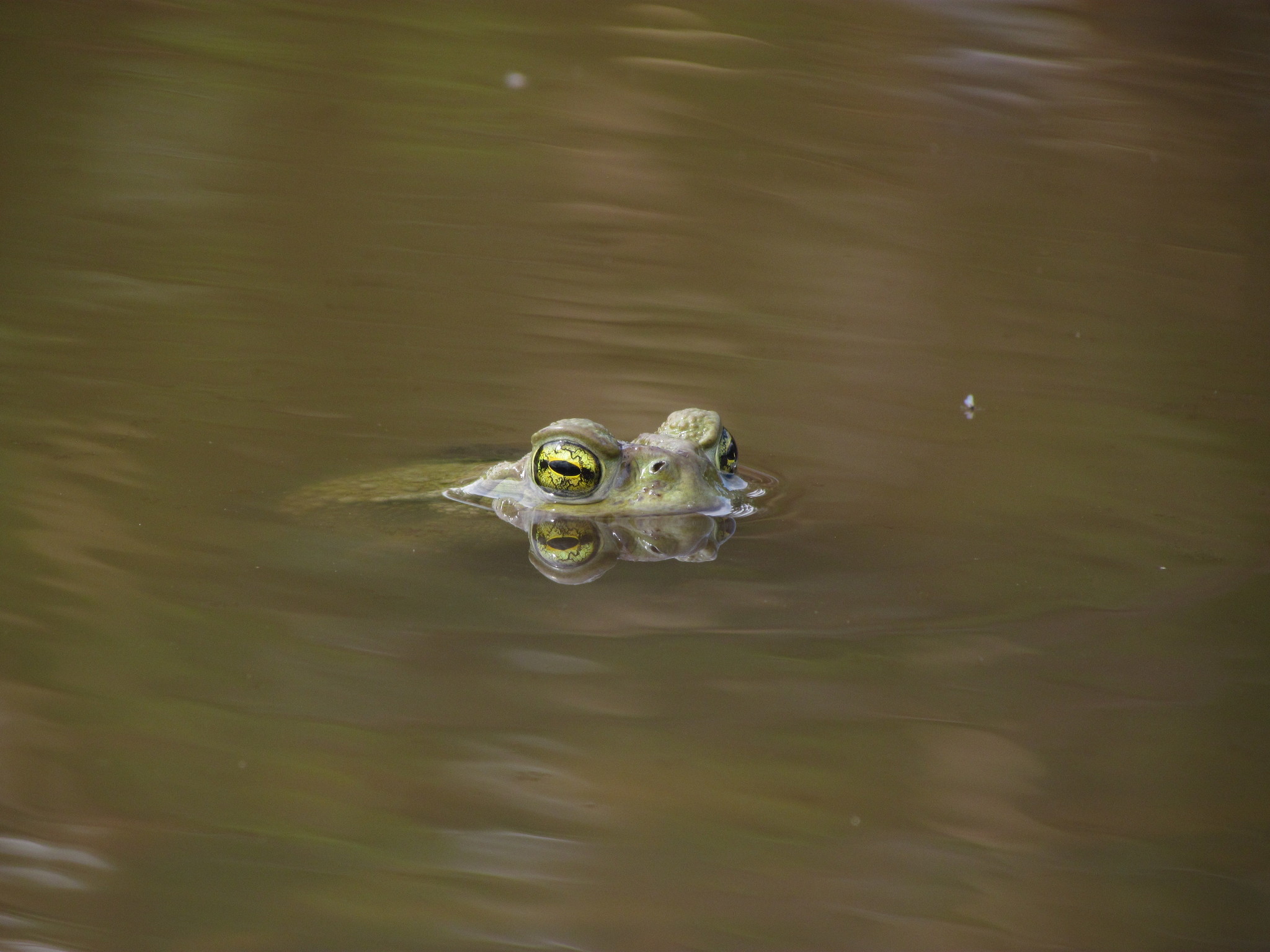
Commonly observed near permanent or temporary freshwater sources, Rhinella arenarum is drawn to shallow ponds, slow-moving streams, irrigation canals, and marshy areas. These water bodies serve as breeding sites during wet season. Outside their reproductive seasons, however, they wander considerable distances, often venturing into cultivated fields or suburban landscapes, taking refuge under rocks, logs, bushes, or even man-made structures that provide shelter, humidity, and protection from potential predators.
What makes Rhinella arenarum particularly fascinating is its notable resilience in disturbed habitats. It frequently occupies urban and suburban spaces, serving as a natural pest controller by preying on agricultural or garden pests. This adaptability not only underscores the species’ vital ecological service but also highlights its potential as an educational vehicle to reconnect urban dwellers with wildlife.
Physical Characteristics: A Portrait of Survival#
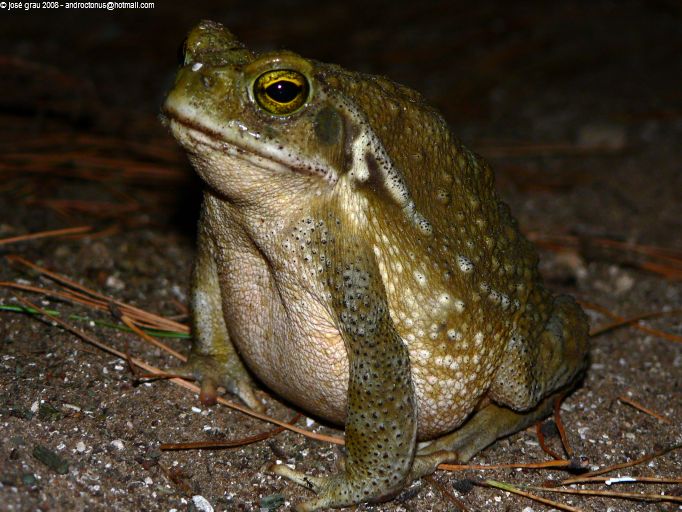
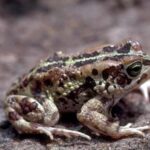
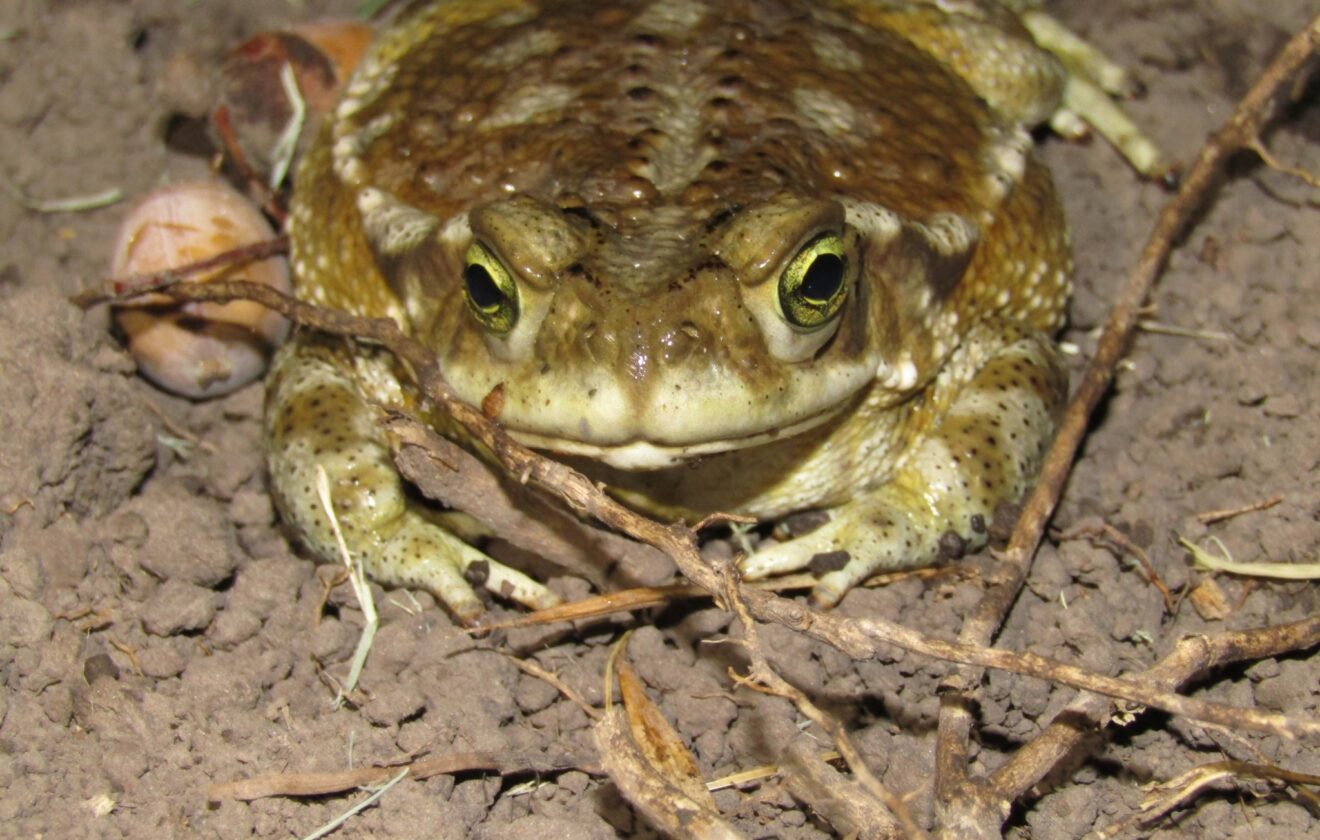
The Argentine common toad carries a distinctly robust and stocky form, typically measuring around 8-12 centimeters in body length, though females often achieve greater sizes than their male counterparts. Their bodies are sturdy, built low to the ground, and cloaked in rough, dry skin riddled with characteristic wart-like protrusions.
Their coloration varies notably among individuals, an effective adaptive strategy meant to camouflage them within their diverse habitats. Common shades range from sandy beige and greyish-olive to rich browns, detailed meticulously with dark mottling and irregular patterns along the back, offering a sophisticated form of visual concealment from predators.
One feature that defines Rhinella arenarum—and indeed true toads—is their prominent parotoid glands located just behind their eyes. These glands secrete a potent toxin known as bufotoxin, which serves as the amphibian’s principal defense mechanism against potential predators, deterring birds, mammals, and reptiles alike. Additionally, unlike many amphibians praised for their agile leaps, Rhinella arenarum relies more on strategic camouflage and defensive secretion than rapid escape, conserving energy appropriately for its survival in varied climates and environments.
Behavior and Life Cycle: Journeys of Survival#
The daily life and seasonal adaptations of Rhinella arenarum paint a vivid image of resilience. Generally nocturnal, they emerge from hiding places at sunset, utilizing humid and cooler nighttime temperatures to their advantage. Their diet primarily revolves around insects and invertebrates, including moths, beetles, ants, crickets, spiders, and occasionally small vertebrates. Opportunistic predators, these patient hunters rely on stealth, waiting motionless until unsuspecting prey ventures within striking distance before swiftly capturing it with a swift tongue maneuver.
Breeding: Songs and Survival Strategies#
Come the rainy seasons, typically spanning late spring through summer, males congregate in shallow waters, their distinct mating calls echoing prominently across the water’s surface. The resonating calls carry a soft, rhythmic croak often described as calming and somewhat melodic in contrast to harsher amphibian choruses.
The arrival of females prompts an intricate sequence of courtship behaviors, culminating in pairs entering amplexus—the position where the male tightly grasps the female from behind. Females deposit hundreds, sometimes thousands, of gelatinous eggs into the water, which are quickly fertilized externally by the male. These large egg masses cling to aquatic plants, rocks, or drift freely near water surfaces, generally hatching into tadpoles within a matter of days.
Tadpole Development and Metamorphosis#
Rhinella arenarum tadpoles are remarkably resilient, growing swiftly as they feed voraciously on microscopic algae and organic detritus, exercising ecological roles in aquatic nutrient cycling. Within approximately one to two months, these tadpoles undergo considerable morphological transformation, sprouting limbs, and restructuring their physiological functions to become air-breathing terrestrial juveniles. The survival of tadpoles and young toads is critical for maintaining healthy amphibian populations and, subsequently, the larger ecosystem balance.
Ecological Role: Guardians of Biodiversity#
Within their ecosystems, Rhinella arenarum serves several essential ecological roles. Primarily insectivorous, they regulate populations of pest insects, indirectly benefiting agricultural and urban communities. Simultaneously, by providing food sources for birds, snakes, and other larger predators, they form an essential link in the regional food web.
Equally significant is their function as bioindicators—organisms whose health reflects overall environmental conditions. As amphibians highly sensitive to water quality changes and habitat alterations, observing the health of Rhinella arenarum populations provides early warnings about ecological disturbances and shifts in environmental conditions.
Threats and Conservation Status#
Though currently not listed as a severely threatened species by the International Union for Conservation of Nature (IUCN), Rhinella arenarum nevertheless experiences several ecological challenges. Habitat destruction from intensive agriculture, urbanization, pesticide contamination, invasive species introductions, and climate change-induced habitat alterations all pose potential threats to their long-term survival.
Ongoing monitoring programs, ecological studies, and community-based conservation efforts aim to safeguard suitable habitats, regulate agricultural pesticide use, and bolster awareness and appreciation for this amphibian and its ecological contributions. Increasingly, citizen science projects involve local communities in monitoring Rhinella arenarum populations, transforming local perception of these unassuming toads into meaningful initiatives for conservation.
Cultural and Scientific Significance#
For centuries, indigenous cultures in South America have held amphibians, including Rhinella arenarum, in reverence, appreciating their integral role within ecosystems and the symbolism they embody regarding adaptation and renewal. Scientifically, Rhinella arenarum has proven invaluable in biomedical research, particularly studies centered around embryological development, environmental stress responses, and toxicology—providing crucial insights into amphibian biology and environmental health.
Conclusion: Celebrating a Resilient Amphibian#
Behind its modest appearance and subtle charm, Rhinella arenarum represents an inspiring narrative of adaptability, ecological importance, and cultural significance. As we continue to explore their lives and habitats, new appreciation emerges, transforming these once overlooked creatures into beloved symbols of conservation and ecological balance. Supporting environmental awareness efforts, habitat protection, and embracing local wildlife responsibility can ensure that Rhinella arenarum remains a thriving part of these South American landscapes for generations to come.