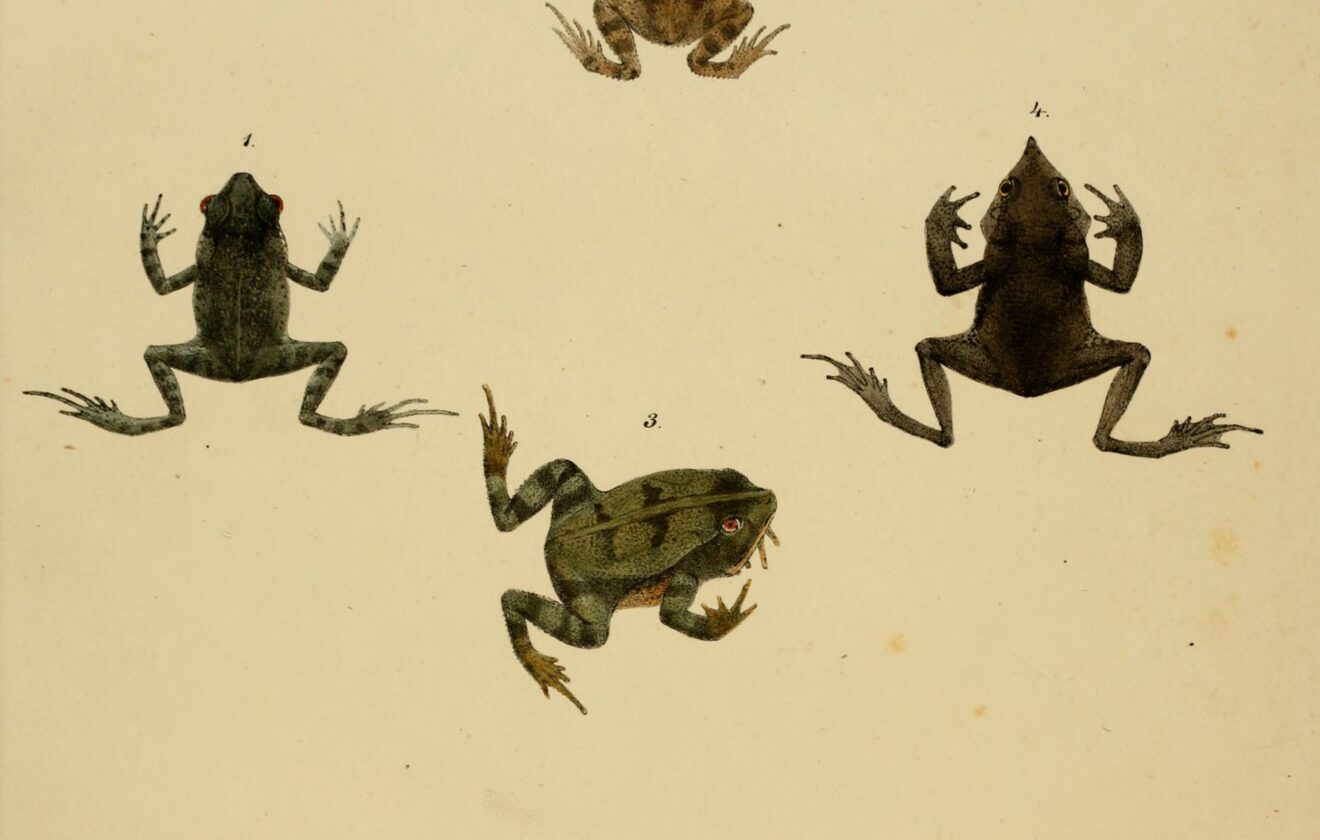
- Secrets of the Sharp-Snouted Toad: Exploring the Life of Rhinella acutirostris
Secrets of the Sharp-Snouted Toad: Exploring the Life of Rhinella acutirostris#
Amid the lush forests and thriving wetlands of southeastern South America exists a creature both elusive and fascinating, a silent inhabitant whose serenades punctuate the twilight. Rhinella acutirostris, commonly known as the Sharp-Snouted Toad, captivates naturalists, conservationists, and wildlife enthusiasts alike. With its distinctive appearance and intriguing behaviors, this species offers a captivating glimpse into the richness and fragility of our planet’s biodiversity.
While the southern continent is famed for its captivating megafauna such as jaguars, anacondas, and capybaras, smaller inhabitants like Rhinella acutirostris serve as silent indicators unveiling the health of ecosystems. Indeed, this amphibian is not just another marvel of evolutionary adaptation; it plays a crucial ecological role, acting as both predator and prey, shaping community structures and signaling environmental changes through its very presence or absence.
Join me now on a journey into the secretive world of Rhinella acutirostris—a species that quietly but powerfully showcases the intricate balance of life in some of South America’s most vital habitats.
Taxonomy and Classification#
Belonging to the expansive Bufonidae family, Rhinella acutirostris is situated within a genus renowned for its diversity and adaptability—Rhinella. Originally described scientifically by Spix in 1824, Rhinella acutirostris stands out as an exceptionally specialized member of this group due to its unique morphology and habitat preferences.
The Bufonidae family, known colloquially as “true toads,” encompasses an array of species famously adapted to diverse ecosystems across the globe. Within this family, the genus Rhinella includes numerous Neotropical species, emblematic of South and Central American biodiversity. Rhinella acutirostris shares genus lineage with other well-known toads such as Rhinella marina—the infamous Cane Toad—though our subject retains its uniqueness through specialized traits and behaviors distinctively adapted to its southern ecosystems.
Natural Habitat#
Nestled primarily in southern Brazil and parts of Paraguay, Rhinella acutirostris flourishes in regions characterized by subtropical climates, dense Atlantic forests, and subtropical grasslands. Amid habitats that oscillate from humid forest understories to marshy grasslands and freshwater wetlands, this species thrives within complex ecosystems essential for its survival and reproduction.
A Life Shaped by Water and Rainforest#
The life cycle of Rhinella acutirostris illustrates a delicate balance of dependency. This toad carefully selects shallow, still waters for breeding sites, laying gelatinous strands of eggs that undergo fascinating metamorphoses. Beyond the breeding season, adults frequently inhabit terrestrial refuges—burrowing under leaf litter, logs, and other forest debris, demonstrating remarkable adaptability to seasonal fluctuations and environmental stresses.
These humid, well-vegetated habitats offer abundant insect prey and concealment from predators, enabling robust populations. The biodiversity found in the Atlantic Forest and associated grasslands provides a nutritious bounty of insects, spiders, centipedes, and worms, further supporting the Sharp-Snouted Toad’s needs. Over millennia, this amphibian has precisely adapted its biology and behaviors to match the rhythms of its environment—an intricate choreography that unfolds in the heart of lush South American landscapes.
Physical Characteristics of Rhinella acutirostris#
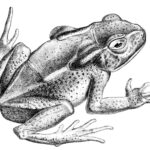
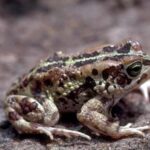
At first glance, what distinguishes Rhinella acutirostris from other Rhinella species is, as the name suggests, an unmistakably sharp, pointed snout. This defining morphological trait relates directly to its ecological niche. Measuring an average 6-8 centimeters, females are typically larger than males—a common feature among amphibians.
Colors Designed for Camouflage#
The Sharp-Snouted Toad displays a palette of earth-tones, often varying from olive green and grayish-brown to dark browns and occasional purplish shades. Intricate dark blotches and mottlings on their dorsal surfaces offer excellent camouflage against leaf litter, damp soil, or wetland mud. This cryptic coloration serves as effective protection, sheltering the toad during daytime hours and reducing risks from visually reliant predators.
The species’ skin texture, covered in small, rough wart-like glands, further enhances its cryptic appearance. Unlike many other amphibians that advertise toxic secretions with vibrant hues, Rhinella acutirostris relies on subtlety rather than flashy colors for defense.
Adaptations for Survival#
The snout sharpness itself is functionally significant. The pointed jawline assists this toad when burrowing into damp leaf litter, crevices, or moist substrates—necessary behavior that helps avoid predators, retain moisture, and maintain body temperature stability. It’s this remarkable adaptation that defines the survival edge of this unique species.
Behavior and Life Cycle#
Each evening, dusk triggers a chorus within Rhinella acutirostris habitats—a soundtrack composed of chirps, croaks, and unique metallic clicks. When seasonal rains drench the landscape, male Sharp-Snouted Toads emerge, congregating around temporary flooded pools and swampy depressions in pursuit of mates.
Mating Rituals and Metamorphosis#
Males produce distinct vocalizations, characterized by short, high-pitched calls that pierce through nocturnal sounds. These vocal contests serve as communication beacons, attracting receptive females ready to spawn. Upon pairing and successful amplexus—a partnering embrace typical of toads and frogs—the female lays strings of fertilized eggs in calm waters. Each female can deposit thousands of tiny eggs that hatch within days, giving rise to myriad tadpoles.
As tadpoles develop, omnivorous appetites aid in rapid growth, ultimately forming miniature replicas of the adults. The metamorphosis period ranges from two to three months, dependent upon water temperature, availability of food, and regional climate conditions. Newly metamorphosed juveniles quickly disperse, navigating threats and surviving elusive predators during a treacherous stage of life.
Adult toads pursue largely nocturnal, terrestrial lifestyles outside breeding seasons. Highly efficient ambush predators, these amphibians rely upon burst hunting tactics, snapping up passing insects and small arthropods at lightning speed.
Ecological Role of Rhinella acutirostris#
In natural ecosystems, every species fulfills specific ecological services, keeping habitats balanced and functional. Rhinella acutirostris contributes significantly to insect-distribution control—dining on potentially destructive insects including agricultural pests, mosquitoes capable of carrying diseases, and invasive arthropods.
In return, Sharp-Snouted Toads serve as a crucial protein source for diverse predators such as snakes, larger amphibians, mammals, and avian carnivores, including herons and other wading birds. By occupying intermediary trophic levels, they assist nutrient cycling and stability within their habitat.
Moreover, amphibians in general serve as sensitive bioindicators. The presence or absence of healthy Rhinella acutirostris populations signals ecological integrity, indicating balanced food webs, sufficient water quality, and minimal human-induced environmental degradation.
Threats and Conservation Status#
Currently, the International Union for Conservation of Nature (IUCN) assesses Rhinella acutirostris as Least Concern. However, vigilance remains essential. Human-induced threats loom on the horizon, including continued habitat destruction driven by logging, farming expansion, contamination of freshwater habitats, and climate change altering precipitation patterns crucial to breeding success.
Distinct populations residing in Brazil’s highly fragmented Atlantic Forest raise conservation concerns due to habitat isolation. Local populations may suffer genetic bottlenecks or loss of breeding grounds if careful monitoring and targeted conservation actions are neglected.
Cultural and Scientific Significance#
In the regions it inhabits, Rhinella acutirostris plays subtle yet profound cultural and ecological roles. Traditional myths among indigenous peoples occasionally feature toads as symbols of fertility, rain, and cyclic regeneration. Scientific researchers continue to explore amphibian skin toxins for medicinal purposes, unraveling potential pharmacological benefits to humans.
Conclusion: Protecting a Hidden Treasure#
Though perhaps understated amidst the grandeur of South American wildlife, Rhinella acutirostris quietly symbolizes the wondrous intricacy of natural ecosystems. This remarkable creature reminds us that biodiversity is invaluable and worthy of preservation, a hidden jewel whose conservation ensures continued vitality and resilience for future generations.
As stewards of our shared planet, let us commit to supporting conservation efforts, learning continuously about these often-overlooked species, and advocating passionately for the preservation of their fragile habitats. Only then can we truly appreciate and protect the remarkable secret lives unfolding within forests and wetlands—where Rhinella acutirostris continues its quiet but essential role, ensuring harmony within nature’s symphony.