Unveiling the Enigmatic Rentapia hosii: The Majestic Tree Toad of Southeast Asia#
In the lush emerald rainforests of Southeast Asia, where dawn breaks to echoes of birdcalls and the gentle murmur of dripping understory leaves, hides a curious amphibian—Rentapia hosii, the Hose’s tree toad. At first glance, the mysterious Rentapia hosii, also known to herpetologists as the esteemed “Pedostibes hosii,” may seem a humble forest dweller. Yet beneath this unassuming facade lies a unique story of ecological significance, fascinating behavior, and critical conservation value.
Named in honor of Charles Hose, the pioneering British ethnologist and zoologist whose discoveries in Borneo revealed much of its rich biodiversity, this charming amphibian symbolizes survival, adaptation, and the centrality of biodiversity conservation. The species adds an enchanting chorus to the intricate symphony of the rainforest, and in unraveling its narrative, we deepen our understanding of Southeast Asia’s precious wilderness.
Taxonomy and Classification#
Classified scientifically as Rentapia hosii, this intriguing creature belongs to the family Bufonidae—commonly known as the true toads. There was some confusion surrounding its classification historically, as researchers initially recognized it under the genus Pedostibes. However, recent genetic and morphological analyses have led taxonomists to restructure classifications, firmly placing it under the genus Rentapia. Closely related species within this genus include Rentapia everetti and Rentapia flavomaculata, illustrating a fascinating evolutionary relationship tightly linked to the unique flora and fauna endemic to Southeast Asia’s tropical rainforests.
Natural Habitat#
The wild landscapes of the Malay Peninsula and Borneo form the biological and geographical cradle of the Hose’s tree toad. From the perpetually mist-covered mountains of central Borneo to the dense lowland jungles of peninsular Malaysia, Rentapia hosii thrives in undisturbed tropical rainforest ecosystems.
Geographic Range and Distribution#
Rentapia hosii’s documented distribution includes regions such as Sarawak and Sabah in Borneo, parts of Brunei, and fragmented locales on the Malaysian mainland. Favoring pristine habitats with minimal human interference, these toads frequently inhabit elevations from sea level up to approximately 800 meters, typically preferring areas close to clear mountain streams, waterfalls, and slow-moving forest rivers shaded by thick canopy layers.
Habitat Preferences and Ecological Niches#
A closer look into this intriguing amphibian’s habitat reveals a specialization for arboreal living, rare among amphibians in the region. Hose’s tree toads are often found perching quietly, almost invisibly, on high branches, moss-covered rocks, broad leaves, and tree trunks near rivers and streams. Though adept climbers, they may descend to shaded stream banks for breeding purposes during the rainy season.
Humidity, canopy cover, and unpolluted water sources are critical habitat features. The pristine freshwater streams they frequent not only support their unique reproductive cycles but also signify broader ecological health. Their selective habitat preferences illuminate Rentapia hosii as an effective indicator species, providing vital clues about underlying environmental conditions and overall biodiversity.
Physical Characteristics#
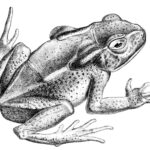
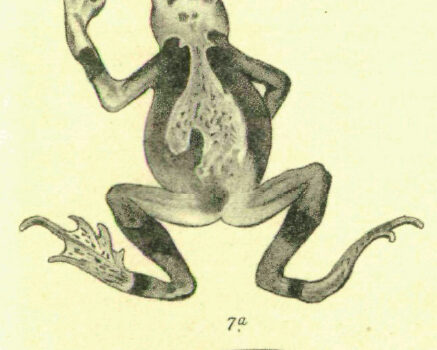
One encounters an immediate sense of quiet awe upon the first sighting of a Rentapia hosii, due largely to its peculiar beauty. Rather large for an arboreal toad, adults typically measure between 60 to 90 millimeters in length. The female generally surpasses the male significantly, illustrating remarkable sexual dimorphism.
Anatomy and Adaptation#
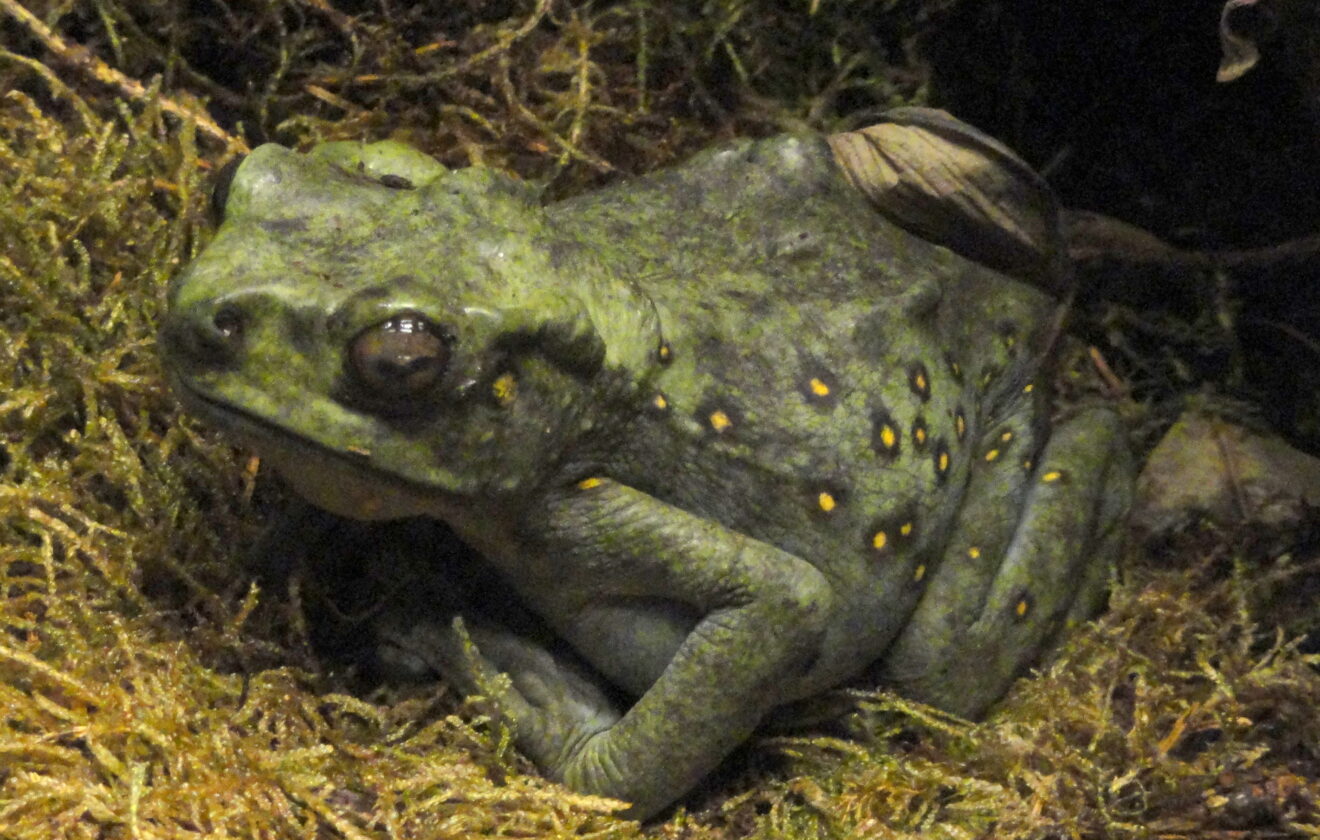
Its body profile combines stoutness with grace, designed ideally for arboreal life. Long, slender limbs, terminating in partially webbed toes with cushion-like digital pads, grant Rentapia hosii exceptional agility climbing vertical surfaces. Textured skin covered with subtle wart-like bumps provides effective camouflage among the rough, mossy textures of tree bark and leaf litter, shielding them from predators and unsuspecting prey alike.
Color and Camouflage#
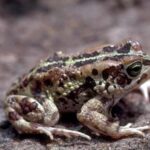
Perhaps Rentapia hosii’s most captivating characteristic is its striking coloration. Variance in color among individuals ranges from earthy, mottled brown and mustard-yellow to a delicate honey-golden tone, deftly hiding within the mottled shadows created by the dense canopy overhead. This remarkable natural camouflage allows these creatures to evade avian predators, snakes, and even nocturnal mammals lurking nearby.
Behavior and Life Cycle#
Delving into Rentapia hosii’s behavioral intricacies reveals adaptations shaped profoundly by a life spent aloft. Unlike many ground-dwelling relatives, the Hose’s tree toad is largely arboreal, descending only occasionally during the rainy season for reproduction.
Feeding Strategies and Diet#
A nocturnal ambush hunter, Rentapia hosii uses stealth and patience to seize prey. Their diet predominantly includes diverse insects, such as beetles, moths, and ants, opportunistically caught with precision strikes from hidden perches. Employing acute eyesight, they efficiently distinguish prey movements silhouetted against twilight skies or moonlit leaves.
Mating and Reproduction#
With the onset of monsoon rains and thunderstorms, male Rentapia hosii herald the breeding season using surprisingly melodious calls often described as soft, bird-like chirps echoing serenely through the darkness. Habitually, males congregate on leaves or low-hanging branches above gently flowing streams, calling females while remaining wary of precipitation levels that optimize environmental conditions for tadpole survival.
Female toads deposit gelatinous clusters of small, dark eggs in quiet, shallow pools formed along stream edges or within rock crevices. Tadpoles develop swiftly, capitalizing on abundant algae and detritus in these temporary bodies of water. A remarkable adaptation is their accelerated metamorphosis, allowing juveniles to quickly seek refuge in the forest canopy before drying pools vanish through evaporation or heavy rains flush them downstream.
Ecological Role#
Beyond simple survival, Rentapia hosii fulfills an intricate niche within its habitat—both predator and prey. Consuming primarily insects, this arboreal toad serves as an essential regulator of insect populations, indirectly contributing to the vegetation health and balance of forest ecosystems.
Moreover, Rentapia hosii occupies a vital trophic position as prey for larger forest animals, including snakes, monitor lizards, and owls. Their presence reflects healthy biodiversity levels, underscoring conservationists’ argument for preserving intact, interconnected forest ecosystems.
Threats and Conservation Status#
Despite its ecological importance, Rentapia hosii faces multiple threats rooted in habitat degradation, primarily due to deforestation, agricultural expansion (particularly palm oil plantations), and unplanned infrastructure projects. Pollution and climate change further exacerbate these pressures, altering rainfall patterns necessary for breeding and increasing waterway contamination risks dangerously impacting tadpole survival.
Rentapia hosii currently inhabits several officially protected areas, and international organizations, including the International Union for Conservation of Nature (IUCN), classify its conservation status as “Least Concern,” primarily due to its relatively wide range. Nevertheless, herpetologists and conservationists warn that local populations may be silently declining in areas not adequately surveyed or protected, highlighting an urgent call for heightened vigilance, research, and immediate action to sustainably manage ecosystems critical for their long-term survival.
Cultural and Scientific Significance#
Rentapia hosii embodies symbolic significance for indigenous communities living harmoniously within Borneo’s forests, often appearing within local folklore as subtle symbols of renewal, tranquility, or hidden wisdom. Scientifically, the species provides invaluable insights into the evolutionary pathways of arboreal amphibians, adaptations to canopy life, and potentially undiscovered biochemical compounds beneficial to human medicine. Indeed, many Southeast Asian amphibians are sources of pharmacologically promising substances, further underscoring the importance of their conservation.
Conclusion: Securing a Future for Rentapia hosii#
With every vibrant sunset stretching across Southeast Asia’s rainforests, the remarkable Rentapia hosii serenades the night with resonant calls, a harmonious testament to nature’s resilience, intricate beauty, and urgent need for preservation. To comprehend its ecological importance is to grasp a small yet poignant part of the intricate tapestry woven within these irreplaceable forests.
As stewards of our natural world, it is incumbent upon us—nature enthusiasts, conservation advocates, students, decision-makers—to ensure these unique amphibians remain abundant voices within healthy ecosystems. By supporting local and international conservation efforts, educating ourselves and our communities, and championing responsible environmental policies, we ensure Rentapia hosii, the majestic tree toad of Southeast Asia, continues to thrive, enchanting generations to come.