Poyntonophrynus pachnodes: Discovering the Unique Life of the Northern Red Sand Toad#
In the subtly shifting sands of southern Africa, amid delicate grasses, rugged thorn bushes, and resilient succulents, there lives an inconspicuous amphibian creature with a profound ecological story: Poyntonophrynus pachnodes, affectionately known as the Northern Red Sand Toad. While the intricate beauty of Africa’s larger fauna often overshadows the humble amphibian realm, this fascinating toad reveals worlds of evolutionary wonder, ecological interconnectedness, and quiet resilience worthy of exploration.
At first glance, this small, sandy-colored creature may seem unremarkable—a modest speck against the southern African landscape—but its adaptive strategies, enigmatic behaviors, and essential ecological contributions weave a captivating narrative. Let us embark on a journey into the fascinating world of Poyntonophrynus pachnodes, uncovering its natural history, life cycle, ecological significance, conservation status, and why its preservation matters not just for amphibian enthusiasts, but for anyone passionate about biodiversity and meticulous ecosystems.
Taxonomy and Classification#
To truly appreciate the Northern Red Sand Toad, we begin by understanding its taxonomic identity. Scientifically known as Poyntonophrynus pachnodes, this toad belongs within the vast and diverse amphibian order Anura—a group encompassing all frogs and toads, recognized for their tailless adult forms adapted to a hopping or leaping mode of locomotion.
More specifically, Poyntonophrynus pachnodes finds its place in the Bufonidae family—the group of true toads. These amphibians typically possess dry, warty skins, short sturdy legs designed for hopping rather than far-reaching leaps, and the characteristic paratoid glands behind their eyes, capable of secreting toxins to deter predators. Within the Bufonidae family, Poyntonophrynus pachnodes nestles into the small yet intriguing genus Poyntonophrynus, characterized by their sandy habitat preferences and specialized physiological adaptations for enduring extreme environmental conditions.
Natural Habitat#
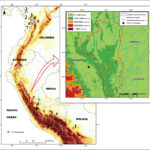
To encounter the Northern Red Sand Toad, one must journey to the sandy stretches, grasslands, and scrubland habitats of southern Angola and northwestern Namibia. These often arid, sparse landscapes are challenging ecosystems, defined by intermittent rainfall, harsh sunshine, and pronounced temperature fluctuations. Yet, contrary to what one might expect from an amphibian dependent on moisture, Poyntonophrynus pachnodes thrives here, demonstrating remarkable resilience and adaptation.
The Secrets Beneath Sands#
Adapted exquisitely to survive scarcity and desiccation, these enterprising amphibians have evolved behavioral and physiological strategies tailor-made for life amid shifting sands and sporadic water availability. Most notably, the Northern Red Sand Toad is a burrowing specialist—spending the hotter, drier times underground, nestled beneath the cool protection of sandy substrate. When rains finally arrive, often unpredictably and infrequently, these creatures swiftly emerge, capitalizing on the ephemeral relief of moisture to feed, breed, and complete their rapid life cycles.
The presence of these resilient amphibians underscores an important ecological truth. Life exists not only in lush rainforests and flowing rivers but also in fringes and transient pockets of water—revealing both the ingenuity and ecological importance of species capable of occupying such extreme niches.
Physical Characteristics#
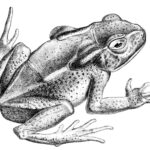
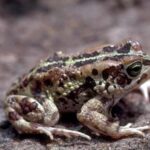
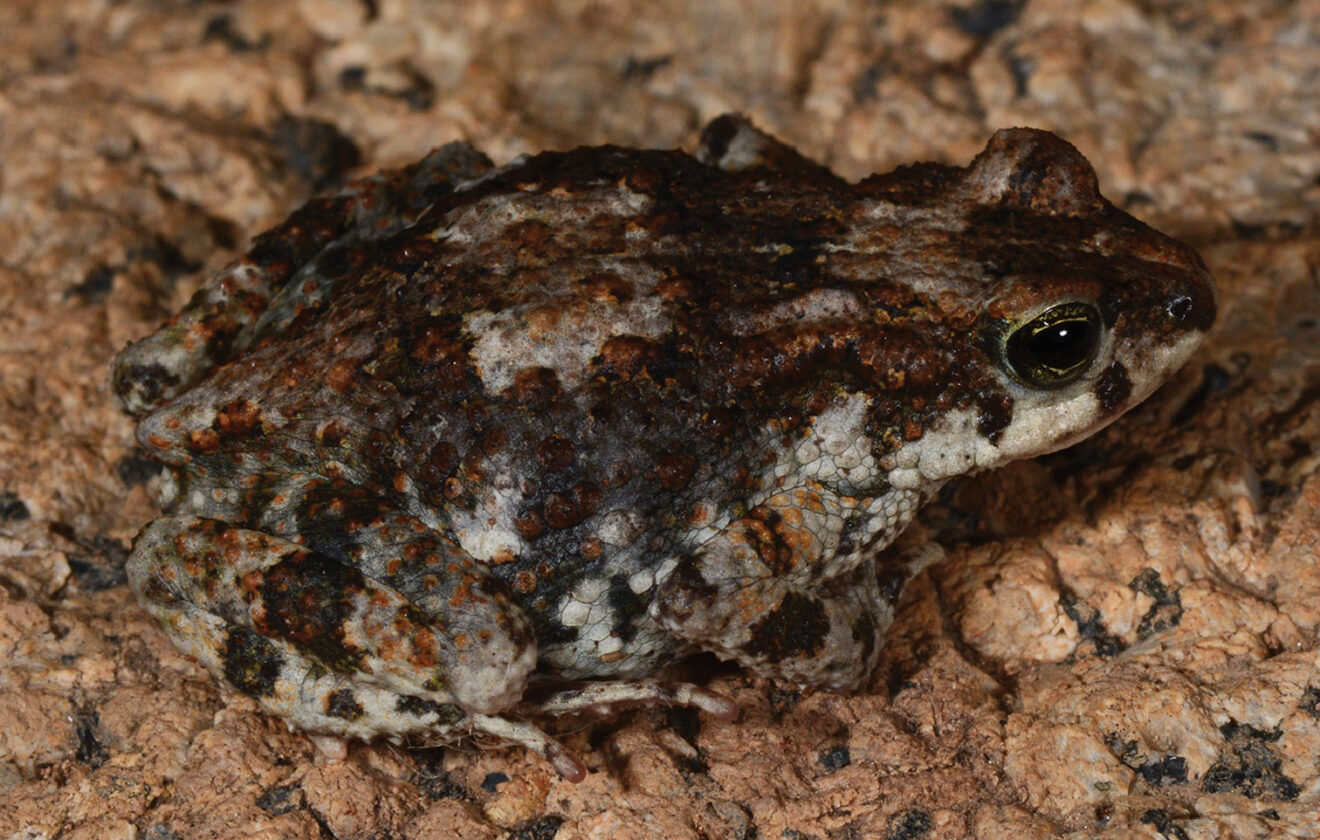
Upon close examination, the Northern Red Sand Toad is an elegant reflection of its environment. Adults typically measure between 25 to 40 millimeters in body length, making them petite but resilient survivors with impressively compact robustness. Their coloration—ranging from sandy yellows and warm, earthy browns to subtly reddish tones—perfectly matches their sandy, grassland habitats, providing essential camouflage against predators like birds, snakes, and small carnivores.
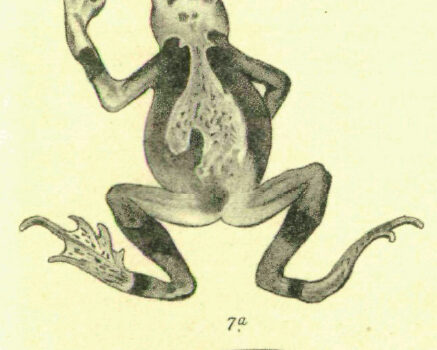
The toad’s warty skin, characteristic of the Bufonidae family, serves multiple roles. It aids water retention in arid conditions, offers camouflage amidst sand and soil, and carries embedded glands secreting mild toxins aimed at deterring would-be predators. Their compact body structure and thick limbs are masterfully adapted for burrowing and hopping swiftly across uneven sandy terrain, giving them efficiency and agility in both escaping threats and navigating their challenging environment.
Behavior and Life Cycle#
Like many desert-adapted amphibians, the Northern Red Sand Toad relies heavily upon fleeting rain events that break the oppressive dryness of its surroundings. When storms roll in—often sudden deluges after long dry spells—life bursts forth in abundance, awakening creatures that have waited patiently beneath baked soils.
Brief but Brilliant Breeding Events#
Breeding among these toads is synchronized meticulously with seasonal rainfall. Male Northern Red Sand Toads rapidly emerge at the sound and sensation of raindrops, congregating around temporary pools or depressions rapidly filling with rainwater. Here, males emit distinctive, melodic calls with a resonant trill, advertising territories and luring females from surrounding areas.
The females arrive soon after, depositing strings of jelly-encased eggs within ephemeral pools and puddles. Emergence and mating must be swift, as these temporary aquatic nurseries typically evaporate quickly under the relentless African sun. Tadpoles, adapted remarkably for accelerated growth, ingest algae and detritus, racing against imminent drought to metamorphose into tiny toadlets within mere weeks—an impressive feat that highlights the species’ incredible resilience and precise evolutionary timing.
Ecological Role#
Though small and easy to overlook, the Northern Red Sand Toad plays significant roles within its ecosystem. Functioning as predator and prey, each individual is integrally woven through the food web. Adult toads consume insects, spiders, and small arthropods, helping maintain a relatively balanced population of these species, and indirectly supporting plant communities by controlling potential herbivorous pests.
Conversely, the toads themselves are important prey items for many desert predators, extending from night-active owls and small snakes to mammals such as mongoose or fox—demonstrating the toads’ critical role in transferring energy through fragile, desert-adapted ecosystems.
Threats and Conservation Status#
Despite impressive survival adaptations, Poyntonophrynus pachnodes faces significant challenges tied largely to human intervention and global environmental shifts. Primary threats derived from habitat degradation—including agricultural expansion, overgrazing by livestock, and human-driven landscape changes—have already impacted wider biodiversity within their range. Furthermore, climate change hastens unpredictable rainfall patterns, potentially disrupting these toads’ crucial breeding cycles and challenging their finely-tuned evolutionary life story.
Currently, the Northern Red Sand Toad is classified by the International Union for Conservation of Nature (IUCN) as Data Deficient, denoting insufficient data regarding its comprehensive population status or trends. This classification emphasizes the need for concentrated ecological studies and argues persuasively for advocating stronger habitat protections and environmental awareness campaigns to conserve these unique creatures.
Cultural and Scientific Significance#
While not prominently featured symbolically in indigenous cultures, amphibians across Africa maintain considerable traditional value, often symbolizing fertility, renewal, and ecological health due to their reliance upon freshwater resources. Scientifically, desert-adapted amphibians like Poyntonophrynus pachnodes serve as essential indicators of ecosystem vitality, helping experts gauge environmental shifts, habitat health, and climate stressors effectively and accurately.
The evolutionary adaptations, including rapid reproduction, moisture retention strategies, and toxin secretion mechanisms, also attract vital scientific interest, deepening insights into biological resilience, evolutionary biology, and even potential medical uses derived from bioactive compounds within amphibian skin secretions.
Conclusion: Safeguarding a Sand-Dwelling Survivor#
The story of the Northern Red Sand Toad—Poyntonophrynus pachnodes—is an eloquent testament to nature’s astonishing adaptability, ecological subtlety, and fascinating evolutionary journey. Although modest in appearance, this amphibian symbolizes the triumph of resilience against adversity and reinforces our responsibility to protect even the smallest, most specialized creatures and ecosystems.
By learning about, advocating for, and engaging in conservation actions, we offer the Northern Red Sand Toad, and countless other unnoticed wildlife species, a fighting chance amidst environmental challenges. Let us celebrate this humble yet remarkable toad by extending our ecological consciousness, valuing habitats, demanding action against habitat degradation, and continually seeking deeper understanding of our splendidly diverse natural world.