Poyntonophrynus nambensis: Discovering Namibia’s Unique Desert Toad#
Beneath the stark, sun-baked soils of Namibia’s arid landscapes, Poyntonophrynus nambensis—more commonly known as the Nambian pygmy toad—waits patiently beneath cover of nightfall. Small but resilient, inconspicuous yet captivating, this remarkable amphibian has carved out an existence amid some of the harshest environmental conditions on Earth. While its diminutive size and secretive nature often keep it out of the spotlight, the story behind this elusive inhabitant of the Namibian deserts and savannas offers a treasure trove of fascinating natural history and vital conservation insights.
Named after its geographical locale—Namibia—this species hardly meets the expectations many hold of lush, forest-dwelling frogs. Instead, adapted superbly to their existence in semi-arid scrubland and deserts, the Nambian pygmy toad fascinates herpetologists and nature enthusiasts alike by defying the odds: thriving in an environment that would seem utterly inhospitable to an amphibian.
Taxonomy and Classification#
The scientific community officially recognizes the species as Poyntonophrynus nambensis, a classification placing it firmly within the Bufonidae family, often referred to simply as “true toads.” This family comprises an extensive group known not only for their warty skin, short legs, and stout bodies but also for unparalleled ecological adaptability. Within that broad family umbrella, Poyntonophrynus stands as a relatively small genus of toads, closely related to the genus Bufo. A defining characteristic of the genus includes certain behavioral and anatomical distinctions, such as specific features relating to breeding and larval development.
A true emblem of its landscape, Poyntonophrynus nambensis finds itself closely linked evolutionarily and ecologically to species living in similar arid environments in southern Africa. Its closest relatives share similar physiological adaptations, serving as evidence of the evolutionary forces that sculpt amphibians into specialized survivors in dry habitats.
Natural Habitat#
Geographic Range: Where the Desert Meets Life#
Poyntonophrynus nambensis exhibits a distinct preference for Namibia’s semi-desert and savanna regions, predominantly found within the dry forests, grasslands, and scrub habitats of northwestern Namibia. Sporadically appearing beyond Namibian borders into southwestern Angola, the species gravitates toward habitats such as sandy soils, sparse brush, and rocky outcrops characterized by ephemeral pools or seasonal rainfall patterns.
The Namib Desert and surrounding semi-arid landscapes, renowned for extreme temperature fluctuations and low annual precipitation, may be regarded as seemingly inhospitable for amphibians. Nevertheless, the Nambian pygmy toad has defied conventional assumptions about its class’s habitat requirements, thriving in a region marked by unpredictability and scarcity.
Adapted for Survival: Habitat Preference#
In the fleeting rainy season, these humble creatures congregate around shallow, temporary water sources—temporary pools, small ponds, and seasonal streams all etched into the landscape by rare downpours. However, they are not overly reliant upon prolonged wet spells; rather, they rely on remarkable behavioral and physiological adaptations to cope during extended dry periods. Sheltering themselves underground or nestled into crevices, these amphibians evade intense heat and aridity, emerging primarily as twilight falls, reducing moisture loss and predation risks.
The corridors of rocky hills and crevices near damp substrate provide perfect respite from dehydration, demonstrating these animals’ careful habitat selection. Indeed, the survival of Poyntonophrynus nambensis hinges on microclimates—subtly moist soil beneath rocks, shallow depressions that retain moisture longer than surrounding areas, and areas shielded from drying winds. These selective sites showcase the exquisite detail underpinning their life cycles and survival strategies.
Physical Characteristics#
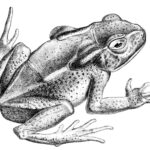
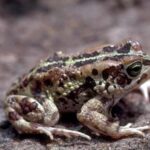
One might easily miss an encounter with the small, inconspicuous Nambian pygmy toad. Adult individuals usually measure merely between 20 and 30 millimeters in length, making it one of the smallest toad species inhabiting Namibia’s diverse landscape. Despite their modest stature, these toads embody impeccable adaptation within their environment; their stout, rounded bodies feature coloration ranging from earthy hue—browns, greys, and sandy colors—expertly mirroring the substrates upon which they dwell.
The dorsal skin exhibits rougher textures scattered with tiny warts, often adorned with dark mottling or faint stripes, enhancing camouflage significantly. This disguised pattern, although visually subtle, represents a critical survival adaptation, reducing predation from birds, rodents, snakes, and even predatory insects. Meanwhile, their shorter limbs hint toward their lifestyle of less active jumping and more careful crawling amid rocky shelters.
The eyes of Poyntonophrynus nambensis are particularly expressive, protruding to grant better peripheral vision during the nighttime forages and mating rituals. The horizontal pupils effectively enhance low-light vision, granting superior nocturnal acuity in their environment.
Behavior and Life Cycle#
Feeding Habits and Sustenance in Scarcity#
The Nambian pygmy toad, like its cousins, sustains itself as an insectivore, preying upon ants, termites, beetles, small spiders, and other invertebrates that venture out under the cover of darkness. Conserving moisture meticulously, the toads will not ordinarily venture long distances for food; they instead exploit local prey availability, minimizing water-loss risks. Equipped with a sticky tongue and swift accuracy, these miniature predators play a surprisingly adept role in insect population moderation within their ecosystems.
The Rhythm of Breeding: Awaiting the Rain#
Breeding behaviors revolve intimately around the ephemeral rains, a rare and eagerly anticipated phenomenon in their arid habitat. When showers finally grace the dry Nambian plains, these tiny amphibians emerge in astonishing numbers. Males congregate near freshly-formed water sources, calling loudly, their melodic but somewhat harsh trills filling the dimming twilight air, hoping to attract and compete for visiting females.
Females deposit strings or small clusters of eggs immersed in shallow temporary pools. The tadpoles’ life-cycle accelerates as they race to mature before the water dries out; hence, larvae development rates are incredibly rapid, with metamorphosis occurring within weeks or even days, depending on moisture availability.
This capacity for rapid development is crucial, with tadpoles exhibiting behavioral plasticity such as accelerated growth to escape desiccation. Once metamorphosed into miniature toadlets, the juveniles disperse promptly into surrounding terrain, seeking niches where moisture and protection are accessible until another rain cycle prevails.
Ecological Role#
Despite their diminutive size and inconspicuous presence, the ecological role of Poyntonophrynus nambensis in Namibia’s challenging landscapes is significant. As insectivores, these toads regulate insect populations, including pest species, thus acting as valuable natural pest controllers.
Conversely, they serve as important prey for a variety of predators, including snakes, birds, and small mammalian carnivores. The presence and healthy populations of these amphibians represent excellent bio-indicators of environmental integrity, directly reflecting ecosystem health, particularly water quality and soil moisture. Thus, conservationists increasingly recognize their importance, emphasizing the toad’s niche position within the fragile mosaic of desert and semi-desert ecosystems.
Threats and Conservation Status#
Currently, the International Union for Conservation of Nature (IUCN) classifies Poyntonophrynus nambensis as a species of “Least Concern,” owing largely to their widespread, though patchy, populations across Namibia’s arid zones and no immediate evidence of steep population declines. However, specialists in local biodiversity advise continued vigilance, as habitat alterations due to agriculture expansion, mining activities, and climate change have the potential to shift its populations toward a more concerning trajectory.
Cultural and Scientific Significance#
Although not well-known culturally compared to more conspicuous species, the Nambian pygmy toad represents a testament to life’s remarkable adaptability in extreme environments. Scientifically, this species fascinates researchers, yielding insights into evolutionary biology, adaptation mechanisms, amphibian conservation amidst climate change, and xerophilous life strategies—strategies that support life in conditions of extreme aridity.
Conclusion: Guardians of Namibia’s Arid Environment#
Poyntonophrynus nambensis embodies the beautiful intersection of delicate vulnerability and incredible resilience. By understanding and preserving these extraordinary creatures, we not only safeguard an essential piece in Namibia’s ecological puzzle but also gain further insight into amphibian adaptability amid our changing world. Embracing conservation efforts, detailed ecological study, and awareness campaigns as nature enthusiasts, scientists, and citizens stand united ensures future generations may likewise marvel at the quiet resilience of Namibia’s unique desert-dwelling toads.