- Introduction: Meet the Enigmatic Grandison’s Pygmy Toad
- Taxonomy and Classification
- Natural Habitat: An Amphibian at Home Amidst Subtle Landscapes
- Physical Characteristics: Mastering Camouflage and Survival
- Behavior and Life Cycle: Timeless Rituals and Adaptations
- Ecological Role: Small Amphibian, Big Impact
- Conservation Status: The Challenges of a Quiet Existence
- Cultural and Scientific Significance
- Conclusion: Celebrating the Understated Charms of Grandison's Pygmy Toad
Introduction: Meet the Enigmatic Grandison’s Pygmy Toad#
In the hidden realms beneath the shrubs and rocky outcrops of Sub-Saharan Africa thrives a small, elusive amphibian known as Grandison’s pygmy toad (Poyntonophrynus grandisonae). While frogs and toads frequently captivate imaginations with their vibrant colors and enchanting chorus calls, few creatures are as mysterious and understated as this diminutive amphibian. Named in honor of the esteemed herpetologist Alice Georgie Cruickshank Grandison, this secretive species often goes unnoticed by even the most vigilant naturalists.
Though seldom brought into the spotlight, the tale of P. grandisonae is remarkable in subtlety. Unassuming yet wonderfully adapted, it has carved its niche carefully into the tapestry of its habitat, providing a quiet indicator of ecosystem health. Often concealed within leaf litter, it is precisely this secretive lifestyle that has kept it safe—but also largely unnoticed. For those who discover this small, cryptically colored amphibian, fascination is inevitable.
Taxonomy and Classification#
At first glance, taxonomy may seem to lack the allure of more colorful wildlife stories, but understanding the lineage of Grandison’s pygmy toad is key to appreciating its uniqueness. Poyntonophrynus grandisonae belongs to the family Bufonidae, an expansive group widely recognized as “true toads.” Bufonids span many ecosystems and continents, known for their bumpy skin, short legs, and terrestrial lifestyle.
The genus Poyntonophrynus, in particular, represents small-sized toads adapted primarily to arid and semi-arid habitats across Sub-Saharan Africa. Named after the distinguished herpetologist John Poynton, these species are characteristically small—often nicknamed pygmy toads due to their compact stature and delicate frames.
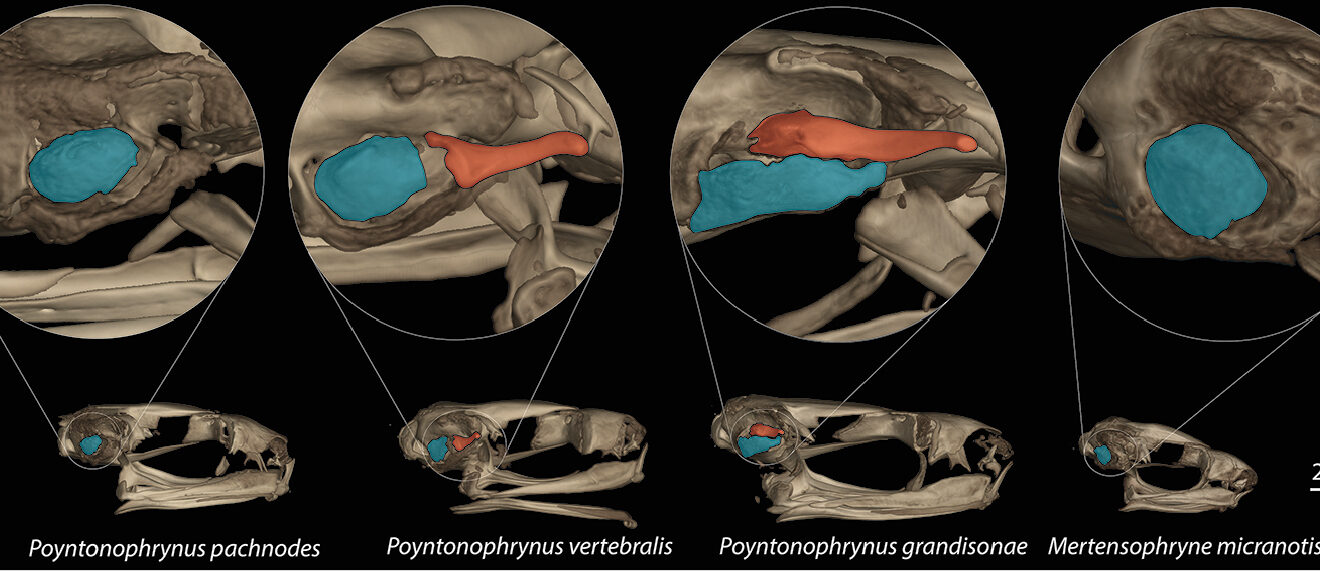
Among its closest relatives, such as Poyntonophrynus vertebralis or Poyntonophrynus fenoulheti, P. grandisonae continues to intrigue researchers due to subtle yet distinctive features that set it apart. Though inconspicuous, each tiny detail helps biologists piece together evolutionary stories, connecting these amphibians to the broader ecological fabric.
Natural Habitat: An Amphibian at Home Amidst Subtle Landscapes#
Geographic Range and Distribution#
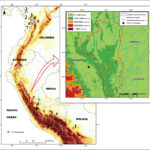
Native primarily to parts of southern Africa, Grandison’s pygmy toad inhabits territories across varied countries, including Namibia and Angola, extending down into northern regions of South Africa. The distribution of this cryptic creature is patchy yet fascinatingly adapted. Scientists have documented isolated populations thriving in pockets of semi-desert shrubland, dry savannas, rocky terrains, and even amidst thornveld landscapes.
A World Beneath Our Feet#
Unlike the flashy tropical frogs inhabiting lush rainforests, P. grandisonae leads a much more understated existence. Here, in these semi-arid regions, life unfolds with remarkable subtlety and resilience. The sandy, gritty soils and sparse vegetation provide the perfect camouflage. Complex networks of tiny cracks beneath rocks and dense shrubbery become miniature worlds unto themselves—zones of safety, moisture retention, and protection from harsh sunlight and predation.
Observing this habitat closely reveals how finely tuned Grandison’s pygmy toads are to their environment. By spending daylight hours sheltered beneath leaf litter or firmly wedged under stones, this species avoids desiccation and survives the formidable heat of its home. Its habitat may appear barren initially, yet this little toad represents nature’s masterclass in adaptation and survival.
Physical Characteristics: Mastering Camouflage and Survival#
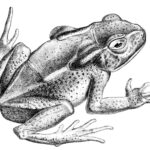
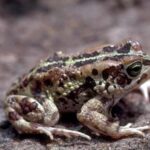
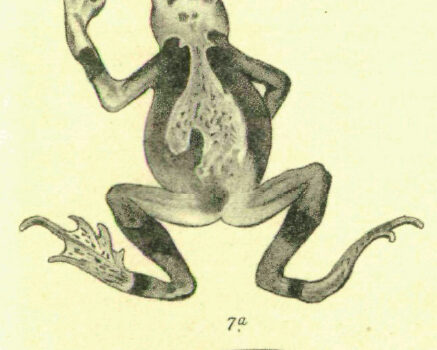
At first glance, Grandison’s pygmy toad may appear simplistic: small, earth-hued, and hardly eye-catching. However, closer observation reveals an exceptional level of biological craftsmanship. Adults typically measure no more than 25 to 35 millimeters, making them truly deserving of the “pygmy” moniker. Their compact build, short limbs, and rounded snouts not only contribute to a charming appearance but also serve as functional tools shaped by evolution.
The color palette of these toads is nature’s artistry at its finest; textures and coloration patterns mirror soil, pebbles, and decomposing vegetation perfectly. Shades range from taupe and grayish-browns to ochre and even faint green hues, a sophisticated ensemble suited to their environment’s palette.
Skin texture may appear rough, granular, or subtly bumpy, providing not only efficient camouflage but also an important physiological function. Minute glands dispersed across their skin help manage moisture and protect their tiny frames against harmful microbes and environmental stressors. Indeed, every aspect of their physical design speaks to a meticulous balance of environmental demands and natural selection.
Behavior and Life Cycle: Timeless Rituals and Adaptations#
Masters of Ambush: Foraging Behavior#
Grandison’s pygmy toads exhibit a lifestyle deeply intertwined with their terrestrial habits. They are predominantly nocturnal hunters, cautiously emerging under cover of darkness to prey upon a variety of small invertebrates. Ants, termites, spiders, and small beetles constitute their favored meals. Armed with excellent dexterity, modest leaping prowess, and keen nocturnal vision, these toads methodically ambush prey, swiftly snatching their targets with an agile flick of the tongue.
Mating and Breeding Rituals#
When seasonal rains gently pour life into their semi-arid world, a captivating spectacle unfolds—the synchronized emergence for mating. Male toads announce themselves through a chorus of soft, melodic calls designed to entice females from nearby hiding places. For all their cryptic lifestyles, this singular moment reveals their hidden vibrancy and social complexity. Remarkably resilient, these small amphibians seize brief windows of optimal conditions to mate, ensuring their offspring flourish when water is abundant.
Females deposit strings of tiny eggs in ephemeral pools and puddles formed by rain. Larvae hatch into miniature tadpoles, quickly racing against drying habitats. Within just a few weeks, metamorphosis transforms them fully, pushing them to become terrestrial before moisture disappears. Survival demands speed and efficiency, traits which these diminutive toads have refined to near-perfection through countless generations.
Ecological Role: Small Amphibian, Big Impact#
While small and often overlooked, Grandison’s pygmy toads fulfill indispensable ecological roles. By controlling populations of ants, termites, and other small insects, they effectively moderate the terrestrial invertebrate community dynamics. They are also prey to numerous larger predators, such as snakes, birds, and mammals—part of the finely balanced food web sustaining biodiversity in their habitats.
Furthermore, being exceptionally sensitive to environmental shifts, these toads serve as valuable ecological indicators. The health, presence, or absence of populations like P. grandisonae provides conservationists with early warnings about habitat degradation, climatic changes, or pollution impacts.
Conservation Status: The Challenges of a Quiet Existence#
Currently evaluated by the International Union for Conservation of Nature (IUCN) as of Least Concern, Grandison’s pygmy toads nonetheless face significant threats. Ongoing habitat loss due to agriculture, livestock grazing, and infrastructure expansion continues to erode essential breeding and foraging grounds. Additionally, climate fluctuations threaten the delicate timing of their life cycle, especially their dependence on seasonal rainfall.
While apparently stable for now, vigilance remains crucial. Effective, proactive conservation—especially habitat protection and ongoing research—will continue to safeguard their subtle existence. Encouraging public awareness among local communities about appreciating and protecting these hidden gems also constitutes an indispensable part of conservation strategy.
Cultural and Scientific Significance#
Although rarely in the forefront culturally, amphibians like Grandison’s pygmy toad exemplify remarkable scientific discoveries. Their adaptations to arid conditions captivate researchers studying biological resilience and climate adaptations. Secrets unraveled from their biology help scientists worldwide better understand how animals cope with extreme environments.
Conclusion: Celebrating the Understated Charms of Grandison’s Pygmy Toad#
Poyntonophrynus grandisonae may dwell hidden from view, yet offers a captivating testament to ecological subtlety, evolutionary ingenuity, and quiet resilience. By appreciating this tiny toad, we rediscover the importance of looking more closely at nature’s quieter species, creatures whose very presence enriches biodiversity profoundly.
Let us protect and cherish these modest amphibian wonders. To learn more or support amphibian conservation, explore further resources here.