- Poyntonophrynus fenoulheti: Unveiling the Secret Lives of Southern Africa's Savanna Toad
- Taxonomy and Classification: Understanding Its Place in Nature
- The Arid Eden: Natural Habitat and Distribution
- A Closer Look: Physical Characteristics and Adaptations
- Behavior and Life Cycle: Harmonizing with the African Seasons
- The Quiet Guardian: Ecological Role and Contributions
- Challenges Ahead: Threats and Conservation Status
- From Quiet Observer to Scientific Muse: Cultural and Scientific Contributions
- Celebrating the Understated Charm of Fenoulhet's Toad
Poyntonophrynus fenoulheti: Unveiling the Secret Lives of Southern Africa’s Savanna Toad#
In the hushed elegance of an African twilight, amid the golden grasses and rugged termite mounds of southern savanna landscapes, emerges an understated yet fascinating amphibian. Meet Poyntonophrynus fenoulheti, a small but charismatic toad species whose echoing calls punctuate the evenings across vast stretches of southern Africa. Known commonly as Fenoulhet’s toad or Northern Pygmy Toad, this diminutive creature often slips unnoticed beneath our feet, yet its presence is indispensable. Quietly thriving in its niche, this unpretentious amphibian plays a crucial, if subtle, role in the health of the ecosystems it inhabits.
While not as flashy or colorful as some of its amphibious counterparts, P. fenoulheti possesses a unique charm and resilience, offering intriguing insights into ecological adaptations, survival strategies, and the delicate balance that sustains savanna habitats. Join us as we unveil the mysteries surrounding this fascinating amphibian—from its secretive life underground to the intricate courtship rituals played out beneath moonlit skies.
Taxonomy and Classification: Understanding Its Place in Nature#
Poyntonophrynus fenoulheti belongs to the family Bufonidae, commonly known as the true toads. Within this diverse family, the genus Poyntonophrynus comprises several small-bodied, often inconspicuous species adapted to arid and savanna ecosystems. Formerly classified within the expansive genus Bufo, these African dwarf toads were reassigned to Poyntonophrynus in recognition of subtle yet distinct morphological and genetic traits that warranted their own taxonomic space.
The Fenoulhet’s toad shares lineage with related species such as Poyntonophrynus vertebralis and Poyntonophrynus dombensis, yet exhibits sufficiently distinct vocalizations, behaviors, and physical traits to earn its unique identity. Understanding its taxonomic placement not only enriches our scientific appreciation but also underscores the remarkable biodiversity harbored within Africa’s beguiling landscapes.
The Arid Eden: Natural Habitat and Distribution#
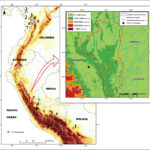
Stretching across northern regions of South Africa, Botswana, Namibia, Zimbabwe, Mozambique, Eswatini, and southern Zambia, P. fenoulheti occupies a landscape shaped by whimsical rains, scorching sun, and resourceful life forms capable of adapting to these challenging environments. Its preferred habitats include dry savannas, shrublands, woodlands, and grasslands, often associated with sandy soils or distinctive rocky outcrops.
Here, amid sparse vegetation and termite mounds, this tenacious little toad finds both shelter and sustenance. The ability of Fenoulhet’s toad to survive in such varied habitats is owed largely to its adaptability. Utilizing temporary pools formed by seasonal rains, the species demonstrates resilience by rapidly breeding and developing in ephemeral water sources that vanish as quickly as they appear.
Beneath the protective blanket of loose soil or tucked into depleted termite burrows, P. fenoulheti seeks refuge from daytime heat, emerging at dusk to forage and interact socially. The choice of habitat underlines their extraordinary evolutionary adaptations, which allow them to conserve water, tolerate temperature fluctuations, and thrive in habitats often inhospitable to other amphibian species.
A Closer Look: Physical Characteristics and Adaptations#
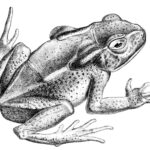
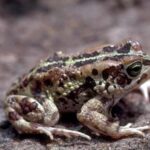
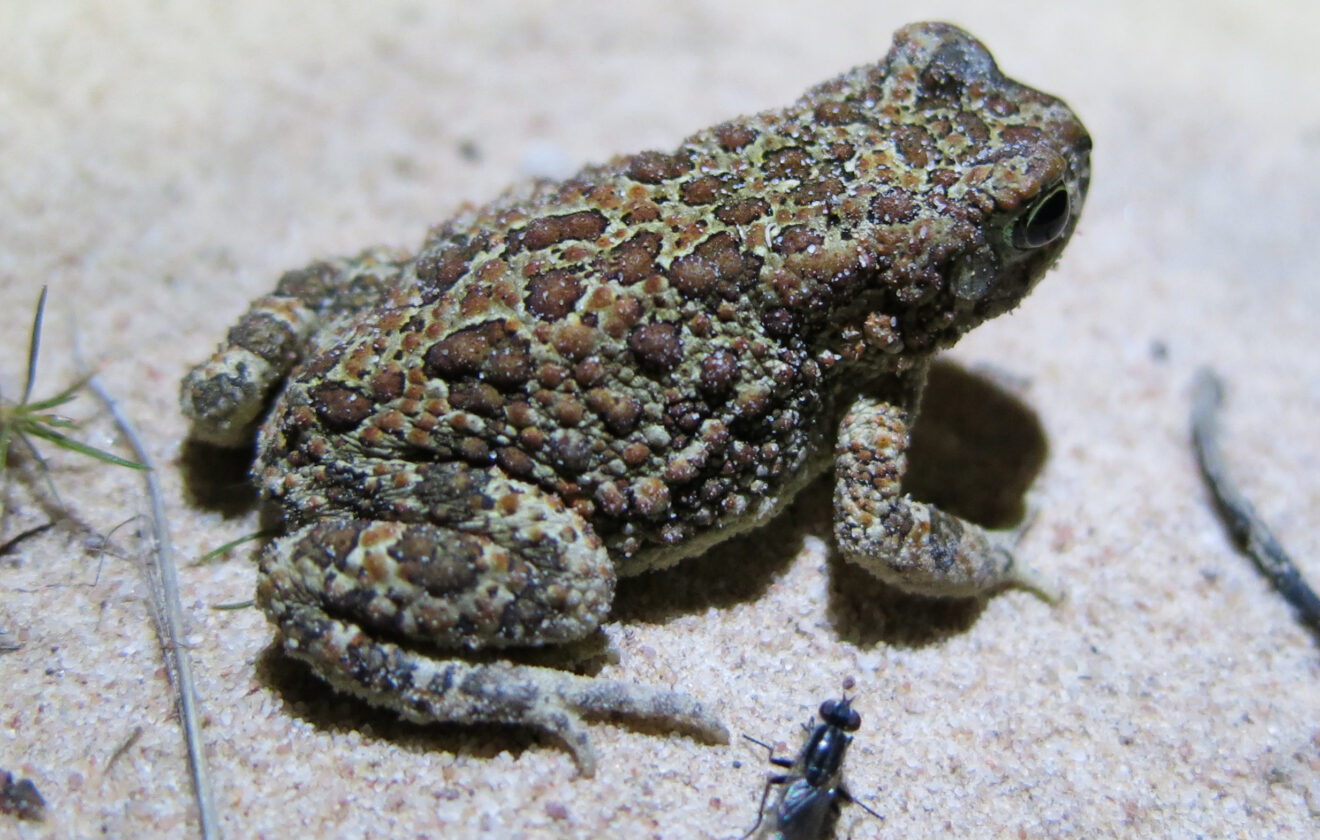
At first glance, Fenoulhet’s toad might not captivate with bold hues or intricate patterns typically associated with tropical frogs. Yet, closer examination reveals subtle elegance perfectly attuned for camouflage. Adults usually measure only 25 to 35 millimeters in length, an ideal size for seamlessly integrating among small stones, leaf litter, and blades of dry grass.
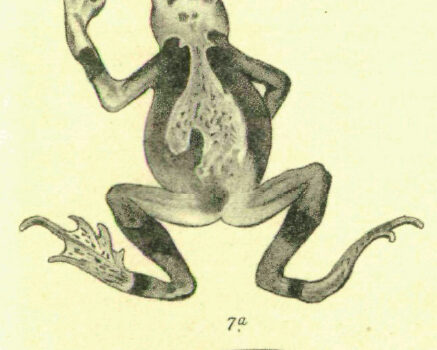
Their color palette, dictated by evolutionary necessity, ranges from greyish-brown and tan to sandy-beige, adorned with small warts and bumps across the dorsal surface. This rugged texture not only blends effortlessly into their surroundings but also aids in minimizing water loss. Their ventral side is pale, often cream-colored, offering minimal contrast when observed from below by potential predators.
Adaptations for life in arid regions extend beyond external appearance. Like many savanna-adapted amphibians, Fenoulhet’s toad exhibits behaviors and physical capacities—such as highly permeable skin for rapid moisture uptake, moisture conservation during drought, and specialized burrowing behaviors allowing them to retreat below the soil to avoid desiccation.
Behavior and Life Cycle: Harmonizing with the African Seasons#
Diet and Feeding Habits#
Fenoulhet’s toads are opportunistic generalists, feeding predominantly on small terrestrial invertebrates that abound during humid nights. Ants, termites, beetles, spiders, and springtails constitute the majority of their diet. Equipped with a sticky, projectile tongue and keen eyesight attuned to nighttime predation, they swiftly immobilize their quarry, maintaining a healthy population balance among insects and pests.
Mating Rituals Under Moonlit Skies#
The rainy season triggers an enchanting display of amphibian activity. When rains fill temporary ponds and depressions, Fenoulhet’s toads emerge en masse to congregate for breeding. Males gather near these small water bodies, punctuating the night air with high-pitched, melodic calls designed to advertise their readiness and entice potential mates.
Once courted, females lay strings or small clusters of eggs submerged in shallow, muddy pools. The ephemeral nature of these ponds demands rapid development; accordingly, the tadpole stage is adapted for accelerated growth, metamorphosing quickly to juvenile toads before the breeding puddles disappear completely.
Tadpoles of P. fenoulheti navigate impending drought by accelerating their development, a remarkable evolutionary trait that enables survival in environments of intermittent and unpredictable rainfall. Upon metamorphosis, juveniles disperse widely into available microhabitats, where they shelter and slowly mature until the next rains arrive.
The Quiet Guardian: Ecological Role and Contributions#
Though often overlooked due to its diminutive size and secretive behavior, Fenoulhet’s toad provides essential services to savanna ecosystems. Predominantly insectivorous habits position this toad as an invaluable controller of insect populations, thus mitigating potential pest outbreaks. Furthermore, they themselves constitute a vital food source for small mammals, snakes, birds, and larger amphibians, completing essential ecosystem food webs.
Moreover, amphibians like P. fenoulheti serve as powerful bio-indicators, their permeable skins sensitively reflecting changes in environmental quality and the presence of pollutants or habitat degradation. Monitoring populations offers meaningful insights into ecosystem health, allowing scientists and conservationists to detect subtle changes threatening the biodiversity of their habitats.
Challenges Ahead: Threats and Conservation Status#
Currently listed as Least Concern by the International Union for Conservation of Nature (IUCN), Fenoulhet’s toad benefits from expansive distribution patterns and adaptability to varied habitat types. Nevertheless, rapidly changing environmental pressures such as habitat destruction, pollution from agriculture, urbanization, and climate change pose increasing risks.
Habitat loss due to agricultural expansion, urban development, and mining reduces viable breeding and shelter areas. Additionally, pesticide runoff and climate-driven erratic rainfall patterns threaten breeding cycles by destabilizing critical ephemeral water sources.
Effective conservation hinges on protecting critical habitats, mitigating pollution runoff, and closely monitoring regional populations for signs of decline. Encouraging community-driven stewardship and awareness within regions inhabited by P. fenoulheti can foster positive attitudes toward amphibian conservation and environmental protections more broadly.
From Quiet Observer to Scientific Muse: Cultural and Scientific Contributions#
While little direct cultural prominence is documented, amphibians like Fenoulhet’s toad symbolize adaptability and ecological interconnectedness. In scientific communities, this species represents an outstanding example of resilience and evolutionary strategy across fluctuating environmental conditions.
Studies examining rapid tadpole development in response to ephemeral water availability shed important light on evolutionary processes suited to shifting climates—a line of research invaluable in an era marked increasingly by ecological unpredictability.
Celebrating the Understated Charm of Fenoulhet’s Toad#
Poyntonophrynus fenoulheti, humble yet remarkable, speaks volumes about the extraordinary innovations of evolutionary response and environmental integration found in seemingly simple creatures. Its existence underscores much greater truths about biodiversity, ecosystem balance, and the intrinsic value of African savanna ecosystems.
May this amphibian inspire us to cherish even the smallest species and ignite a greater appreciation for wildlife conservation. To preserve the quiet marvels like Fenoulhet’s toad, let us remain committed to learning about, advocating for, and safeguarding our shared natural heritage.