- Phrynoidis Asper: The Secretive Guardian of Tropical Streams
- Taxonomy and Classification: Understanding the River Toad Family
- Natural Habitat: Dwelling Among Rainforest Streambanks
- Physical Characteristics: Rugged Majesty and Clever Adaptations
- Behavior and Life Cycle: A Life Cycle Defined by Rainfall Patterns
- Ecological Role: A Key Player in Tropical Streams
- Threats and Conservation Status: Guarding Against Decline
- Cultural and Scientific Significance: Unlocking the Hidden Potentials
- Conclusion: Cherishing Southeast Asia's Amphibious Treasure
Phrynoidis Asper: The Secretive Guardian of Tropical Streams#
Amid the lush, verdant rainforests of Southeast Asia, hidden within shadowy banks of rapid streams, dwells a remarkable amphibian whose rugged appearance and secretive nature have captivated naturalists and adventurers alike: the river toad, or scientifically, Phrynoidis asper. Often overlooked in biodiversity hotspots, this amphibian embodies a crucial yet understated element of its ecosystem. Stretching across the tropical landscapes from Thailand to Indonesia, this impressive amphibian manages to thrive in some of the region’s most challenging environments.
This toad species, known for its unique combination of rugged beauty and subtle ecological significance, holds a curious secret. Beneath its wart-covered exterior lies a toxin potent enough to deter predators, yet potentially valuable enough to intrigue modern medicine researchers. Whether silently crouching amid streamside vegetation or boldly traversing rocky trails in dense forests, Phrynoidis asper is a fascinating reminder of nature’s ingenuity. Join us as we journey into the rainforest’s heart to uncover the intriguing biology, lifestyle, and conservation story of the river toad.
Taxonomy and Classification: Understanding the River Toad Family#
Phrynoidis asper belongs to the Bufonidae family, an extensive lineage known collectively as true toads. Within this vast family—boasting an impressive diversity of appearance and behavior—P. asper resides comfortably in the genus Phrynoidis, whose members are particularly adapted for life alongside tropical streams and forested rivers. It was once included within the broader genus Bufo, but modern taxonomic insights based on molecular and morphological analyses led scientists to reorganize it into a more fitting classification that highlights its unique evolutionary adaptations.
Closely related species in its genus, such as Phrynoidis juxtasper, share similar habitats and morphological features, though subtle ecological and geographical distinctions separate these close relatives. Such reclassifications are more than mere academic exercises—they allow conservationists to more accurately recognize and protect distinct populations, highlighting their specific ecological needs and vulnerabilities.
Natural Habitat: Dwelling Among Rainforest Streambanks#
Journey into Southeast Asia’s humid lowland forests, and you’ll encounter a complexity of ecosystems unlike anywhere else on Earth. Here, amid this green majesty, Phrynoidis asper has found its perfect home. Distributed across the ecosystems of southern Thailand, Peninsular Malaysia, Singapore, Sumatra, Borneo, and Java, the species thrives in moist, tropical environments marked by consistent rainfall and temperatures ideal for amphibians.
Preference for Streamside Habitats#
Contrary to many amphibian cousins who might choose small stagnant pools, river toads are streams’ loyal companions. These toads show a strong affinity for clear running water, often positioning themselves among rocks, fallen logs, and dense streamside vegetation. Streams that wind through primary rainforest offer the ideal refuge: stable humidity, abundant invertebrates for feeding, and hearty aquatic habitat essential for breeding and tadpole development.
The river toad capitalizes on these habitats to cope with temperature fluctuations and predators. Its wart-covered, mottled green-brown skin provides effective camouflage among leaf litter and moss-coated boulders. Here, it sits patiently, blending perfectly into its surroundings, unnoticed by strolling wildlife or predatory eyes scanning from above.
Physical Characteristics: Rugged Majesty and Clever Adaptations#
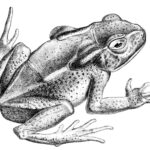
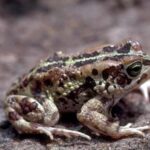
A first glance at Phrynoidis asper can startle the uninitiated observer—its rugged appearance and substantial size challenge typical notions of delicate rainforest creatures. Individuals can measure up to 20 centimeters, making them one of the largest true toads in the region. Their plump, rounded bodies, stout legs, and pronounced head exhibit unmistakable strength, adapted to life along powerful watercourses.
Camouflage and Wart-Laden Skin#
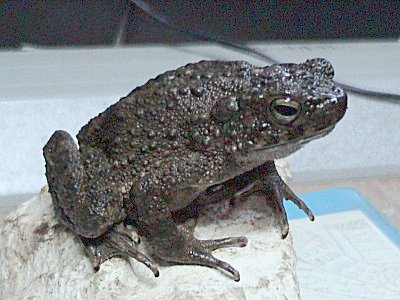
The species’ unique external texture warrants special attention. Their skin is covered with dense clusters of large, dark warts, each protecting glands secreting toxins that can deter potential predators. These warts, coupled with mottled patterns of dark brown, grey, olive, and rusty hues, provide exceptional camouflage against the textured backgrounds of streamside habitats.
Furthermore, their rough, moisture-retaining skin supports long periods out of water, allowing these amphibians to venture considerable distances from their home stream during rainy seasons, navigating their environment skillfully and seeking out new territories for colonization and breeding grounds.
Behavior and Life Cycle: A Life Cycle Defined by Rainfall Patterns#
Matching the rhythms of its rainforest environment, the life of Phrynoidis asper revolves intimately around seasonal rainfall and flooding regimes. Unlike brightly colored tree frogs whose loud nocturnal calls serenade rainforest nights, river toads possess softer, deeper croaking vocalizations, often heard echoing softly along riverbanks during the rainy season.
Feeding Strategies: Patient, Opportunistic Predators#
Sitting near swift-moving streams or hopping steadily along moist forest trails, the river toad employs an ambush strategy, waiting patiently for prey—small insects, spiders, millipedes, and occasionally small vertebrates—to draw near before striking swiftly with its sticky tongue. This patient foraging style enables them to take full advantage of abundant rainforest insect communities.
Breeding Habits: Streams as Nurseries#
As rainy seasons arrive, triggered by monsoon patterns typically spanning from November to April, river toads gather in greater numbers along favored streams for breeding. Males call softly, attracting females for spawning. Females, heavier and larger, deposit lengthy strings containing thousands of gelatinous eggs in safe, shallow edges of flowing water. Tadpoles hatch quickly, evolving rapidly to cope with stream currents and the challenges of predation and competition. These young tadpoles, well-adapted for life amidst flowing freshwater systems, feed vigorously on algae, detritus, and microscopic plankton, consuming valuable nutrients necessary for speedy development into terrestrial juveniles within weeks to months.
Ecological Role: A Key Player in Tropical Streams#
The presence of Phrynoidis asper within an ecosystem signals healthy water quality and balanced biological diversity. As both predator and prey, these toads play key roles by controlling insect populations, many of which could become pests if left unchecked. Additionally, these amphibians themselves constitute an important food source for native larger predators such as snakes, birds, and mammals, intricately linking the rainforest food web together from bottom to top.
Moreover, the sensitivity of amphibians to environmental changes means the river toad can act as a valuable biological indicator. Monitoring population health provides scientists and conservationists insight into broader ecological conditions, including early warning signs of environmental disturbances such as habitat degradation or chemical contamination.
Threats and Conservation Status: Guarding Against Decline#
Currently assessed by the IUCN Red List as Least Concern, Phrynoidis asper populations remain relatively stable across its range. However, escalating threats loom large on its horizon, primarily due to habitat destruction, pollution from agricultural runoff, logging, mining operations, and the broader menace of climate change.
Deforestation for palm oil plantations and urban expansion fragments its habitat, limiting connectivity essential for the species’ continued health. Water pollution—from pesticides, heavy metals, and domestic waste—can devastate tadpole and adult populations. Ensuring clean waterways and intact forests becomes critical, requiring continued monitoring, legislative protection of critical habitats, and community education for effective conservation outcomes.
Cultural and Scientific Significance: Unlocking the Hidden Potentials#
Beyond ecology, Phrynoidis asper occupies a unique space in traditional medicine and folklore throughout its range. Indigenous populations often revere its powerful toxins, carefully harvested and utilized in local remedies to treat various ailments or used symbolically to reflect strength and resilience.
Now, contemporary science explores these toxins with renewed excitement, revealing promising pharmacological potentials. Ongoing biomedical research investigates their possible uses as painkillers, antimicrobial agents, or even anticancer compounds, underscoring the immeasurable value encapsulated in preserving biodiversity.
Conclusion: Cherishing Southeast Asia’s Amphibious Treasure#
Phrynoidis asper, the rugged yet remarkable guardian of Southeast Asian streams, exemplifies the subtle wonders hidden within tropical rainforests. Preserving its habitat and appreciating its ecological and cultural value ensures the integrity and vibrancy of our shared natural heritage. We invite all nature lovers, conservationists, and curious minds alike to champion initiatives protecting these incredible amphibians—guardians of freshwater streams whose survival ultimately mirrors our planetary well-being.