Peltophryne taladai: Unveiling the Secret Life of Cuba’s Enigmatic Toad#
Imagine a warm tropical evening, thick with humidity. You find yourself navigating a verdant forest in eastern Cuba, guided only by the diffused glow of moonlight filtering gently through generous leaves overhead. A rhythmic chorus of nighttime creatures serenades you— katydids, crickets, and tropical birds fade into a backdrop as something else rises to prominence. A soft, melodious trill resonates from the forest floor, drawn-out and repeated, a hauntingly beautiful sound. That call belongs to none other than Peltophryne taladai, a unique and enigmatic amphibian often overlooked, yet intrinsically vital to its ecosystem.
Named scientifically as Peltophryne taladai, this fascinating amphibian embodies Cuba’s rich biodiversity. Relatively unknown compared to more charismatic wildlife, it nonetheless captivates researchers and nature enthusiasts with intriguing behaviors, distinctive morphology, and its subtle yet essential ecological roles. Let us delve deeply into the hidden world of this remarkable species, exploring its biology, behaviors, conservation status, and why preserving such creatures is vital to our collective Wild Earth heritage.
Taxonomy and Classification#
Peltophryne taladai is part of the Bufonidae family, frequently referred to as “true toads”. Within the genus Peltophryne, this species stands out among numerous toad species endemic exclusively to the Cuban archipelago. Its unique genetic profile and geographic isolation have facilitated distinct evolutionary pathways, making the species and its closest relatives highly valuable subjects in studies concerning evolutionary biology, island biogeography, and herpetology.
Described formally by Schwartz and Castellanos in 1970, Peltophryne taladai joins approximately thirteen other Cuban Peltophryne species, each characterized by unique adaptations, niche preferences, and ecological roles. Among its closest cousins are Peltophryne florentinoi and Peltophryne fustiger, all contributing to the unique biodiversity tapestry of this Caribbean island.
Natural Habitat#
Cuba’s rugged terrain, lush tropical forests, and a diverse array of microhabitats provide ideal conditions for mound-building termites, sprawling vines, vivid orchids, and a remarkable host of reptiles and amphibians. Within this ecological setting, Peltophryne taladai occupies specific localities in eastern Cuba. Found primarily in the mountainous regions of the Oriente province, the species inhabits lowland mesic forests regions, often near freshwater sources like gently flowing creeks, seasonal ponds, and humid canopies.
Adapted to balmy temperatures and humid microenvironments, this toad prefers the leafy forest understory, seeking refuge among leaf litter, decaying logs, rocks, and beneath herbaceous vegetation. Such habitats provide essential moisture that prevents dehydration—a continuous threat to amphibians—and offer adequate hiding spots against predators and intense sunlight exposure during warmer months.
This choice of dense coverage offers another advantage. The leafy litter and lush moss, overlaid by ancient tree branches and ferns, provide abundant opportunities for stalk-and-capture hunting strategies as prey species— primarily insects and arthropods— abound in these sheltered retreats.
Physical Characteristics#
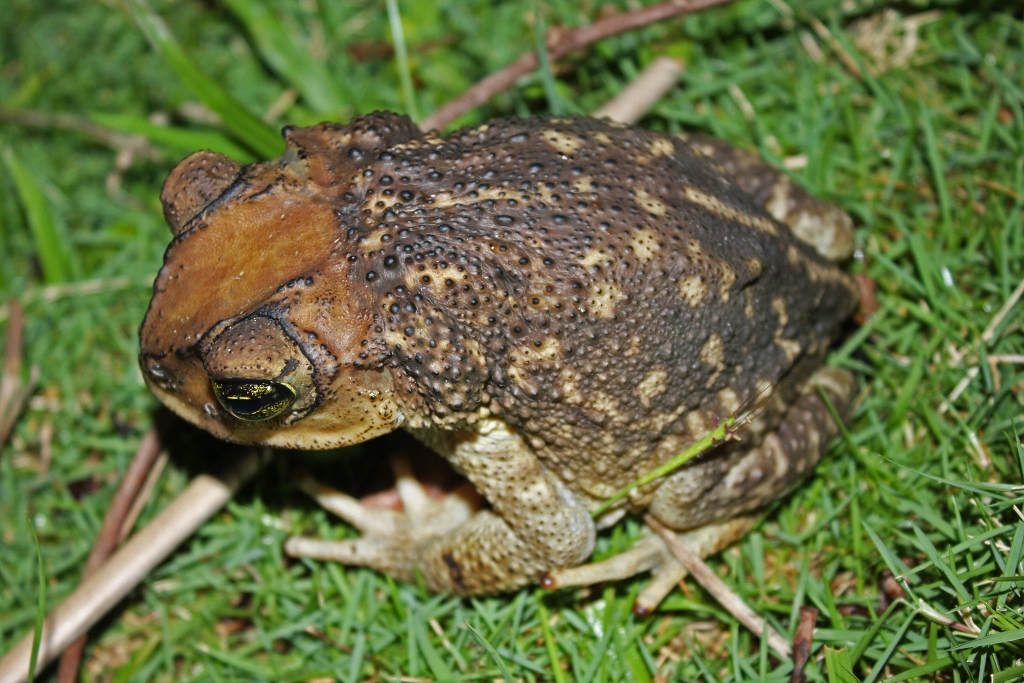
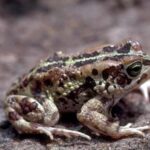
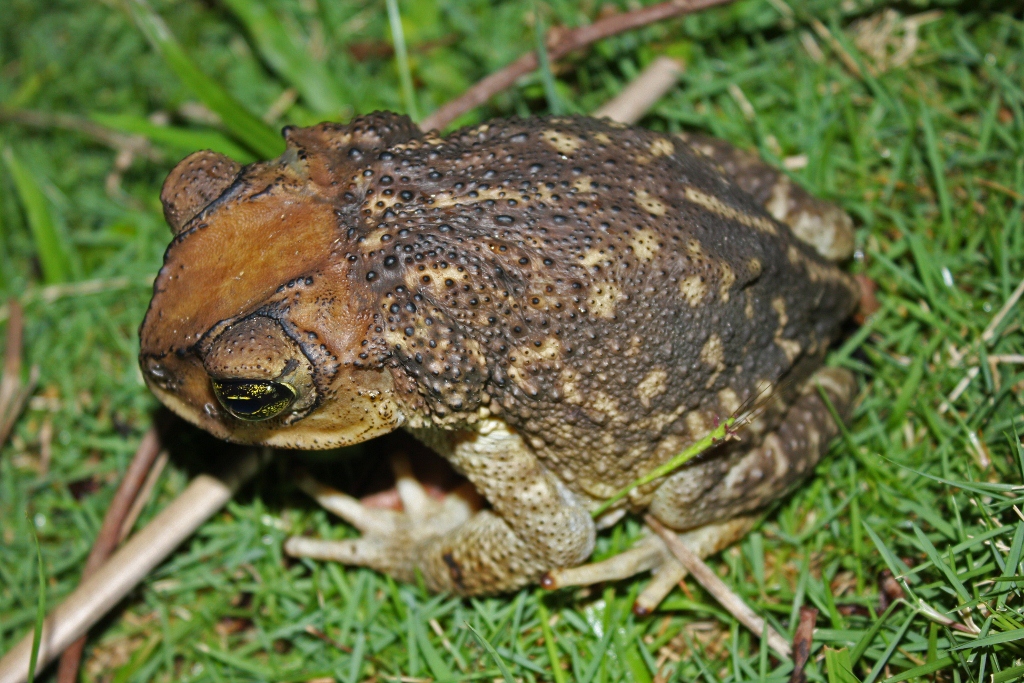
Like many amphibians adapted to forest life, Peltophryne taladai boasts impressive camouflage and subtle beauty. Adult individuals typically exhibit medium-sized bodies, ranging between 40 to 70 millimeters in length. Their dusky coloration, composed of varying shades of brown, olive, and gray, merges seamlessly with fallen leaves, moist bark, and forest floor detritus. Random dark blotches and flecks wander across their bodies, further disguising their smooth, granular skin in intricate patterns.
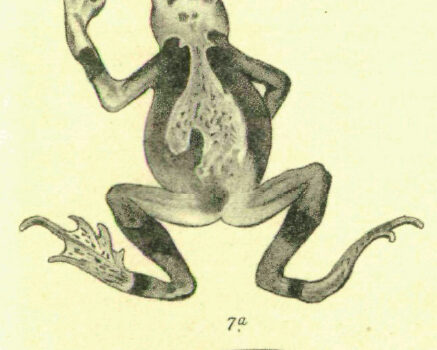
Notably, the skin texture of this species slightly varies over different body regions—smooth to moderately granular-toad-like surfaces adorn the dorsal region, while the ventral surfaces remain smoother and lighter in coloration, likely aiding in moisture retention in humid habitats.
Those attentive enough to closely examine a specimen may appreciate another defining feature—the parotoid glands prominently situated behind their golden to copper-hued eyes. These large, bean-shaped glands secrete mildly toxic substances as defense mechanisms to repel potential predators, a characteristic shared by various true toad species worldwide.
Behavior and Life Cycle#
Feeding and Hunting#
A nocturnal predator, Peltophryne taladai emerges from secluded hideaways as the forest darkness deepens. Guided by keen eyesight and remarkably sensitive senses detecting subtle vibrations, the toads hunt methodically, capturing food like insects, arachnids, worms, small mollusks, and occasionally larger prey such as centipedes. Their indiscriminate insect-eating behaviors greatly aid local ecosystems by regulating insect populations and preventing outbreaks of certain pests that threaten native plant vitality.
Mating Rituals and Reproduction#
Come rainy seasons, typically between April and June, these creatures unveil dramatic spectacles known as breeding aggregations. Males, driven by hormonal cues marking rainy season onset, gather in or near pools of water, enticed by a natural arena of potential reproductive success. This is where their distinctive vocal calls come into play, attracting receptive females drawn by their melodic trill.
After selecting partners, reproduction occurs externally. Females deposit egg masses in shallow, temporary pools or slow-moving water bodies. The gelatinous eggs soon develop into tadpoles, which thereafter embark on a perilous journey towards adulthood. After several weeks of growth and metamorphosis, juveniles venture bravely back into forest habitats, continuing the intriguing cycle of life for Peltophryne taladai.
Ecological Role#
While individually small, Peltophryne taladai plays disproportionately significant ecological roles within local habitats. Serving primarily as insect predators, they help control insect abundance, shaping herbivorous, carnivorous, and decomposer populations throughout multiple interconnected ecological cycles. Their position within numerous interrelated food webs positions them as essential prey for reptilian predators, larger amphibians, birds, and mammals— including endemic Cuban snakes, hawks, and endemic rodents.
The toad also serves as indicator species, sensitive to changes such as habitat degradation, pollution, climate fluctuations, and pathogens. Declines and disappearances in the species thus act as alarms indicating broader ecosystem health issues.
Threats and Conservation Status#
Despite its delicate relationship with nature, the existence of Peltophryne taladai faces mounting pressures threatening its survival. Habitat loss remains the most acute threat coinciding with urban sprawl, agricultural expansion, logging, and mining activities encroaching upon vital forested ecosystems. Fragmentation isolates already endemic species, reducing genetic variability, further increasing extinction risks.
Furthermore, unprecedented climatic shifts and shifting rainfall patterns create unpredictability in water availability crucial for breeding purposes. Pathogens such as chytrid fungus present additional grave threats globally affecting amphibian populations; thus far, updated data remain limited regarding this species’s susceptibility specifically.
Currently assessed as Vulnerable on the IUCN Red List, conservationists actively emphasize actions ranging from habitat protection to scientific monitoring and national park enhancements. Protecting forest habitats and water quality remain essential strategies, reinforcing awareness and support for holistic ecological protection encompassing the wider Cuban biodiversity context.
Cultural and Scientific Significance#
Beyond their ecological roles, Cuban amphibians like Peltophryne taladai flourish within local folklore and culture narratives. Amphibians symbolize fertility, rain, and purity within various indigenous traditions, indicative of critical ecological transitions and healthy lands.
Scientifically, research concerning amphibians’ defensive skin toxins has sparked major excitement, exploring potential medical applications in human health. Though mild in toxicity, secondary metabolites in Peltophryne taladai glands pique curiosity, fostering further investigation towards medicinal discovery.
Conclusion#
In unraveling the remarkable life of Peltophryne taladai, we gain insights into subtle yet profound intricacies connecting diverse ecosystems, human communities, and broader planetary health. As we foster appreciation for species often overshadowed by larger charismatic fauna, we enrich understanding about the vibrant ecological narratives awaiting discovery.
Advocating for harmonious interaction with nature vitalizes the message of conservation: the responsibility to preserve forests, safeguard habitats, and encourage exploration and research. We encourage readers to support organizations conserving biodiversity and invest personally in protecting amphibian-rich habitats, ensuring future generations embrace nature’s wondrous multilayered tapestry highlighted by unique creatures like Peltophryne taladai.