- Nectophrynoides paulae: Discovering Tanzania's Secretive Jewel of the Forest
- Taxonomy and Classification: A Unique Amphibian Puzzle
- Natural Habitat: Life in Tanzania's Cloud Forests
- Physical Characteristics: Small Package, Great Adaptations
- Behavior and Life Cycle: Remarkably Different Among Amphibians
- Ecological Role: Essential Yet Underappreciated Contributors to Biodiversity
- Threats and Conservation Status: A Call to Protect a Treasured Species
- Cultural and Scientific Significance: Unseen but Invaluable Treasures of Biodiversity
- Conclusion: Preserving a Tiny Amphibian Giant
Nectophrynoides paulae: Discovering Tanzania’s Secretive Jewel of the Forest#
Deep within the mist-laden mountain forests of Tanzania, tucked away amidst moss-covered trees and vibrant leaves, dwells a remarkable amphibian whose survival sparks fascination, intrigue, and a hint of conservation urgency. Nectophrynoides paulae, affectionately known by some researchers as Paula’s forest toad, embodies the delicate robustness of African cloud forest habitats—heartily adapted yet perilously vulnerable. Unlike many frogs and toads that follow traditional life cycles, this tiny amphibian demonstrates peculiar evolutionary adaptations that make it stand out among its peers. With vivid storytelling and scientific accuracy, let’s uncover the hidden life and ecological significance of this extraordinary species.
Taxonomy and Classification: A Unique Amphibian Puzzle#
Nectophrynoides paulae is classified within the family Bufonidae, famously known as the true toads. Although the term “true toad” typically conjures images of robust, wart-covered amphibians plodding along terrestrial terrain, the genus Nectophrynoides deviates marvelously from this traditional stereotype. Characterized specifically as an ovoviviparous toad—one which skips the aquatic tadpole stage altogether—Nectophrynoides paulae instead gives birth directly to live young, completely developed miniature versions of their parents, ready to confront the challenges of forest life.
This fascinating reproductive adaptation separates it significantly from other Bufonidae members, suggesting a fascinating evolutionary tale influenced heavily by its unique habitat. Closely related to other African viviparous toads such as Nectophrynoides asperginis (the Kihansi spray toad), this species offers illuminating insights into the pressures forests impose on amphibian development and parental care strategies.
Natural Habitat: Life in Tanzania’s Cloud Forests#
Nectophrynoides paulae finds solace and sanctuary in the moist, cool environments of the Ukaguru Mountains in eastern Tanzania. Here, shrouded by recognized biodiversity hotspots of dense tropical and subtropical montane forests, the species thrives in elevations primarily above 1,000 meters. The habitat is notably characterized by a relatively stable microclimate filled with constant humidity, abundant organic detritus, and dense leaf litter—all providing ample hiding spaces and prey availability for a diminutive creature dependent upon a steady micro-environment.
As the sun rises, casting fragmented golden beams through the thick canopy above, Nectophrynoides paulae awakens beneath matted leaf litter. Here, moisture clings persistently, creating perfect settings for the delicate, moisture-dependent skin these amphibians bear. The dense foliage and shadowy undergrowth offer exceptional camouflage—a necessity in a habitat bustling with insect prey, predators, and even competition from other forest-dwelling amphibians.
Such highly specialized habitat needs mean that even small-scale disturbances, such as deforestation and habitat fragmentation, can severely impact population numbers—an unfortunate reality standing starkly against their idyllic forest homes.
Physical Characteristics: Small Package, Great Adaptations#
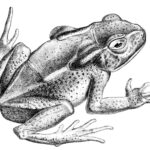
No bigger than two centimeters in length, Nectophrynoides paulae exemplifies the phrase “small but mighty.” Its minuscule stature houses remarkable adaptability, perfectly engineered by evolution to thrive under specific environmental realities.
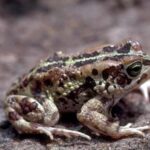
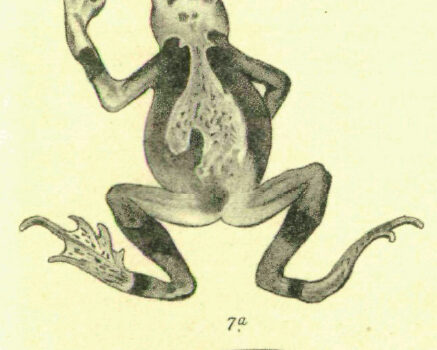
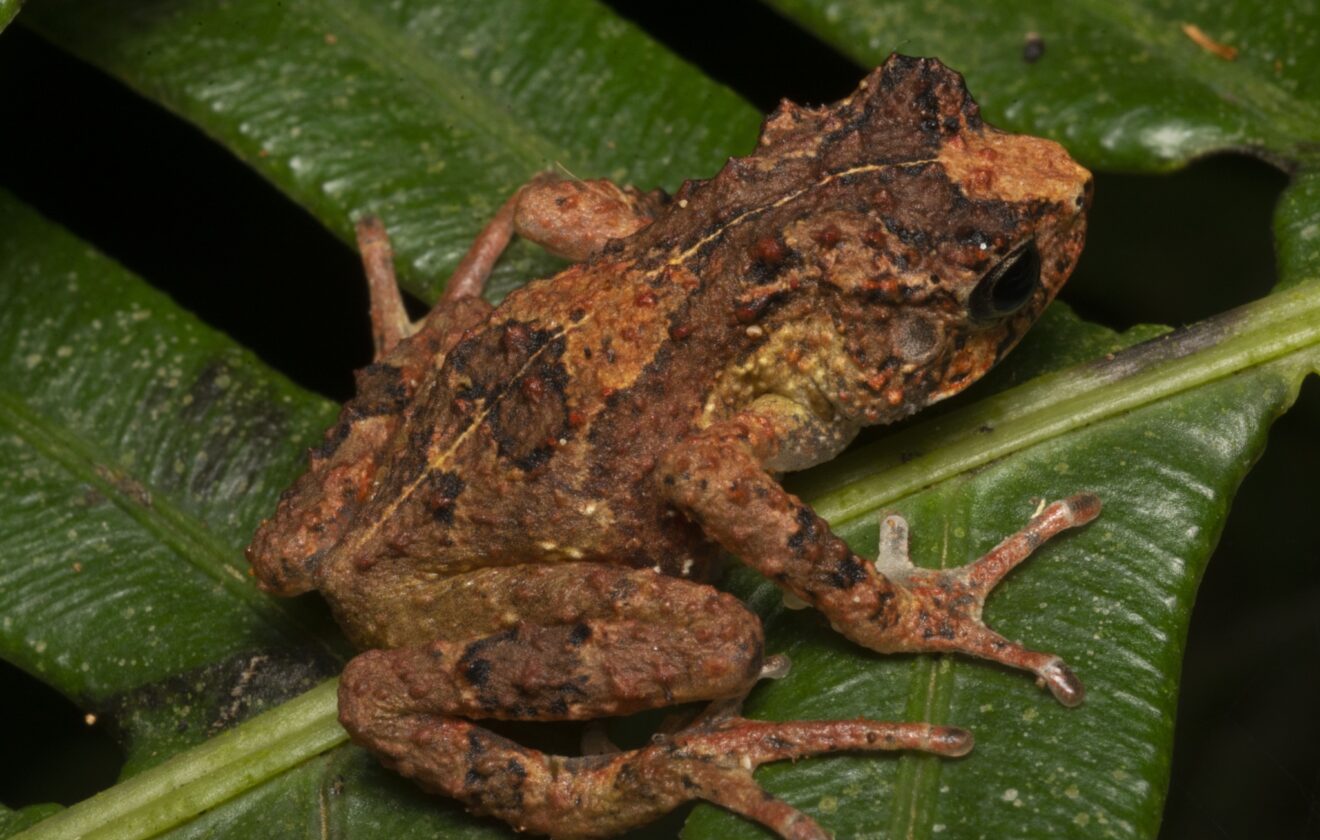
Aesthetically, this secretly beautiful toad exhibits various earthy hues, ranging from subtle browns, rich mossy greens, to mottled grays and occasional flecks of gold—a perfect camouflage strategy for blending seamlessly among decaying leaves and moist soil. Its texture plays a crucial role, too; soft, slightly bumpy skin decorated lightly with warts seamlessly integrates with its surrounding vegetation.
It’s remarkable how evolution shaped their diminutive limbs for agile navigation within the moist, tricky terrain of montane forest floors. Their toes, delicate yet muscular, skillfully negotiate leaves, branches, and mossy surfaces to track and capture prey with stealth and finesse.
Behavior and Life Cycle: Remarkably Different Among Amphibians#
Feeding Behavior: Ambush and Precision in a Tiny Predator#
Masters of ambush predation, these miniature toads capitalize efficiently on the bounty provided by their environment. Nectophrynoides paulae patiently sits motionless, blending seamlessly into its surroundings until unsuspecting prey—primarily consisting of tiny crawling insects, mites, and minute arthropods—wanders close enough. At the perfect moment, the toad launches forward, snatching its meal with remarkable speed and tongue precision before quickly retreating back into cover.
Reproductive Behavior: Skipping the Tadpole Stage#
Perhaps one of the most fascinating elements of the Nectophrynoides genus is their completely terrestrial reproductive strategy. Rather than laying eggs in water, Nectophrynoides paulae exhibits ovoviviparity. Females internally fertilize and incubate their embryos, later giving birth to fully developed, miniaturized replicas of themselves. Each offspring emerges fully capable of independent living—impressively born capable of hunting and hiding minutes after birth. This remarkable adaptation offers significant survival advantages, bypassing vulnerable aquatic life stages that predation or temporal aquatic habitat availability might otherwise drastically limit.
Ecological Role: Essential Yet Underappreciated Contributors to Biodiversity#
Often overlooked in broader ecological discussions, these small amphibians profoundly influence their habitats as indicators of ecosystem health and stability. As predators, they control insect and arthropod populations, directly impacting plant health and soil nutrient recycling. Conversely, as prey, they form a critical food source within broader food webs, nourishing birds, snakes, and larger amphibian predators.
Due to the sensitivity of their permeable skin, Nectophrynoides paulae serves as a crucial indicator species signaling environmental disruptions. The mere presence or absence of these toads provides invaluable information to ecologists and conservationists about the overall health of their forests, cautioning subtle yet threatening ecological shifts long before they become overtly noticeable.
Threats and Conservation Status: A Call to Protect a Treasured Species#
Sadly, with their specialized habitats and limited range, Nectophrynoides paulae faces numerous threats. Habitat alteration—primarily due to expanding agriculture, logging, and associated deforestation—poses significant risks. Climate change increasingly threatens these montane habitats, altering moisture patterns and microclimates vital for the species’ reproduction and survival.
The International Union for Conservation of Nature (IUCN) currently classifies Nectophrynoides paulae as “Critically Endangered,” thus placing this remarkable creature on the grim precipice of possible extinction if decisive conservation action is not swiftly enacted. Thankfully, local awareness initiatives, habitat protection measures, and conservation bodies are stepping forward; however, much remains urgently needed to ensure long-term protection.
Cultural and Scientific Significance: Unseen but Invaluable Treasures of Biodiversity#
While culturally quiet and inconspicuous, Nectophrynoides paulae contributes significantly to our broader understanding of evolutionary biology, reproductive strategies, and amphibian adaptations. Scientific research on such species provides essential data that can be applied widely in biodiversity conservation, climate change studies, and even potential biomedical discoveries—amphibians famously harbor unique biochemical compounds with significant medical implications.
Moreover, their plight reminds humankind of our interconnectedness and responsibilities to nature, urging balanced lifestyles and environmental stewardship as inheritors of Earth’s astonishingly rich biodiversity.
Conclusion: Preserving a Tiny Amphibian Giant#
Paula’s forest toad, Nectophrynoides paulae, embodies a miraculous evolutionary journey, flourishing against immense odds in a unique habitat. This tiny creature’s very existence offers profound ecological lessons, underscores conservation urgency, and represents the boundless diversity awaiting discovery within every delicate woodland. To sustain the Ukaguru Mountains’ dazzling beauty and diversity, and protect the amphibian diversity they cradle, we must advocate passionately for conscientious conservation.
We invite you, inspired reader and nature enthusiast, to lend your voice, awareness, and support to conservation efforts protecting Nectophrynoides paulae and the fragile forests it inhabits. Only together can we ensure the enduring chorus of life within Tanzania’s mist-covered mountains remains harmonious and rich for future generations to embrace and love.