Nectophrynoides minutus: The Secret World of Tanzania’s Tiny Jewel#
Hidden beneath the lush canopy of the Tanzanian rainforests, a tiny amphibious marvel dwells unseen by most—Nectophrynoides minutus. Commonly known as the Minute Tree Toad, this intriguing species, scientifically classified as Nectophrynoides minutus, represents nature’s ability to flourish even in the most challenging micro-habitats. Measuring just a few millimeters, it ranks among the world’s smallest frogs, a fact that contrasts immensely with the pivotal ecological role it plays.
Perhaps the most astonishing attribute of N. minutus isn’t its minuscule size, but its extraordinary reproductive method. Unlike most amphibians, which require water to breed, this fascinating creature gives birth to fully formed little froglets—a process known as vivipary. This remarkable adaptation eliminates the vulnerable aquatic tadpole stage, creating a compelling survival strategy in an environment where standing water is rare and predators are plentiful.
Taxonomy and Classification#
Nectophrynoides minutus belongs to the Bufonidae family, commonly recognized as the “true toads.” Within this family, it occupies a unique niche, falling under the genus Nectophrynoides. This genus is particularly noteworthy—members exhibit fascinating reproductive traits, such as vivipary or ovovivipary, demonstrating fascinating evolutionary adaptations to their environments.
Closely related species include Nectophrynoides asperginis, the Kihansi Spray Toad, an amphibian renowned for its story of near extinction and successful captive breeding recovery. Like its relatives, N. minutus exhibits intriguing behaviors and adaptations that shape its classification and earn it focused attention from conservationists and biologists alike.
Natural Habitat#
Geographical Range#
Nectophrynoides minutus is endemic to the Eastern Arc Mountains of Tanzania, notably inhabiting the moist montane forests. Often shrouded in mist, these ancient forests are crucial biodiversity hotspots, sheltering not just N. minutus but also countless other rare and endemic species.
Preferred Micro-habitats#
Within these lush, verdant ecosystems, N. minutus favors leaf litter and moss-covered rocks located on the forest floor. The thick layer of decomposing plant material provides a moist habitat that suitably accommodates its delicate, moisture-dependent skin. The microclimate—consistently damp, shaded, and cool—is vital to this amphibian’s survival, allowing it to thrive away from traditional water-based breeding necessities.
Here, nestled amidst the tangled roots and fallen leaves, the tiny toad’s camouflage blends seamlessly with its environment. This subtle yet remarkable adaptation renders it virtually invisible to predators and unsuspecting prey, demonstrating evolution’s elegant interplay between survival and aesthetics.
Physical Characteristics#
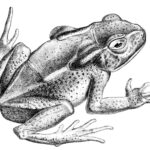
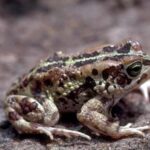
Upon first glance, Nectophrynoides minutus appears unassuming—its diminutive size barely surpasses a centimeter, with adult females slightly larger than males. Closer observation, however, reveals an exquisite tapestry of coloration faithfully mimicking its intricate surroundings. Earthy hues ranging from coppery browns and muted greens to subtle beige markings allow these frogs to disappear effortlessly into the forest floor.
The skin, slightly granular in texture, serves more than just aesthetic purposes—it’s essential for moisture absorption and respiration. Large, bulging eyes positioned atop its head grant N. minutus superior peripheral vision, aiding in navigation around the dense forest debris and pinpointing tiny prey items among the shadows.
The limbs of this miniature toad are slender yet surprisingly agile, enabling nimble leaps and precise movements through dense vegetation—a crucial adaptation to escape predators and effectively hunt minute prey like ants, mites, and small insects.
Behavior and Life Cycle#
Unique Reproductive Strategy#
One of the most fascinating aspects of Nectophrynoides minutus lies in its extraordinary reproductive strategy: vivipary. Unlike typical frogs who lay eggs in aquatic environments, females of this species give birth directly to fully developed froglets. This adaptation totally bypasses the vulnerable aquatic tadpole phase, offering protective advantages crucial in habitats with sporadic access to standing water.
Females may carry several tiny offspring simultaneously, nurturing them internally and ensuring their safety until birth. Upon delivery, these newborn froglets immediately disperse into the forest floored habitat, independent and capable of survival right from the start.
Feeding and Predatory Behavior#
Nectophrynoides minutus occupies a specialized niche as an ambush predator. Primarily nocturnal, it ventures forth at night when temperatures drop and humidity rises. Using stealth tactics aided by its effective camouflage, it waits patiently for small invertebrates, capturing prey items swiftly using its sticky tongue before returning to its hidden daytime refuge.
Social Behaviors and Communication#
Despite their small stature, male Minute Tree Toads exhibit vocal behavior during breeding periods. Their calls, emitted softly and discreetly, are designed to attract females without alerting potential predators. Territoriality may occur, albeit subtly; confrontations typically consist of subdued vocalizations and mild pushing between rival males, rarely escalating into more aggressive actions.
Ecological Role#
Though diminutive, the Minute Tree Toad exerts an influential ecological presence. By preying on insects and other small arthropods, Nectophrynoides minutus contributes significantly to forest ecosystem balance, controlling invertebrate populations, and thus cascading positively through the entire food web.
Conversely, this tiny toad occupies the lower tiers of the food chain as prey. Its small size attracts predators such as birds, reptiles, and larger amphibians, situating it squarely within a delicate ecological equilibrium maintaining biodiversity and ecosystem stability.
Additionally, as sensitive indicators of environmental health, amphibians like N. minutus represent early-warning systems alerting conservationists of changes impacting its fragile habitat, acting as barometers signaling ecological integrity or distress.
Threats and Conservation Status#
Habitat Loss and Fragmentation#
Unsustainable agriculture, illegal logging practices, and human settlements increasingly encroach upon the Tanzanian montane forests housing Nectophrynoides minutus. Such habitat destruction continues to fragment these once-continuous ecosystems, significantly threatening this species’ long-term viability.
Climate Change and Disease#
Increasing global temperatures coupled with prolonged drought periods pose tangible threats to the moisture-dependent micro-habitat on which the Minute Tree Toad utterly depends. Additionally, the spread of chytridiomycosis—a devastating fungal disease affecting amphibians globally—further compounds environmental pressures confronting this tiny frog.
IUCN Red List Status and Current Conservation Measures#
The IUCN currently classifies Nectophrynoides minutus as Vulnerable due to its limited range and declining populations. Recognition of its unique biological and ecological importance has spurred conservation initiatives aimed at preserving critical habitats, promoting sustainable land-use practices, and raising global awareness about the species and ecosystems at stake.
Cultural and Scientific Significance#
While Nectophrynoides minutus may lack direct cultural symbolism, its intrinsic value as a Tanzanian endemic species enhances national pride in biodiversity conservation. Scientifically, its unique reproductive system and ecological adaptability make it a critical subject of amphibian research. Understanding the intricacies of its reproduction, physiology, and habitat preferences provides insight into evolutionary biology and ecosystem dynamics, contributing valuable knowledge toward broader scientific conservation objectives.
Conclusion: Celebrating and Safeguarding a Forest Jewel#
Nectophrynoides minutus, though minute in size, offers monumental insights into evolutionary survival, ecological balance, and biodiversity conservation. Its unique adaptations to its montane forest home highlight nature’s remarkable inventiveness in responding to ecological constraints.
Preservation of its habitat and broader ecosystems protects not only N. minutus but the countless other species sharing these mist-covered woodlands. Through informed advocacy, science-driven conservation strategies, and continued awareness, we can ensure that future generations have the opportunity to marvel at this tiny Tanzanian jewel. It’s our collective responsibility and privilege to steward these small wonders, safeguarding them—and our planetary heritage—for years to come.